Uncovering the tax culture in Malaysia: Why do you have to pay taxes almost everywhere?
For foreigners who have just arrived in Malaysia, the ubiquity of taxes may bring some confusion and surprise. Whether it is eating, taking a taxi, nightclub entertainment, or even renting a house, the seemingly ubiquitous taxes make people sigh, “Why are there taxes everywhere here?” This article will take you to an in-depth understanding of Malaysia’s unique tax system and culture, explain the meaning and role behind these taxes, and help you better adapt to and understand the economic mechanism of this diverse society.
Various types of consumption taxes: from restaurants to “hidden” charges on bills
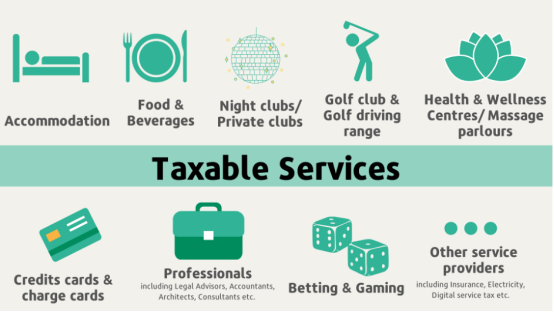
In Malaysia, the most common consumption tax is the Sales and Service Tax (SST), which is generally 6%. This tax is mainly imposed on service industries such as catering, hotels, entertainment and telecommunications.
For example, when you eat at a restaurant, a 6% service tax will be shown on the bill. If you order alcoholic drinks, you may also see additional domestic alcohol taxes or import tariffs, which are designed to regulate consumption and protect local industries.
Many newcomers are confused as to why there is a discrepancy between the bill amount and the actual payment amount. For example, a mobile phone recharge of 50 ringgits may only result in 47 ringgits being credited to the account. This is actually because the relevant service tax or handling fee has been deducted. Understanding this can help avoid misunderstandings caused by opaque bills.
It is worth mentioning that Malaysia’s SST replaced the previous Goods and Services Tax (GST) in 2018, and the tax rate and scope of collection have been adjusted. This adjustment reflects the government’s flexible response in tax policy, trying to balance fiscal revenue and people’s burden.
High tax rates for nightclubs and entertainment industries: Why is there an 18% tax?

The tax rate of the entertainment industry in Malaysia is relatively high, and nightclubs, bars and other entertainment venues are often subject to an 18% consumption tax. This is mainly because the government uses taxation to control certain high or luxury consumption, and it is also an important source of public fiscal revenue.
High tax rates undoubtedly increase the cost of entertainment for consumers, but from the government’s perspective, this helps regulate consumer behavior, encourage rational consumption and maintain social order. Similar tax strategies exist in many countries, such as some states in the United States that impose special taxes on alcoholic beverages to control drinking problems.
In addition, these taxes are also used to support social welfare projects, such as alcohol abstinence propaganda, public safety maintenance, etc., thereby improving the social environment from a macro level.
Is there a tax on renting a house? The existence of stamp duty and its impact

In addition to consumption tax, Malaysia’s housing rental market also involves tax issues, mainly stamp duty. Stamp duty refers to a tax levied by the government when signing a lease contract, which is usually borne by the landlord.
However, in reality, many landlords will pass this cost on to tenants, so tenants actually bear the tax burden. If tenants do not understand this in advance, it is easy to have unexpected consequences on their rental budget.
The purpose of stamp duty is to ensure the legitimacy of housing transactions and prevent tax evasion and illegal transactions. This tax is applied all over the world, for example, the United Kingdom, Australia and Canada all have similar tax systems.
When signing a lease, tenants should carefully review the terms of the contract to clarify who is responsible for the taxes and fees to avoid subsequent disputes. In addition, understanding local laws and regulations will help protect your own rights and interests.
Taxation is not only a fiscal tool, but also the key to social governance.
Malaysia’s tax system is mainly indirect tax, covering all aspects of social life through sales and service tax, consumption tax, stamp duty, etc. This design not only ensures the stability of the country’s finances, but also promotes the orderly operation of society.
Tax revenue is used to build public services, such as education, health care, and infrastructure, and to maintain economic balance among multiple groups in society. At the same time, some taxes can guide consumer behavior, such as imposing higher taxes on alcohol, which can encourage some people to reduce overconsumption.
These tax policies reflect the government’s efforts to balance the interests of different groups and promote healthy economic development in a multicultural society. Through reasonable taxation, the government can allocate resources more effectively and achieve social equity and sustainable development.
Cross-cultural adaptation: How to view the tax culture in Malaysia?
Foreigners who have just arrived in Malaysia may feel that the tax burden is heavy, or even mistakenly believe that the tax is too harsh. But in fact, this pervasive tax structure is an important means for this multi-ethnic and multicultural country to maintain public services and social stability.
Understanding the logic and role behind taxation can help you better plan your personal life and budget and reduce misunderstandings caused by cultural differences. In addition, you can better integrate into the local society and understand the unique model of Malaysia’s economic operation.
As a foreigner, adapting to this tax culture also means looking at daily expenses more rationally, learning to take advantage of legal tax incentives, and optimizing personal financial arrangements.
Tax comparison with other countries: Is Malaysia’s tax burden too heavy?
From a global perspective, indirect taxation is a common fiscal measure in many countries. For example, the sales tax in the United States varies from state to state, generally ranging from 5% to 10%, but some commodities such as alcohol and tobacco have higher taxes.
In European countries such as France and Germany, the value-added tax (VAT) is generally around 20% and covers a wide range. Compared with these countries, Malaysia’s 6% sales and service tax is actually at a medium level.
Higher tax rates on entertainment and alcohol are also international practice, but the specific values vary according to culture and policy. Rental stamp duty is also common in countries such as the United Kingdom and Australia.
Therefore, Malaysia’s tax system is not particularly harsh, but is in line with the economic needs of a developing country and a diverse society.
What do you think of Malaysia’s tax culture?
Taxation is the cornerstone of national governance and economic development, but frequent taxes and fees can be a burden for individuals. Do you think it is reasonable to impose indirect taxes as widely as Malaysia? Or which tax model do you prefer? Feel free to share your views and experiences in the comments section.
Malaysia’s tax culture may seem complicated on the surface, but it is actually a microcosm of a country’s multiculturalism, economic balance and social governance. Understanding these taxes and fees not only makes life smoother, but also helps us gain insight into the public policies and social operating mechanisms of different countries around the world.