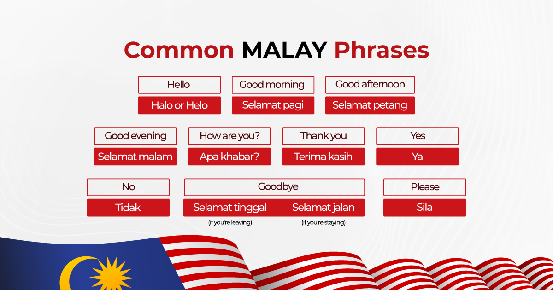
The magic of multilingualism among Malaysian Chinese: the charm and reality of language mixing
In the era of globalization, language proficiency has become one of the important indicators of personal competitiveness. In Malaysia, especially in the Malaysian Chinese community, this language diversity and flexible switching ability has almost reached an amazing level. Some people may misunderstand this multilingual mix as “deliberate”, but in fact, this phenomenon reflects the real living conditions and cultural wisdom of a multi-ethnic country.
A natural phenomenon in a multilingual environment: Why are Malaysian Chinese “linguistically mixed”?
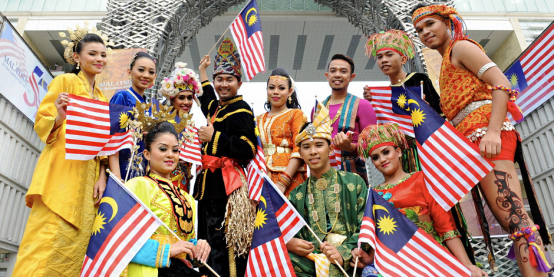
Malaysia is a typical multicultural country, with official languages including Malay, English, various Chinese dialects such as Cantonese and Minnan, and other minority languages such as Tamil. Growing up in such a complex language environment, Malaysian Chinese have naturally been exposed to and used at least three to four languages and dialects since childhood.
For example, a Malaysian Chinese child may master:
Standard Chinese (Mandarin)
English
Malay
Dialects such as Cantonese or Hokkien
This multilingual ability is not the result of deliberate learning, but the inevitable product of the living environment. Language is no longer an isolated system, but a flexible, mixed and seamlessly switched communication tool.
This multilingual ability allows Malaysian Chinese to easily adapt to various social occasions and switch languages quickly. They can communicate with their families in dialect, and communicate with other ethnic groups in English at school or in the workplace, truly reflecting the advantages of a multicultural society.
Language mixing is not “pretending”, but a true reflection of life
People sometimes misunderstand that Malaysian Chinese speak multiple languages to “look cool” or “show off”. But a closer look reveals that this is a natural reflection of daily life and social needs.
For example:
Chat with Chinese friends in Mandarin or Cantonese;
I communicate with my Malay friends in Malay.
Switch to English when meeting colleagues from different ethnic groups at school or in the workplace;
Sometimes, I naturally express myself in dialect at home or among friends.
This language switching is fast and easy, and can be called a real-life “automatic translator.” Compared to mechanically reciting words in a single language environment, the brains of Malaysian Chinese can flexibly jump between multiple language systems, and their language sensitivity is extremely high.
This phenomenon is not only a communication skill, but also a manifestation of identity, highlighting the mutual respect and cultural integration in a multi-ethnic society. Multilingualism breaks down language boundaries and promotes understanding and interaction between different cultures.
The cognitive advantages and challenges behind multilingual switching
Linguistic research shows that mastering multiple languages can significantly improve the brain’s executive functions, such as attention switching, problem solving, and multitasking. The daily language environment of Malaysian Chinese provides a natural scenario for them to exercise these cognitive abilities.
However, this language mixing also brings certain challenges:
The purity of language is often questioned, and in the traditional context it is believed that inclusion will affect the language norms;
Sometimes you need to switch to pure English or pure Chinese in formal occasions, and those who are used to mixing the two need to make deliberate adjustments;
The younger generation may encounter difficulties in language inheritance, and the frequency of dialect use may decrease.
Despite this, Malaysia’s linguistic diversity remains an important asset to society, enhancing cultural confidence and national integration.
Education and social status in a multilingual environment
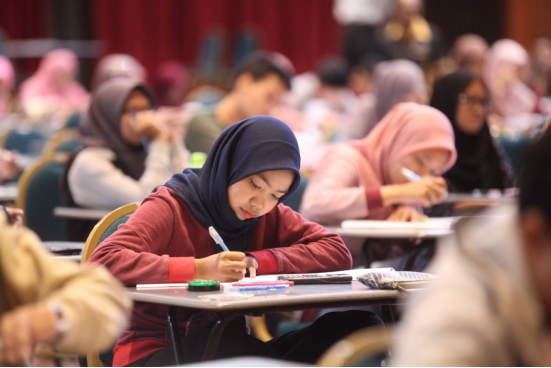
Malaysia’s education system also reflects this multilingual reality. Most schools teach Malay and English, and Chinese schools also teach standard Mandarin and dialect courses. In society, language has become an important symbol of ethnic identity and has also influenced career choices and social circles.
In the workplace, multilingual skills are an advantage. For example:
In multinational companies, fluency in English and local languages facilitates communication;
In the local market, knowing the languages of multiple ethnic groups can open up more business opportunities;
In social situations, the connections made through different languages are deeper.
Therefore, the diversity of Malaysian Chinese languages is not only a cultural heritage, but also an important skill in real life.
The delicate balance between language mixing and cultural identity
The multilingual phenomenon in Malaysia also reveals the complexity of cultural identity. Through the choice and mixing of languages, people express their dual identity with their ethnic group and country.
“Mandarin mixed with Malay” or “English mixed with Cantonese” is not only a fusion of languages, but also a fusion of cultures. It conveys a sense of multiple identities: “I am both Chinese and Malaysian.”
At the same time, with the development of modern society and the impact of globalization, the use of traditional dialects is facing certain pressure. Many young people prefer to use standard Mandarin and English, resulting in the gradual weakening of dialect inheritance. How to protect and inherit these precious language cultures is the focus of Malaysian society and academia.
Linguistic diversity from a global perspective
Malaysia’s language mix is not an isolated case. Many multi-ethnic countries in the world have similar phenomena:
Indonesia and the Philippines also have rich native languages mixed with Indonesian and English;
Switzerland’s multilingual environment allows people to switch between German, French and Italian with ease;
Canada’s bilingual society of English and French also has similar linguistic interweaving.
The experience of these countries shows that multilingualism is a natural result of the development of social diversity and a manifestation of cultural vitality.
In the context of globalization, language diversity has become a soft power that promotes communication and cooperation among different cultures.
What do you think of the phenomenon of multilingualism?
A multilingual environment brings convenience, but it also tests language purity and educational inheritance. Have you ever encountered a similar phenomenon of language mixing? Do you think it is the charm of culture or a communication challenge? Feel free to share your views in the comments section.