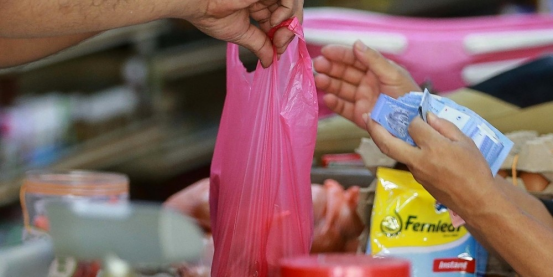
Malaysia’s plastic bag beverage culture: the “hardcore” charm of plastic bag beverages
In many countries, beverage packaging is rich and varied, ranging from glass bottles, plastic cups to paper boxes, but Malaysia has a unique and surprising way of packaging beverages – packaging beverages in plastic bags. For tourists or foreigners who have just arrived in Malaysia, this “plastic bag beverage” culture is often surprising, and they may even question whether it is safe or convenient to package beverages in this way. In fact, behind this seemingly “simple and crude” packaging method, there are rich cultural connotations and practical wisdom. This article will take you to a deeper understanding of the origin, cultural significance and reasons for the widespread popularity of plastic bag beverages in Malaysia.
Drinks in plastic bags: Malaysia’s unique art of packaging
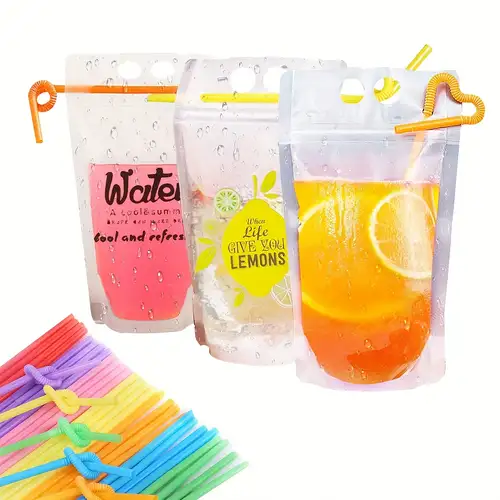
The plastic bag packaging of drinks on the streets of Malaysia usually involves putting the drinks into a transparent plastic bag, sealing it with a string, rubber band or plastic buckle, and finally inserting a straw. This combination of “plastic bag + string + straw” makes the drinks easy to carry and drink, and has become a unique landscape on the streets of Malaysia.
Whether it is coffee, juice, sugarcane juice, or the local traditional sweet soup, almost all can be packed in plastic bags. Especially in Malaysia’s fast-paced urban life, many locals are used to drinking while walking. Plastic bag drinks are light and leak-proof. The drink bags can even be tied into a knot and put into the bag at any time, which reflects a strong spirit of pragmatism.
In fact, beverages in plastic bags are not unique to Malaysia. They are common in many Southeast Asian countries, but Malaysia’s street culture has taken it to the extreme, making it an important representative of local food culture.
Why use plastic bags? A combination of convenience, economics and cultural factors
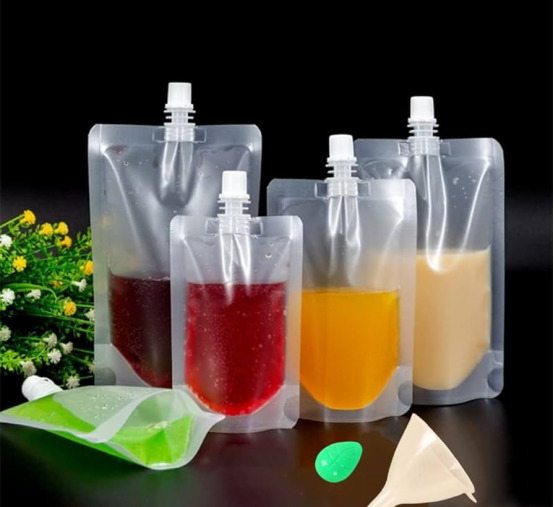
Plastic bags for drinks may seem simple, but they combine a variety of economic, convenience and cultural factors:
Economical and Affordable
Plastic bags are much cheaper than cups or bottles, and are the best choice for saving packaging costs for affordable street drinks. Especially for street vendors, low-cost packaging is directly related to profits and selling prices, making beverages more affordable.
Convenient to carry
The pace of street life in Malaysia is fast, and many people choose to drink while walking. Plastic bag beverages are light and well sealed, which greatly reduces the risk of beverage spillage and is convenient for customers to carry and drink.
Reduce the burden of cleaning.
Compared with reusable cups, plastic bags are disposable items, which eliminates the trouble of cleaning and meets the fast-paced and high-turnover needs of street food.
Cultural inheritance and adaptation
Although this packaging method is simple, it has become an integral part of Malaysia’s street food culture, reflecting the creativity of local people in making life convenient. It is not only a practical tool, but also an expression of local culture, demonstrating the wisdom of adapting to the environment.
Various options for plastic bag beverages in Malaysia
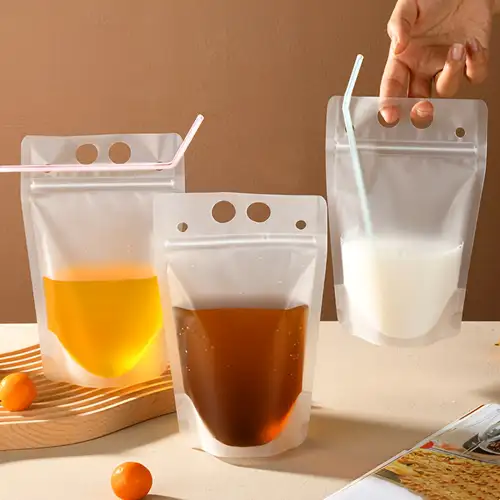
Plastic bagged beverages are widely used in Malaysia for a variety of beverages, the following are particularly classic:
White Coffee
Malaysian white coffee is known for its rich and smooth taste. After being packed in a plastic bag, just insert a straw and you can enjoy this street classic at any time.
Sugarcane Juice
Freshly squeezed sugarcane juice is sweet and refreshing, and is loved by locals and tourists. Plastic bag packaging is not only convenient to carry, but also ensures freshness and taste, which is especially popular in hot weather.
Corn Drink
Sweet and natural corn drink is another drink that is suitable for plastic bag packaging, making it convenient for customers to drink on the go.
In addition, various fruit juices, traditional sweet soups and teas are also packaged in plastic bags, fully reflecting the diverse street beverage culture.
Plastic bag drinks in life: not only drinks, but also a lifestyle
In Malaysia, plastic bag drinks are not only a packaging method, but also a manifestation of life culture. The way street vendors put drinks into plastic bags has become one of the symbols of daily life in the city. Many locals are used to drinking while walking, and plastic bag drinks are convenient and fast, becoming synonymous with “drink fast food” on the street.
For example, at street corner food stalls, customers are often seen holding coffee or juice in plastic bags, eating local delicacies while drinking beverages, which is full of life. Some stalls even provide beverages in plastic buckets with a plastic bag on top, so that customers can drink while walking and enjoy the pleasure of quenching their thirst at any time.
This lifestyle of enjoying drinks anytime and anywhere reflects Malaysians’ pursuit of convenience and efficiency, and also makes plastic bag drinks the intersection of culture and life.
Environmental Challenge: Sustainable Development of Plastic Bag Beverages
Although plastic bags are convenient and economical, as global environmental awareness increases, the use of plastic bags has caused serious environmental concerns. Disposable plastic bags are difficult to degrade in the environment, leading to increased pressure on waste disposal and increasingly prominent problems such as marine pollution.
In recent years, the Malaysian government and environmental organizations have begun to implement policies to reduce the use of plastic bags and encourage the use of degradable materials and reusable containers. Some cities and businesses have tried to use environmentally friendly bags, degradable plastics or promote customers to bring their own cups to try to reduce the generation of plastic waste.
However, as a part of Malaysian culture, the transformation of plastic bag beverages requires time and balance, considering both environmental protection and local living convenience and economic benefits. How to preserve cultural characteristics while protecting the environment has become an important issue that Malaysia needs to explore in the future.
Comparison of similar beverage packaging culture in other countries
Plastic bag beverages are not unique to Southeast Asia. Other parts of the world also have unique beverage packaging cultures. For example:
Vietnam are often packaged in plastic bags, similar to Malaysia, but with different drink characteristics.
in the Philippines are often sold in plastic bags or cups for easy takeaway.
In some Latin American countries, street drinks are sometimes packaged in plastic bags and come with straws to meet the demand for quick street drinking.
In contrast, the United States and most European countries pay more attention to disposable environmentally friendly packaging or reusable containers, and beverages are mostly packaged in bottles or cups, reflecting the impact of different cultures and environmental policies on packaging.
Cultural tolerance and innovation: the social significance behind beverages in plastic bags
As a unique cultural phenomenon, plastic bag beverages reflect the multicultural integration and life wisdom of Malaysian society. It reflects that people create solutions that suit their own pace of life and needs under limited resources and environment.
The popularity of this culture also demonstrates the power of social inclusiveness and adaptability, allowing for a balance between tradition and modernity, convenience and environmental protection. Plastic bag drinks are the epitome of Malaysia’s “hardcore” life wisdom, and also a response to the fast pace of urban life.
What do you think of the plastic bag beverage culture?
Are plastic bag drinks a unique cultural expression, or should they be replaced by more environmentally friendly packaging methods? Have you ever encountered similar beverage packaging methods while traveling? Or is there any special beverage packaging culture in your city? Feel free to share your views and experiences in the comments section.
Plastic bag drinks may seem simple, but behind them is a vivid reflection of the wisdom and cultural characteristics of Malaysian life. It makes us realize that the charm of culture is often hidden in the details of daily life. Understanding and appreciating these details is the best way for us to explore the diversity of the world.