Ultimate Guide to Germany’s Most Iconic Historical Landmarks
Germany is a country steeped in a complex and profound history, a land where every stone seems to tell a story. From the soaring spires of Gothic cathedrals to the stoic gates that have witnessed centuries of change, Germany’s landmarks are not merely tourist attractions; they are tangible links to its past. This guide will take you on a comprehensive journey through the nation’s most significant historical and architectural treasures, exploring the stories of emperors, merchants, artists, and ordinary people that have shaped this central European powerhouse. We will delve into the details of magnificent structures, wander through perfectly preserved medieval towns, and trace the legacy of powerful alliances that once dominated the continent.
Whether you are an architecture enthusiast, a history buff, or a traveler seeking to understand the soul of a nation, Germany’s iconic sites offer a rich and rewarding experience. Prepare to explore symbols of unity and reconciliation, masterpieces of human ingenuity, and landscapes that have inspired legends for a thousand years.
Architectural Marvels and National Symbols
Certain structures in Germany transcend their physical form to become powerful symbols of the nation’s identity, resilience, and artistic genius. These landmarks represent pivotal moments in history, from the height of religious devotion in the Middle Ages to the struggles and triumphs of the 20th century.
Cologne Cathedral: The Pinnacle of Gothic Grandeur
The Kölner Dom, or Cologne Cathedral, is an undeniable masterpiece of High Gothic architecture and a testament to centuries of faith and perseverance. Its construction began in 1248 but was not completed until 1880, a staggering period of more than 600 years. For a brief period upon its completion, its twin spires, soaring to 157 meters (515 feet), made it the tallest structure in the world. Today, it remains a UNESCO World Heritage site and Germany’s most visited landmark. The cathedral’s primary purpose was to house the sacred relics of the Three Magi, the Shrine of the Three Kings, which made it one of Europe’s most important pilgrimage sites. Miraculously, the cathedral withstood the Allied bombing of World War II, suffering 14 direct hits but remaining standing while the rest of the city was flattened—a symbol of endurance in the face of utter destruction.
Brandenburg Gate: A Witness to German History
Located in the heart of Berlin, the Brandenburg Gate (Brandenburger Tor) is arguably Germany’s most iconic symbol. Commissioned by King Frederick William II of Prussia as a monument to peace, this neoclassical triumphal arch was completed in 1791. It is crowned by the magnificent Quadriga, a sculpture of a chariot drawn by four horses, driven by Victoria, the Roman goddess of victory. Throughout its existence, the gate has been the backdrop for Germany’s tumultuous history. It was used by Napoleon for a victory procession, co-opted by the Nazis for propaganda, and tragically became a symbol of division during the Cold War when it stood in isolation at the border of East and West Berlin. Its reopening on December 22, 1989, marked the emotional climax of the fall of the Berlin Wall and cemented its status as a powerful symbol of German reunification and freedom.
Dresden Frauenkirche: A Phoenix of Peace and Reconstruction
The Dresden Frauenkirche (Church of Our Lady) is a world-renowned symbol of reconciliation and rebirth. This stunning example of Protestant Baroque architecture, with its distinctive high dome, once dominated the Dresden skyline. However, on February 13, 1945, the church was utterly destroyed during the firebombing of the city in World War II. For 50 years, its ruins were left as a war memorial. After German reunification, a campaign to rebuild the Frauenkirche began, funded by donations from around the world. Using original plans and salvaging thousands of original stones, architects and craftsmen painstakingly reconstructed the church. It was reconsecrated in 2005, standing once again not just as a beautiful place of worship, but as a poignant monument to the healing of historical wounds and international friendship.

UNESCO World Heritage Cities and Districts
Beyond individual monuments, Germany is home to entire urban areas and unique districts recognized by UNESCO for their outstanding universal value. These sites offer a holistic glimpse into specific historical eras, from the maritime power of the Hanseatic League to the cultural enlightenment of the Prussian kings.
Hamburg’s Speicherstadt: The World’s Largest Warehouse District
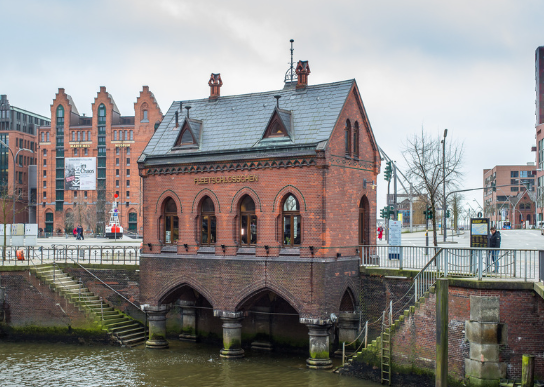
The Speicherstadt in Hamburg, a UNESCO World Heritage site since 2015, is the largest contiguous warehouse district in the world built on oak-pile foundations. Constructed between 1883 and the late 1920s, this architectural ensemble is characterized by its stunning red-brick Gothic Revival buildings, intricate gables, and a network of canals (known as Fleete) and bridges. It was created as a free port to store goods like coffee, tea, spices, and carpets without paying customs. Today, while some warehouses still function, the district has transformed into a vibrant cultural hub, housing museums like the Miniatur Wunderland and the German Customs Museum, alongside cafes, galleries, and creative agencies. It represents a unique blend of industrial history and modern urban renewal.
Old Town of Lübeck: Queen of the Hanseatic League
The entire island-bound Old Town of Lübeck is a UNESCO World Heritage site, celebrated as a pristine example of a northern European trading city from the Hanseatic period. For centuries, Lübeck was the capital and “Queen City” of the Hanseatic League, a powerful commercial and defensive confederation of merchant guilds and market towns. Its skyline is famously defined by seven church spires, and its streets are a maze of medieval brick buildings. The most famous landmark is the Holsten Gate (Holstentor), a massive twin-towered city gate that has become a symbol of the city’s proud, independent past. Lübeck is also famous for its marzipan, a sweet treat whose history is intertwined with the city’s trading legacy.
Berlin’s Museum Island: A Sanctuary of Art and Culture
A unique ensemble of five world-class museums on an island in the Spree River, Berlin’s Museum Island (Museumsinsel) is a UNESCO World Heritage site that traces the development of museum design and collections over a century. The project was conceived by King Frederick William IV of Prussia as a “sanctuary for art and science.” The five museums are:
- Altes Museum (Old Museum): Home to a collection of classical antiquities.
- Neues Museum (New Museum): Famously houses the iconic bust of Nefertiti.
- Alte Nationalgalerie (Old National Gallery): Displays a rich collection of 19th-century art.
- Bode Museum: Showcases sculpture and Byzantine art.
- Pergamon Museum: Features monumental structures like the Pergamon Altar and the Ishtar Gate of Babylon.
Heavily damaged in World War II, the island has undergone extensive restoration, symbolizing the reunification of the city’s cultural heritage.

Journey Through Time: Medieval Towns and Legendary Landscapes
Germany’s history is not just confined to its major cities. Across the country, perfectly preserved towns and legendary river valleys offer a portal back in time, immersing visitors in the worlds of medieval knights, fairytale settings, and ancient myths.
Rothenburg ob der Tauber: A Living Medieval Fairytale
Situated along Germany’s famous Romantic Road, Rothenburg ob der Tauber is the country’s best-preserved walled medieval town. Walking through its cobblestone streets is like stepping into a storybook. Visitors can walk along the complete medieval town walls, which offer fantastic views of the town and the surrounding Tauber Valley. Key sights include the Plönlein, a picturesque fork in the road with a charming half-timbered house, and the Market Square with its impressive Town Hall (Rathaus). A unique experience is the Night Watchman’s Tour, where a guide in historical garb leads visitors through the darkened streets, sharing tales of the town’s past. Rothenburg’s charm lies in its authenticity, offering a complete and immersive medieval experience.
The Romantic Rhine: A Thousand Years of Castles and Legends
The Upper Middle Rhine Valley, a 65-kilometer stretch between Bingen and Koblenz, is a UNESCO World Heritage site renowned for its breathtaking concentration of historic castles and fortresses. For centuries, this part of the Rhine was a major trade route, and powerful nobles built castles on the hilltops to control commerce and exact tolls. Today, over 40 castles and palaces dot the landscape, some in ruins and others fully restored. This region is also steeped in folklore, most famously the legend of the Lorelei, a beautiful siren who lured sailors to their doom on a treacherous rock. The best way to experience the Romantic Rhine is by river cruise, which offers unparalleled views of the castles, steep vineyards, and charming riverside towns.

Exploring the Hanseatic Heritage of Northern Germany
The history of Northern Germany is inextricably linked to the sea and the powerful Hanseatic League. This medieval trading alliance brought immense wealth and influence to the port cities along the North and Baltic Seas, leaving behind a unique architectural and cultural legacy that can still be explored today.
The Legacy of the Hanseatic League
The Hanseatic League was a federation of merchant guilds and their market towns that dominated trade in Northern Europe from the 13th to the 17th centuries. It established its own legal systems, furnished its own protection, and operated as a unified economic and political force. The wealth generated from this trade is reflected in the magnificent brick Gothic (Backsteingotik) architecture found throughout the region. Grand churches, impressive town halls, and ornate merchants’ houses were built to showcase the cities’ power and prosperity. Cities like Lübeck, Hamburg, Bremen, Rostock, Stralsund, and Wismar were key players, and their historic centers still bear the hallmarks of this golden age.
Must-Visit Hanseatic Towns
While Lübeck is considered the “Queen,” other Hanseatic towns offer a deep dive into this maritime history.
- Stralsund: A UNESCO World Heritage site (along with Wismar), Stralsund boasts a stunning market square (Alter Markt) with the formidable St. Nicholas’ Church and the striking Gothic Town Hall.
- Wismar: Also a UNESCO site, Wismar features one of Europe’s largest market squares and is a showcase of Brick Gothic design.
- Bremen: This city-state’s market square is another UNESCO gem, featuring the magnificent Town Hall and the Roland statue, a symbol of civic liberty, as well as the famous statue of the Town Musicians of Bremen from the Brothers Grimm fairytale.
Exploring these towns offers a cohesive understanding of the economic and cultural forces that shaped not just Northern Germany, but much of Northern Europe.

Planning Your Historical Tour of Germany
A journey through Germany’s historical landmarks requires some planning to make the most of the experience. The country’s excellent infrastructure makes it easy to connect these diverse sites into a single, cohesive itinerary.
Best Time to Visit
The best time to visit most of these landmarks is during the shoulder seasons (spring and autumn). From April to June and September to October, the weather is generally pleasant, and the crowds are smaller than in the peak summer months of July and August. Winter can be magical, especially in towns like Rothenburg with its famous Christmas market, but be prepared for cold weather and shorter daylight hours.
Transportation Tips
Germany’s public transportation system is one of the best in the world. The Deutsche Bahn (DB) rail network efficiently connects all major cities and many smaller towns. For a trip focused on these landmarks, a German Rail Pass can be a cost-effective and flexible option. For exploring regions like the Romantic Road or the Rhine Valley, renting a car provides the most freedom to stop at smaller villages and viewpoints. River cruises are a popular and relaxing way to see the Rhine castles.
Creating a Themed Itinerary
To deepen your experience, consider creating a themed trip.
- A UNESCO World Heritage Tour: Connect sites like Cologne Cathedral, the Rhine Valley, Lübeck, and Berlin’s Museum Island.
- A Medieval Germany Tour: Focus on Rothenburg ob der Tauber and the many castles along the Rhine and other regions.
- A Hanseatic League Route: Explore the northern cities of Hamburg, Lübeck, Bremen, and Stralsund to trace the history of maritime trade.
- A Tour of German Reunification: Center your trip in Berlin, focusing on the Brandenburg Gate, remnants of the Berlin Wall, and sites related to Cold War history.
Germany’s historical landmarks offer more than just a glimpse into the past; they provide a profound understanding of the events and ideas that have shaped the modern world. Each site, from the smallest medieval town to the grandest cathedral, contributes a unique chapter to this rich and ongoing story.
Frequently Asked Questions (FAQ)
- What is the Hanseatic League and why is it important in Northern Germany?
- The Hanseatic League was a powerful commercial and defensive confederation of merchant guilds and market towns in Northern Europe, flourishing from the 13th to 17th centuries. It was immensely important for Northern Germany as it brought incredible wealth and political influence to port cities like Lübeck, Hamburg, and Bremen. This legacy is visible today in the distinctive Brick Gothic architecture and the proud, independent character of these cities.
- Which German landmark is the best symbol of reunification?
- The Brandenburg Gate in Berlin is universally considered the most powerful symbol of German reunification. During the Cold War, it was located in an exclusion zone next to the Berlin Wall, representing the painful division of the country. The images of people celebrating on and around the gate when it reopened in December 1989 are iconic, cementing its status as a monument to peace, freedom, and unity.
- Are most of these historical sites easily accessible for tourists?
- Yes, Germany has an excellent infrastructure that makes its major historical sites very accessible. Landmarks in large cities like Cologne Cathedral and Berlin’s Museum Island are easily reached by public transport. The German train system (Deutsche Bahn) connects most towns and cities efficiently. While some castles or more remote sites might require a car or a local bus, the overall accessibility for tourists is extremely high.
- What is the best way to see the castles along the Rhine River?
- While you can drive or take a train along the river, the most popular and scenic way to experience the castles of the Romantic Rhine is by taking a river cruise. Companies offer a range of options, from short sightseeing trips between towns like Rüdesheim and St. Goar to multi-day cruises. A boat trip provides the best vantage points for photography and allows for a relaxing journey through the UNESCO World Heritage landscape.
- How did Cologne Cathedral survive World War II?
- The survival of Cologne Cathedral is a subject of much discussion. While the city around it was devastated by Allied bombing, the cathedral remained standing despite sustaining 14 direct hits. Historians believe there are several reasons for this. Firstly, its massive twin spires served as an easily recognizable navigational landmark for bomber pilots, who may have been ordered to avoid destroying it. Secondly, its incredibly robust Gothic construction, with flying buttresses and a strong stone frame, allowed it to withstand damage that would have leveled lesser buildings.