The Ultimate Germany Travel Guide: BMW Museum, Berlin Zoo, and Oktoberfest
Unveiling Germany’s Cultural and Engineering Masterpieces
Germany is a nation where cutting-edge technological innovation seamlessly intersects with deep-rooted historical traditions and a profound respect for the natural world. For the discerning traveler, understanding the multifaceted identity of this European powerhouse requires looking beyond the surface and immersing oneself in its most iconic institutions and celebrations. This comprehensive guide synthesizes three distinct yet equally vital pillars of German tourism: the industrial artistry of the BMW Museum, the ecological sanctuary of the Berlin Zoological Garden, and the unparalleled cultural phenomenon of Oktoberfest.
By exploring these three diverse destinations, visitors can experience the full spectrum of German excellence. The meticulous precision of Bavarian motor engineering reflects the country’s industrial backbone, while the sprawling, historic enclosures of the capital’s premier zoo highlight a commitment to global biodiversity and family-oriented education. Meanwhile, the vibrant, beer-soaked tents of Theresienwiese during the autumn months offer a masterclass in communal joy and regional pride. Together, these experiences forge a travel itinerary that is as intellectually stimulating as it is emotionally resonant.
The Triad of the German Experience
To truly appreciate the depth of what Germany has to offer, one must approach these destinations not merely as tourist stops, but as living museums of human endeavor and natural wonder. The architectural brilliance of modern Munich stands in fascinating contrast to the historic animal habitats of 19th-century Berlin, just as the quiet contemplation of a museum exhibit contrasts with the roaring folk songs of a festival tent. This dynamic interplay is what makes traveling through Germany an endlessly rewarding pursuit.
| Destination | Location | Core Theme | Ideal Duration | Best Time to Visit |
|---|---|---|---|---|
| BMW Museum | Munich, Bavaria | Automotive Engineering & Design | 3 to 4 Hours | Year-round |
| Berlin Zoo | Berlin | Wildlife Conservation & Family | Full Day | Spring to Early Autumn |
| Oktoberfest | Munich, Bavaria | Bavarian Culture & Festivity | 1 to 2 Days | Late September to October |
The table above outlines the foundational logistics for integrating these monumental experiences into a single, cohesive travel plan. Whether you are a solo backpacker passionate about mechanical design, a family seeking interactive wildlife encounters, or a group of friends eager to partake in the world’s largest Volksfest, meticulous planning is the key to unlocking the true value of these locations.

The BMW Museum: A Stage for Steel and Automotive Creativity
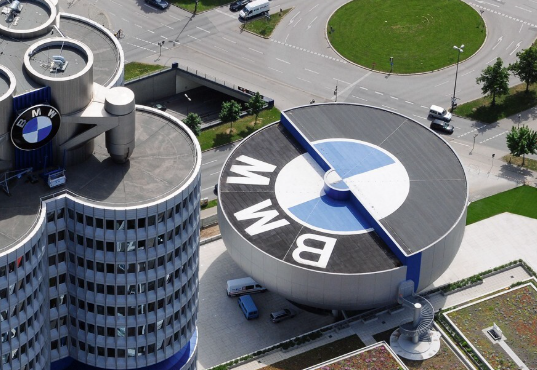
Located in the heart of Munich, adjacent to the sprawling Olympiapark, the BMW Museum stands as a monumental tribute to over a century of automotive excellence. Far from a static collection of vintage cars, this institution is a dynamic, multi-sensory stage where steel, glass, and digital innovation converge to tell the story of Bayerische Motoren Werke. The museum’s very architecture, affectionately known by locals as the “Salad Bowl” or “White Cauldron,” was designed by the visionary Viennese architect Karl Schwanzer in 1973. Its futuristic, circular design was intentionally crafted to symbolize the spinning wheel of a vehicle, immediately setting the tone for the kinetic energy contained within.
Upon entering the museum, visitors are guided along a spiraling ramp system that defies traditional museum layouts. This continuous pathway mimics the experience of driving along a sweeping highway, allowing guests to journey chronologically and thematically through the brand’s evolution. From the early days of manufacturing aircraft engines during the turbulent periods of the early 20th century to the creation of iconic motorcycles and luxury sedans, the museum leaves no stone unturned in its quest to document the relentless pursuit of engineering perfection.
Architectural Marvels and Spatial Design
The interior of the BMW Museum is a masterclass in spatial choreography. The exhibition spaces are divided into distinct “houses,” each dedicated to a specific facet of the brand’s identity, such as design, motorsport, and alternative powertrains. The seamless integration of multimedia presentations, dramatic lighting, and floating platforms creates an environment where the vehicles are elevated from mere machines to works of modern art. The meticulous curation ensures that every gleaming chrome bumper and aerodynamic curve is displayed to maximize its visual impact.
- The Kinetic Sculpture: A mesmerizing installation consisting of hundreds of suspended metal spheres that continuously morph into the iconic shapes of classic BMW models, representing the fluid nature of automotive design.
- The Tower of Motorcycles: A towering, multi-story glass display case housing a comprehensive lineage of BMW Motorrad, showcasing the brand’s dominance in two-wheeled engineering and racing history.
- The Vision Next 100 Exhibit: A forward-looking pavilion dedicated to the future of mobility, featuring concept cars that explore autonomous driving, artificial intelligence, and sustainable, zero-emission technologies.
These specific installations highlight the museum’s commitment to not just preserving the past, but actively engaging with the future. The Kinetic Sculpture, in particular, serves as a profound metaphor for the company’s philosophy: that true engineering is never static, but always in a state of calculated, beautiful motion. By surrounding these exhibits with deep historical context, the museum transforms a simple walk-through into a profound educational journey.

Inside the BMW Museum: Exhibits, Engineering, and Evolution
Delving deeper into the thematic houses of the BMW Museum, one discovers the intricate mechanical milestones that propelled the brand to global prominence. The museum does not shy away from the complex engineering principles that define its vehicles. Instead, it breaks them down into digestible, visually stunning displays that appeal to both seasoned gearheads and casual observers. The “House of Technology,” for instance, meticulously dissects the evolution of the internal combustion engine, from the legendary inline-six configurations to the modern, highly efficient twin-turbocharged powerplants.
A significant portion of the exhibition is dedicated to BMW’s illustrious motorsport heritage. The “House of Motorsport” is a visceral, adrenaline-fueled zone where the sights and sounds of the racetrack are brought to life. Here, visitors can stand inches away from legendary touring cars, Formula 1 machines, and endurance racers that have conquered the grueling circuits of Le Mans and the Nürburgring. The raw, unpolished aesthetic of these race-worn vehicles stands in stark contrast to the pristine luxury sedans, illustrating the dual nature of the brand’s DNA.
The Intersection of Art and Automobiles
Beyond pure mechanics, the BMW Museum places a heavy emphasis on the aesthetic and cultural impact of its vehicles. The renowned BMW Art Car Collection is frequently highlighted, demonstrating how the automobile can serve as a high-speed canvas for some of the world’s most celebrated contemporary artists, including Andy Warhol, Jeff Koons, and Alexander Calder. These vehicles blur the line between industrial design and fine art, challenging visitors to reconsider the cultural significance of the cars they drive.
Furthermore, the museum provides a transparent look into the meticulous design process itself. Through interactive clay modeling stations and digital drafting displays, guests gain an intimate understanding of the countless hours of human labor and creative iteration required to bring a single vehicle from a conceptual sketch to a production reality. This deep dive into the creative process fosters a profound appreciation for the human element behind the steel and carbon fiber, ensuring that the museum experience is as emotionally engaging as it is visually spectacular.

Berlin Zoological Garden: Zero Distance with Exotic Wildlife
Transitioning from the mechanical wonders of Munich to the lush, biological diversity of the capital, the Berlin Zoological Garden (Zoologischer Garten Berlin) offers a completely different, yet equally profound, travel experience. Opened in 1844, it holds the prestigious title of the oldest surviving zoo in Germany and remains one of the most respected zoological institutions in the world. Nestled within the verdant expanse of the Tiergarten, this 86-acre sanctuary provides a vital green lung for the bustling metropolis and serves as a premier destination for families, wildlife enthusiasts, and conservationists.
What truly sets the Berlin Zoo apart is its staggering statistical dominance in the realm of biodiversity. Housing over 20,000 individual animals representing approximately 1,200 distinct species, it boasts the most comprehensive collection of wildlife of any zoo on the planet. The philosophical approach of the zoo has evolved dramatically over its long history, shifting from a Victorian-era menagerie to a modern, scientifically driven institution focused on animal welfare, psychological enrichment, and the concept of “zero distance” immersive habitats that blur the boundaries between the observer and the observed.
Immersive Habitats and Architectural Heritage
The architectural landscape of the Berlin Zoo is a fascinating tapestry of historic, culturally themed enclosures and state-of-the-art, naturalistic environments. The iconic Elephant Gate (Elefantentor), built in 1899 with its intricate pagoda-style roofing and massive stone pachyderms, serves as a breathtaking introduction to the park’s historical grandeur. Once inside, the design philosophy prioritizes the creation of expansive, multi-species habitats that mimic the animals’ natural ecosystems as closely as possible.
- The Panda Garden: A multi-million-euro, custom-built habitat designed specifically for the zoo’s resident giant pandas. This state-of-the-art enclosure features extensive bamboo groves, climbing structures, and advanced climate control systems, reflecting the zoo’s critical role in international panda conservation breeding programs.
- The Hippo Bay: An astonishing feat of aquatic engineering that allows visitors to view hippopotamuses from both above and below the waterline. The massive, reinforced glass panels provide a rare, panoramic view of these aquatic giants moving with surprising grace beneath the surface.
- The World of Birds: One of the most modern aviaries in Europe, featuring free-flight zones where visitors can walk directly through lush, tropical vegetation while rare and exotic birds fly unimpeded overhead, truly embodying the “zero distance” philosophy.
These specialized zones are meticulously maintained by a dedicated team of zoologists, veterinarians, and keepers who ensure that the physical and psychological needs of the animals are met. The transition from traditional cages to these expansive, naturalistic environments not only dramatically improves the quality of life for the residents but also fosters a deeper sense of empathy and connection among the millions of visitors who walk through the gates each year.

Conservation and Education at the Berlin Zoo
The modern mandate of the Berlin Zoological Garden extends far beyond public exhibition; it is a global powerhouse in the fields of wildlife conservation and biological research. In an era marked by rapid habitat destruction and climate change, the zoo serves as a critical ark for endangered species. Through its active participation in the European Endangered Species Programmes (EEP) and various global initiatives, the institution plays a direct role in breeding and, when possible, reintroducing critically endangered animals back into their native habitats.
Education forms the second pillar of the zoo’s contemporary mission. The institution recognizes that fostering a connection between humans and animals is the most effective way to inspire a new generation of environmental stewards. To achieve this, the zoo employs a robust schedule of interactive educational programs, guided tours led by biological experts, and meticulously timed public feeding sessions. These feeding sessions are not merely spectacles; they are carefully narrated events where keepers explain the dietary habits, social structures, and conservation status of the animals, providing invaluable context to the viewing experience.
The Aquarium Berlin: A Deep Dive into Marine Life
No visit to the Berlin Zoo is complete without exploring the adjacent Aquarium Berlin, which can be accessed via a combined ticket. Housed in an impressive, historically significant building that survived the ravages of World War II, the three-story aquarium is a masterclass in aquatic and reptilian husbandry. It is widely considered one of the most comprehensive public aquariums in Europe.
The ground floor is dedicated to marine and freshwater fish, featuring massive, mesmerizing tanks that recreate vibrant coral reefs and murky Amazonian riverbeds. As visitors ascend, the focus shifts to the terrarium and insectarium levels, which house a staggering array of amphibians, reptiles, and invertebrates. The meticulous attention to environmental detail in these enclosures—from the precise regulation of humidity and temperature to the replication of specific soil compositions—highlights the institution’s unwavering commitment to creating optimal living conditions for even the most delicate and obscure species.

Oktoberfest: Tradition and Revelry in October
Returning to the southern state of Bavaria, we encounter a cultural phenomenon that requires no introduction yet demands deep exploration to be truly understood: Oktoberfest. Held annually on the sprawling Theresienwiese (Theresa’s Meadow) in Munich, this monumental event is universally recognized as the largest Volksfest (folk festival) in the world. Attracting upwards of six million visitors over a two-to-three-week period spanning late September and early October, Oktoberfest is a sensory explosion of traditional Bavarian music, towering amusement rides, and, of course, millions of liters of meticulously brewed beer.
However, dismissing Oktoberfest as merely a massive beer festival is a profound underestimation of its historical and cultural significance. The roots of the festival date back to October 12, 1810, when it was originally organized as a grand, city-wide celebration to honor the royal wedding of Crown Prince Ludwig (later King Ludwig I) and Princess Therese of Saxony-Hildburghausen. The citizens of Munich were invited to attend the festivities on the fields in front of the city gates, which were subsequently named Theresienwiese in honor of the Crown Princess. Over the intervening two centuries, the event has evolved, survived wars and pandemics, and expanded into the global symbol of German hospitality and heritage that it is today.
The Mechanics of the World’s Largest Festival
The sheer logistical scale of Oktoberfest is staggering. The construction of the festival grounds, often referred to as the “Wiesn,” begins months in advance. The core of the experience revolves around the massive, temporary beer tents (Festzelte) erected by Munich’s traditional “Big Six” breweries: Augustiner, Hacker-Pschorr, Hofbräu, Löwenbräu, Paulaner, and Spaten. These are not mere canvas structures; they are highly engineered, multi-story pavilions constructed from timber and steel, complete with elaborate interior decorations, massive central bandstands, and fully operational industrial kitchens capable of serving tens of thousands of guests daily.
- The Tapping of the First Keg: The festival officially commences with a highly ritualized ceremony in the Schottenhamel tent. The Mayor of Munich drives a wooden tap into the first keg of beer with a wooden mallet, famously declaring “O’zapft is!” (It is tapped!), officially granting permission for the beer to flow across the entire festival.
- The Reinheitsgebot (Purity Law): The beer served at Oktoberfest is not standard commercial lager. It is a specially brewed, slightly stronger Märzen or Festbier that strictly adheres to the historic 1516 Bavarian Purity Law, ensuring it is crafted using only water, malt, hops, and yeast.
- Traditional Attire (Tracht): The immersive atmosphere is heavily amplified by the fact that the vast majority of attendees—both locals and tourists—don traditional Bavarian clothing. Men proudly wear intricately embroidered Lederhosen, while women don vibrant, tightly laced Dirndls, creating a sea of color and tradition that honors the region’s agrarian past.
Understanding these foundational elements is crucial for anyone planning to attend. Oktoberfest is a celebration deeply governed by unwritten rules, local etiquette, and a profound respect for the brewing traditions that have sustained the Bavarian economy and culture for centuries.

The Ultimate Oktoberfest Experience: Tents, Tastes, and Tips
Navigating the sprawling grounds of the Wiesn can be an overwhelming experience for first-time visitors. With over a dozen massive main tents and numerous smaller, specialized venues, choosing where to spend your time requires strategic planning. Each tent possesses its own distinct personality, demographic, and atmosphere. For example, the Hofbräu-Festzelt is globally renowned for its raucous, international party atmosphere, drawing massive crowds of tourists. In contrast, the Augustiner-Festhalle is often favored by local Munich families and traditionalists, as it is the only remaining tent that still serves its beer from massive, traditional wooden barrels (Hirschen) rather than modern steel vats.
Beyond the beer, Oktoberfest is a culinary pilgrimage. The food served within the tents and at the countless outdoor stalls is hearty, traditional, and designed to sustain revelers through long hours of celebration. The air is thick with the scent of roasting meats and caramelized sugar, offering a true taste of rustic Bavarian cuisine.
A Culinary Journey Through the Wiesn
The gastronomic offerings at Oktoberfest are deeply rooted in regional agricultural traditions. While the legendary one-liter glass mug of beer (the Maß) is the undisputed centerpiece, it is the food that provides the necessary foundation for the festivities. Visitors must indulge in the iconic Hendl (half a roasted chicken), which is meticulously seasoned and spit-roasted to golden perfection. This is typically paired with a massive, salt-crusted Brezn (pretzel), which is essential for absorbing the alcohol and keeping energy levels high.
For those seeking more substantial fare, the Schweinshaxe (roasted pork knuckle) is a masterpiece of Bavarian cooking, featuring tender, slow-cooked meat encased in a layer of shatteringly crisp crackling. Vegetarians are not left out, with traditional dishes like Käsespätzle (a rich, cheesy egg noodle dish topped with crispy onions) readily available. Outside the tents, the pathways are lined with stalls selling Gebrannte Mandeln (roasted, sugar-coated almonds) and intricately decorated Lebkuchenherzen (gingerbread hearts), which are often worn around the neck as souvenirs rather than eaten.

Integrating Engineering, Nature, and Culture into Your Itinerary
Crafting a German travel itinerary that successfully incorporates the BMW Museum, the Berlin Zoo, and Oktoberfest requires a keen understanding of geography, timing, and transportation. Because Munich (home to both BMW and Oktoberfest) and Berlin are located at opposite ends of the country, travelers must utilize Germany’s highly efficient infrastructure to bridge the distance. The most effective method for traversing this gap is the Intercity-Express (ICE) high-speed train network, which can whisk passengers between the two cities in under four hours, providing a comfortable, scenic, and environmentally friendly alternative to domestic flights.
Timing is the most critical variable when planning this specific triad of experiences. Because Oktoberfest is a strictly time-bound event (occurring only in late September and the first few days of October), the entire trip must be anchored around this festival. Securing accommodation in Munich during the Wiesn requires booking many months, sometimes up to a year, in advance, as hotels across the region reach maximum capacity and prices surge dramatically.
Strategic Itinerary Planning
A highly recommended approach is to begin the journey in Berlin. Spending the first few days exploring the historical monuments of the capital and dedicating a full, unhurried day to the Berlin Zoological Garden and Aquarium allows travelers to ease into the German experience. The expansive, natural environments of the zoo provide a calming counterpoint to the jet lag and the bustling urban energy of the city.
Following the Berlin leg, a high-speed train journey south transports you into the heart of Bavaria. Upon arriving in Munich, dedicate your first full day to the BMW Museum and the adjacent BMW Welt (a stunning architectural showroom and delivery center). This allows you to appreciate the precision and quiet elegance of German engineering before diving into the sensory overload of the festival. Finally, allocate at least two days for Oktoberfest. This split allows you to experience the wild, energetic atmosphere of the tents during the evening, and the more relaxed, family-friendly vibe of the traditional rides and historical Oide Wiesn (Old Oktoberfest) during the daylight hours.

Essential Travel Advice and Frequently Asked Questions
To ensure that your journey through Germany’s most iconic engineering, zoological, and cultural landmarks is executed flawlessly, it is imperative to address the granular details of travel logistics. From understanding ticketing procedures at major museums to mastering the unwritten rules of beer tent etiquette, preparation is the ultimate