The Ultimate Guide to Germany’s Natural Wonders: Alps, Forests, and Pristine Lakes
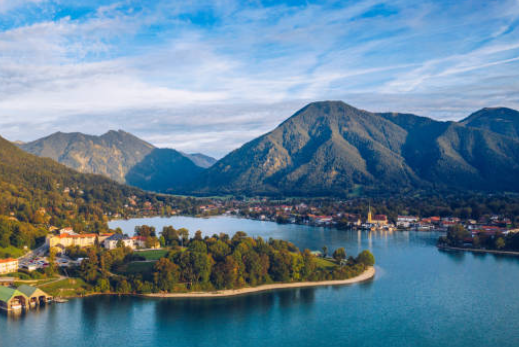
Lake Tegernsee: Reflections on the Water and the Alps
Nestled in the heart of the Bavarian Alps, Lake Tegernsee represents the absolute pinnacle of serene alpine retreats. This magnificent body of water is not merely a destination; it is a profound sensory experience where the majestic, snow-capped peaks of the Alps reflect flawlessly upon the glass-like surface of the lake. Long favored by Bavarian royalty and modern-day slow travelers alike, Tegernsee seamlessly blends untouched natural beauty with refined local culture, offering a sanctuary for those looking to escape the frantic pace of urban life.
The Philosophy of Slow Travel at Tegernsee
Unlike highly commercialized tourist hotspots, Lake Tegernsee thrives on the philosophy of slow travel. Here, the emphasis is placed on deep immersion rather than rushing through a checklist of sights. Visitors are encouraged to absorb the environment through mindful observation and unhurried exploration. The lakeside promenades, shaded by ancient chestnut trees, invite long, contemplative walks where the only sounds are the gentle lapping of water and the distant chiming of church bells.
- Mindful Sailing and Boating: Renting a traditional wooden rowboat or a quiet electric boat allows you to glide across the pristine waters without disrupting the natural acoustic harmony of the valley. The absence of noisy motorboats preserves the lake’s tranquil atmosphere.
- Lakeside Gastronomy: The region is famous for its culinary excellence, deeply rooted in local agriculture. Enjoying a freshly caught whitefish (Renke) paired with a locally brewed Tegernseer Hell beer at a traditional biergarten is an essential cultural immersion.
- Wellness and Rejuvenation: The lake is surrounded by world-class spa facilities that utilize local thermal waters and alpine herbs, providing holistic healing experiences that synchronize the body with the natural rhythms of the Alps.

Saxon Switzerland National Park: A Creative Journey on Foot
Moving away from the southern alpine borders, eastern Germany harbors a landscape so dramatic and surreal that it has inspired generations of Romantic painters and poets. Saxon Switzerland National Park, located near Dresden, is a geological masterpiece defined by its towering sandstone pinnacles, deep gorges, and the meandering Elbe River. This region is a testament to the raw, sculptural power of nature over millions of years.
The Bastei Bridge: Engineering Meets Natural Wonder
The crown jewel of Saxon Switzerland is undoubtedly the Bastei Bridge (Basteibrücke). Originally constructed from wood in 1824 and later replaced by the iconic stone structure in 1851, the bridge spans a plunging gorge, seamlessly integrating human engineering with the jagged sandstone monoliths. Walking across the Bastei Bridge at sunrise, as the mist rolls through the Elbe valley below, is an ethereal experience that transports visitors straight into a Caspar David Friedrich painting.
Hiking the Malerweg (Painter’s Way)
For those seeking an immersive creative journey, the Malerweg is one of Europe’s most spectacular hiking trails. Stretching over 112 kilometers, this historic route follows the exact paths taken by 19th-century artists seeking inspiration.
- Schrammsteine Formations: A highly recommended section of the trail involves navigating the Schrammsteine, a highly fragmented, labyrinthine group of rocks. The ascent requires climbing steep ladders and squeezing through narrow crevices, rewarding hikers with unparalleled panoramic views.
- Kuhstall (Cow Stall): The second-largest natural rock arch in the Elbe Sandstone Mountains offers a glimpse into local folklore, where peasants supposedly hid their cattle during the Thirty Years’ War.
- Artistic Inspiration: The trail is punctuated by designated viewpoints where artists historically set up their easels. Modern photographers and writers will find these same vantage points equally stimulating for creative work.

A Symphony of Snow and Lakes: The Bavarian Alps
The Bavarian Alps stretch across Germany’s southern frontier like a protective, jagged wall, creating a spectacular symphony of snow-draped peaks, deep emerald valleys, and crystalline alpine lakes. This region is the ultimate playground for nature enthusiasts, offering a diverse array of ecosystems and microclimates that shift dramatically with the changing altitudes. The Alps here are not just a geographical feature; they are the cultural bedrock of Bavaria.
Seasonal Transformations and Alpine Ecology
The beauty of the Bavarian Alps lies in their dramatic seasonal metamorphoses. In the winter, the landscape is blanketed in thick, powdery snow, transforming villages into idyllic winter wonderlands and providing world-class conditions for cross-country skiing and snowshoeing. As spring arrives, the snowmelt feeds the cascading waterfalls and alpine streams, leading to an explosion of wildflowers in the high-altitude meadows (Almen). Summer brings crystal-clear visibility for high-ridge hiking, while autumn sets the deciduous forests ablaze with vibrant hues of gold and crimson.
Hidden Valleys and Traditional Heritage
Beyond the well-trodden paths, the true magic of the Bavarian Alps is found in its hidden valleys. Places like the Leutasch Gorge or the remote corners of the Ammergau Alps preserve ancient ways of life.
- Lüftlmalerei: Many alpine villages are adorned with Lüftlmalerei, traditional Bavarian frescoes painted directly onto the facades of homes, depicting biblical scenes, local legends, and intricate floral motifs.
- Alpine Farming (Almwirtschaft): During the summer, local farmers drive their cattle up to the high pastures. Visitors can hike to these remote mountain huts to sample homemade mountain cheese, freshly churned butter, and hearty dark bread.

Conquer Germany’s Peak: The Majestic Zugspitze
Standing at a formidable 2,962 meters (9,718 feet) above sea level, the Zugspitze is the highest mountain in Germany. Straddling the border between Germany and Austria, this colossal peak offers an unparalleled alpine experience. Conquering the Zugspitze is a rite of passage for many, but thanks to remarkable feats of modern engineering, the summit is accessible to both hardcore mountaineers and casual sightseers.
Ascent Strategies: Engineering Marvels
Reaching the summit of the Zugspitze is an adventure in itself, offering multiple routes that cater to different preferences and physical abilities. The infrastructure facilitating this ascent is a testament to German engineering prowess.
- The Bayerische Zugspitzbahn (Cogwheel Train): This historic cogwheel railway begins in Garmisch-Partenkirchen, chugging its way through lush valleys before entering a steep, 4.5-kilometer-long tunnel carved directly through the solid rock of the mountain, eventually emerging at the Zugspitzplatt glacier plateau.
- The Seilbahn Zugspitze (Cable Car): For a faster, more vertically dramatic ascent, the state-of-the-art cable car breaks three world records, including the longest unsupported span (3,213 meters). The floor-to-ceiling windows provide terrifyingly beautiful, unobstructed views of the Eibsee lake far below.
- Alpinist Routes: For experienced climbers, routes through the Höllental (Hell’s Valley) offer challenging via ferrata (iron path) sections, glacier crossings, and steep rock scrambles, demanding excellent physical conditioning and proper alpine gear.
The Summit Experience
Upon reaching the summit terrace, visitors are greeted by a breathtaking 360-degree panorama. On a clear day, one can see over 400 mountain peaks spanning four countries: Germany, Austria, Switzerland, and Italy. The golden summit cross, erected in 1851, marks the absolute highest point. Visitors can also explore the Schneeferner glacier, walk across the border into the Austrian state of Tyrol, and dine at the highest restaurant in Germany.

Explore the Treasure of Bavaria: King’s Lake (Königssee)
Tucked away in the Berchtesgaden National Park, Königssee, or King’s Lake, is often lauded as Germany’s most beautiful and cleanest lake. Resembling a Nordic fjord, the lake is tightly squeezed between the sheer, vertical rock faces of the Watzmann mountain massif. The water is an astonishing shade of emerald green, a result of dissolved limestone minerals and its immense depth. To protect this fragile ecosystem, only electric passenger boats, rowing boats, and pedal boats have been permitted on the lake since 1909.
The Echo Wall and St. Bartholomew
A journey across Königssee is an exercise in tranquility. About halfway across the lake, the boat captain will traditionally stop the electric motor, pull out a flugelhorn or trumpet, and play a melody toward the sheer rock face known as the “Echo Wall” (Echowand). The acoustics of the steep mountains bounce the sound back with crystal-clear precision, creating a hauntingly beautiful, multi-layered echo.
Further along the shore lies the iconic pilgrimage church of St. Bartholomew (St. Bartholomä). Instantly recognizable by its distinctive red onion domes, the church sits on a small peninsula backed by the imposing east face of the Watzmann. This area is only accessible by boat or via grueling multi-day alpine hikes, preserving its secluded, mystical aura.
Obersee and the Röthbach Waterfall
Disembarking at the final boat stop, Salet, opens the gateway to an even more untouched paradise. A short, highly scenic hike leads to the Obersee, a smaller lake separated from Königssee by a moraine. The Obersee reflects the surrounding mountains with mirror-like perfection. At the far end of the valley, cascading down a staggering 470 meters, is the Röthbach Waterfall—the highest waterfall in Germany, offering a dramatic conclusion to the King’s Lake experience.

The Black Forest: Baden-Württemberg’s Fairytale Wonderland
Shifting from the jagged peaks of the Alps to the rolling, densely wooded mountains of the southwest, the Black Forest (Schwarzwald) in Baden-Württemberg offers a completely different, yet equally enchanting, natural experience. The Romans named it “Silva Nigra” because the canopy of the evergreen pines was so dense that little sunlight pierced through to the forest floor. Today, it is a region steeped in folklore, the birthplace of the Brothers Grimm fairy tales, and a bastion of enduring German craftsmanship.
Mythical Landscapes and Outdoor Pursuits
The geography of the Black Forest is characterized by deep ravines, cascading waterfalls, and expansive, dark woodland canopies. It is a hiker’s and cyclist’s paradise, boasting an extensive network of meticulously maintained trails.
- Triberg Waterfalls: Plunging 163 meters over seven distinct tiers, the Triberg Waterfalls are among the highest in Germany. The surrounding forest paths are beautifully illuminated at night, creating a magical atmosphere.
- Titisee and Schluchsee: These glacial lakes offer excellent opportunities for swimming, windsurfing, and sailing in the summer, surrounded by the quintessential dark green hills of the forest.
- The Westweg: Germany’s oldest long-distance hiking trail, stretching from Pforzheim to Basel, traverses the highest peaks of the Black Forest, including the Feldberg (1,493 meters), offering sweeping views that extend all the way to the Swiss Alps on clear days.
Cultural Heritage: Clocks and Culinary Masterpieces
The Black Forest is not merely a natural wonder; it is a cultural powerhouse. The region is globally renowned for its intricate horology, specifically the invention of the Cuckoo Clock. Villages like Triberg and Furtwangen still harbor master carvers who craft these wooden marvels by hand, preserving a centuries-old tradition.
Culinary exploration is equally mandatory. The region’s gastronomy is anchored by the authentic Black Forest Gateau (Schwarzwälder Kirschtorte)—a decadent layering of chocolate sponge, whipped cream, sour cherries, and a generous splash of locally distilled Kirschwasser (cherry schnapps). Paired with locally smoked Black Forest ham (Schwarzwälder Schinken), the culinary landscape is as rich and dense as the forest itself.

Essential Travel Strategies for Germany’s Natural Landscapes
To fully maximize your experience exploring Germany’s diverse natural wonders, meticulous planning and an understanding of local logistics are essential. Germany boasts one of the most efficient public transportation networks in the world, which is highly advantageous for eco-conscious travelers looking to minimize their carbon footprint while accessing remote natural areas.
Mastering Logistics and Timing
Understanding when to go and how to get around will significantly impact the quality of your trip. The varied altitudes and regional climates mean that packing layers and remaining adaptable are key strategies.
- Strategic Timing: For alpine hiking (Zugspitze, Bavarian Alps), the optimal window is between late June and September when the high-altitude trails are clear of snow. For the Black Forest and Saxon Switzerland, the shoulder seasons of May and October offer breathtaking foliage and fewer crowds.
- The Deutschland-Ticket: Utilizing Germany’s regional train network is highly recommended. The Deutschland-Ticket offers unlimited travel on local and regional transport across the country, making it incredibly cost-effective to hop between lakeside towns in Bavaria or forest villages in Baden-Württemberg.
- Environmental Etiquette: Strict conservation rules apply in all National Parks. Stick to marked trails to prevent soil erosion, pack out all trash, and respect the strict “no drone” zones designed to protect local avian wildlife, particularly in the Elbe Sandstone Mountains and Berchtesgaden.

Frequently Asked Questions (FAQ)
- Q1: Do I need specialized climbing gear to reach the summit of the Zugspitze?
- No, specialized gear is not required if you choose to ascend via the Bayerische Zugspitzbahn (cogwheel train) or the Seilbahn (cable car). These transport methods take you directly to the summit facilities. However, if you plan to hike or climb to the summit via the alpine routes (such as the Höllental route), you absolutely need proper mountaineering boots, a helmet, a climbing harness, and a via ferrata set, along with significant alpine experience.
- Q2: Can I swim in Königssee (King’s Lake)?
- Swimming is generally permitted in Königssee, but it is entirely at your own risk. Be aware that because the lake is incredibly deep and fed by mountain streams, the water temperature remains remarkably cold year-round, rarely exceeding 20°C (68°F) even in the peak of summer. Most visitors prefer to swim in the shallower, slightly warmer lakes in the surrounding Bavarian regions.
- Q3: How many days should I allocate to hike the Malerweg in Saxon Switzerland?
- The entire Malerweg trail is 112 kilometers long and is traditionally broken down into 8 daily stages. To hike the complete trail at a comfortable pace, you should allocate 8 to 10 days. If you are short on time, stages 2, 3, and 4 (which include the Bastei Bridge and the Schrammsteine) are the most visually spectacular and can be completed in a 3-day weekend trip.
- Q4: Is the Black Forest suitable for family travel with young children?
- Absolutely. The Black Forest is exceptionally family-friendly. Many trails are wide, well-maintained, and suitable for sturdy strollers. The region offers numerous interactive nature trails (Naturerlebnispfade), open-air museums like the Vogtsbauernhof, and easy access to lakes like Titisee where families can rent pedal boats. The fairytale atmosphere naturally appeals to children’s imaginations.
- Q5: What is the concept of “Slow Travel” in the Bavarian Alps?
- Slow travel in the Bavarian Alps is a mindset that prioritizes deep, meaningful connections with the local environment and culture over rushing to see multiple tourist attractions. It involves staying in one village longer, utilizing public transport or walking, eating locally sourced food, supporting small alpine farmers, and taking the time to appreciate the subtle natural beauty of the lakes and mountains without a rigid itinerary.