Majestic German Heritage: A Guide to Royal Palaces and Castles
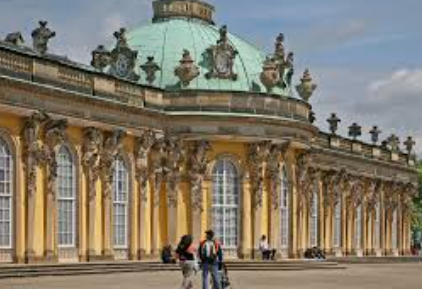
Sanssouci Palace: The Prussian Retreat
Sanssouci, located in Potsdam, stands as a testament to the aesthetic ambitions of Frederick the Great. Often referred to as the “Prussian Versailles,” this palace was designed to be a personal sanctuary, free from the burdens of state affairs. Its architectural significance lies in its intimate scale and the seamless integration between the building and its surrounding terraced vineyards.
The Philosophy of Sanssouci
The name “Sanssouci” translates to “without a care.” This philosophy permeated every design choice, from the light-filled interiors to the meticulously landscaped gardens.
- Terraced Gardens: The unique stepped structure allowed for the cultivation of exotic fruits, demonstrating the Enlightenment-era fascination with botany and control over nature.
- Rococo Interior: The palace features ornate decorations, mirrors, and gilded accents that define the high-water mark of the Rococo style in Prussia.

Nymphenburg Palace: Bavarian Grandeur
Serving as the primary summer residence of the Wittelsbach rulers of Bavaria, Nymphenburg Palace is a sprawling masterpiece of Baroque architecture. Situated in Munich, it reflects the power and prestige of the Bavarian monarchy through its vast parklands and the central palace building, which stretches over 600 meters in width.
The Evolution of the Estate
The palace evolved from a modest villa into a grand complex. Key architectural phases include the expansion of the central pavilion and the addition of the magnificent galleries. The park, designed in the French style, features canals that mirror the grandeur of the palace itself.
Key Architectural Features
- The Great Hall: Decorated with frescoes by Johann Baptist Zimmermann, it serves as the crown jewel of the palace interior.
- The Park Pavilions: Structures like the Amalienburg provide a glimpse into the diverse architectural tastes of the Bavarian court, ranging from hunting lodges to tea houses.

Heidelberg Castle: The Romantic Ruin
Perched above the city of Heidelberg, this castle serves as the quintessential symbol of German Romanticism. Its history is one of destruction and rebirth, having survived multiple wars and fires. Today, the ruins attract millions of visitors who come to witness the dramatic juxtaposition of Gothic and Renaissance architecture.
Symbolism in Romantic Art
The castle’s state of decay became a muse for poets and painters in the 19th century. Writers like Mark Twain found inspiration in its weathered stone walls, cementing its place in global literature.
Technical Restoration Challenges
Preserving a ruin requires a delicate balance between structural integrity and historical authenticity. Engineers must monitor the sandstone foundations, which are susceptible to erosion, ensuring that the silhouette remains intact for future generations.

Neuschwanstein Castle: The Fairytale Vision
Commissioned by King Ludwig II of Bavaria, Neuschwanstein is perhaps the most famous castle in the world. Often called the “Fairytale Castle,” it was built as a private retreat and a tribute to the operas of Richard Wagner, rather than a functional fortress.
Construction and Engineering
Despite its medieval aesthetic, the castle was a marvel of modern 19th-century engineering. It featured central heating, running water, and an early telephone system, showcasing the King’s obsession with technological advancement.
The Influence on Modern Culture
The castle’s design has had a profound impact on global architecture, most famously serving as the inspiration for the Disney castle. It represents the intersection of myth, music, and architectural fantasy.
Frequently Asked Questions (FAQ)
- Q1: Which of these palaces is the best for a day trip?
- Nymphenburg Palace is highly accessible due to its location in Munich, making it ideal for a day trip. However, for those seeking a dramatic landscape, Neuschwanstein offers an unparalleled fairytale experience.
- Q2: Can you go inside all these castles?
- Yes, most of these sites offer guided tours. It is highly recommended to book tickets in advance, especially for Neuschwanstein, as it is a top-tier tourist destination with limited daily capacity.
- Q3: What architectural style is most common in these palaces?
- The styles vary significantly: Sanssouci is primarily Rococo, Nymphenburg is Baroque, and Neuschwanstein is a 19th-century Romanesque Revival, reflecting the changing tastes of German royalty over centuries.
- Q4: Why is Heidelberg Castle considered a ruin?
- Heidelberg Castle was severely damaged by lightning strikes and the wars of the 17th century, specifically the Nine Years’ War. It was never fully reconstructed, leaving it as a picturesque ruin that captures the essence of Romanticism.