The three must-knows when living in Malaysia: language, names and beverage culture
When you come to live in a new country, you will always encounter some cultural phenomena that are both confusing and hilarious. Malaysia is a multicultural intersection, and its Chinese community contains many unique language habits and life details, which are worth understanding for every newcomer. This article will reveal the “three universal” phenomena that are extremely practical in Malaysian life: the universal word “grain”, the universal name “Abang” and the “100” beverage culture that can be seen everywhere in the streets and alleys. Mastering these three “universals” will not only make your life more convenient, but also help you better integrate into this tropical and diverse society.
The universal word “粒”: Why is “粒” used in everything?
In Mandarin or English, we often need to use different quantifiers to refer to the quantity of items. For example, we say “an egg”, but we cannot say “an apple”. We need to use “one” or “one” for apples. However, in the Chinese community in Malaysia, especially in areas with a strong influence of Cantonese and Minnan dialects, people widely use the quantifier “粒” to refer to various items.
You may hear:
An apple
An egg
A piece of cake
A durian
A watch
A mobile phone
The origin of this “universal grain” usage is mainly related to the language habits of Cantonese. In Cantonese, “粒” is generally used to describe small and round objects, such as “粒糖” and “粒蛋”, but with the evolution of the language in Malaysia and the influence of the local multilingual environment, the scope of application of this word has gradually expanded, becoming a “universal word” that can cover most objects.
From a linguistic perspective, this phenomenon of simplified use of quantifiers actually reflects the principle of language economy – using the simplest expression to convey the most information. More interestingly, this usage shows the interweaving and integration of different languages in Malaysian Chinese culture, which is both convenient and distinctive.
For those who have just arrived in Malaysia, hearing “a mobile phone” or “a cake” for the first time may be novel or even confusing, but you will soon find that such expressions greatly facilitate daily communication and also give the language a unique sense of intimacy and humor.
The universal name “Abang”: from “brother” to the universal name
“Abang” was originally a nickname for elder brother in the Chinese community. But in Malaysia, the use of this word goes far beyond the name between brothers. Today, “Abang” has almost become a universal name, covering a variety of roles in life.
You will hear:
The delivery guy is called “Abang”
Repair workers and maintenance masters are called “Abang”
Restaurant waiters or shop assistants are also affectionately called “Abang”.
Girlfriends even call their boyfriends “Abang”
The popularity of this name is partly due to the “oppa” craze in Korean culture, but “Abang” has a more down-to-earth flavor in Malaysian life. It carries respect, kindness and even some playfulness, and is a bridge connecting the emotions between people.
The flexibility and popularity of this name have made “Abang” almost a “magic spell” in daily life. It brings people closer together and makes communication between strangers warm and natural. There is even an urban legend circulating on the Internet: a man named “Abang” shouted and the robbers gave up the robbery. Although it is difficult to tell whether it is true or not, it shows the unique status of the name “Abang” in people’s hearts.
This way of addressing reflects the linguistic creativity and cultural inclusiveness of Malaysian Chinese, and also reflects their emphasis on and warmth in interpersonal relationships.
Universal Drink “100”: A must-have for hot weather
Malaysia is located in the tropics, with hot and humid weather all year round, and the need for cooling down and quenching thirst is indispensable in life. It is in this climate background that the drink named “100” has become the “universal drink” in the hands of Malaysians.
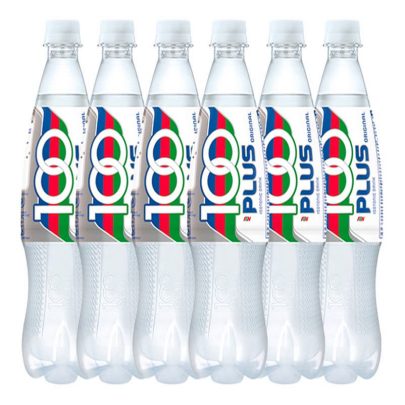
“100” is actually a functional drink containing electrolytes, similar to American sports drinks Gatorade or Powerade. It can quickly replenish the body’s lost water and salt, and is a good medicine for heat stroke, fever or physical overdraft.
Whether it is street food stalls, ordinary families, or luxurious wedding banquets, the “100” drink is everywhere. In Malaysia, if someone feels dizzy or weak, the common advice is to “drink 100”, as if this drink has become a universal antidote.
The popularity of this drink is not only because of its functionality, but also because it has long been part of the local culture. What’s more interesting is that in some areas in northern Malaysia, there is a folk legend that adds eggs to “100” to make the “100th Dinosaur Egg” drink. Although it sounds a bit strange and even mysterious, it reflects the locals’ love and creativity for this drink.
The popularity of this drink also reflects the wisdom of Malaysians in facing the hot climate, which is both practical and full of regional characteristics.
Life wisdom under the integration of multiple cultures
The three universal phenomena of “grain”, “Abang” and “100” are not only the simplification of language, but also the interweaving of culture. They demonstrate the inclusiveness and innovative spirit of Malaysia, a multi-ethnic country.
The language elements of Cantonese and Minnan are mixed with Malay, English and other multilingual environments to create a unique way of communication. Whether it is the convenient measure word “粒”, the intimate name “阿邦”, or the functional beverage “100”, they are all the results of cross-cultural integration, reflecting the wisdom and creativity of life.
For outsiders, understanding and integrating these cultural symbols not only helps them adapt to local life, but also allows them to deeply feel the vitality and diversity of Malaysian society.
The cultural significance behind these “universal” phenomena
When living in an unfamiliar culture, the details of the language are often the most challenging and interesting part. These “universal” usages not only improve the efficiency of daily communication, but also make cultural exchanges more vivid and humane.
They are a symbol of social vitality, a reflection of the close relationships between people, and the result of the mutual influence and integration of diverse cultures in daily life.
Behind this, you can also see how a society maintains interpersonal relationships, builds a sense of belonging, and even demonstrates cultural confidence through language and living habits.
What interesting discoveries have you made in cross-cultural communication?
Each country and region has its own unique language habits and lifestyles. Have you ever encountered similar “universal” usages, or names and cultural phenomena that made you laugh? Perhaps you have also discovered some cross-cultural anecdotes that surprised you?
You are welcome to share your stories in the comment section. Let us explore the colorful charm of language and culture together.