Mastering the 3-Day Trip: Ultimate Global Itineraries and Expert Planning
In an era where time is the most precious commodity, the “72-hour getaway” has emerged as the gold standard for modern exploration. This guide serves as a master blueprint for navigating six of the world’s most diverse landscapes—from the skyscraper-lined streets of Chicago to the rugged peaks of the Scottish Highlands—in exactly three days. By synthesizing high-performance travel data and local insights, we provide a roadmap that balances iconic sightseeing with authentic local immersion.
Chicago: The Architectural and Culinary Powerhouse of the Midwest
Chicago, the “Windy City,” offers a dense concentration of culture, history, and innovation. A three-day itinerary here must prioritize the city’s unique relationship with Lake Michigan and its world-renowned skyline. The logic of a short stay in Chicago revolves around the “Loop” and the “Magnificent Mile,” ensuring minimal transit time between major landmarks.
Day 1: The Loop and Lakefront Landmarks
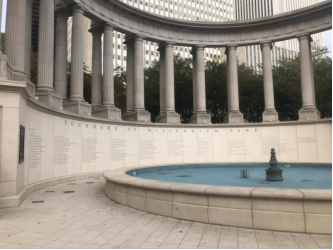
Begin your journey at Millennium Park, home to the iconic “Cloud Gate” (The Bean). This area serves as the city’s front yard and provides an immediate sense of Chicago’s scale. Following this, a visit to the Art Institute of Chicago is essential; it houses one of the largest collections of Impressionist and Post-Impressionist art outside of Paris.
- The Architecture River Cruise: Often cited as the #1 tour in the US, this boat trip explains how the Great Chicago Fire of 1871 led to the birth of the modern skyscraper.
- Skydeck Chicago: Located in the Willis Tower, the Ledge provides a glass-bottomed view of the city from 103 floors up.
Day 2: Museum Campus and Deep Dish Immersion
The Museum Campus offers a trifecta of world-class institutions: the Field Museum, the Shedd Aquarium, and the Adler Planetarium. Spend your morning exploring natural history before heading to the West Loop for a culinary evolution. While deep-dish pizza at Lou Malnati’s or Giordano’s is a rite of passage, the city’s modern food scene in Fulton Market is where the true innovation lies.

Sydney: Harbor Icons and Coastal Splendor
Sydney is a city defined by its water. A 3-day trip requires a strategic focus on the harbor, the historic “Rocks” district, and the famous eastern suburbs’ coastline. The key to Sydney is utilizing the extensive ferry network as both transportation and a scenic tour.
Day 1: Circular Quay and the Historic Rocks
Start at Circular Quay, the nexus of the city. A tour of the Sydney Opera House is mandatory to understand the engineering marvel of its sails. Walk through the Royal Botanic Garden to Mrs. Macquarie’s Chair for the ultimate photo opportunity of both the Opera House and the Sydney Harbour Bridge.
- The Rocks: Explore the cobblestone alleys of Sydney’s oldest neighborhood, featuring pubs that date back to the early 19th century.
- BridgeClimb: For those without a fear of heights, climbing the arch of the Harbour Bridge offers a 360-degree view of the Pacific Ocean and the Blue Mountains.
Day 2: The Bondi to Coogee Coastal Walk
No trip to Sydney is complete without visiting Bondi Beach. Instead of just sitting on the sand, embark on the 6km coastal walk to Coogee. This path takes you past Tamarama and Bronte beaches, offering stunning cliffside views and numerous “ocean pools” carved into the rock.

The Scottish Highlands: A Journey Through Myth and Mist
The Highlands demand a different pace. With three days, the focus shifts from city blocks to scenic driving routes. The most efficient loop starts in Inverness or Fort William, covering the Isle of Skye and the haunting valley of Glencoe.
Day 1: Glencoe and the Road to the Isles
Driving through Glencoe is a spiritual experience. The volcanic landscape and the history of the MacDonald clan massacre provide a somber yet beautiful introduction to the Highlands. Continue toward the Glenfinnan Viaduct, famous for the Jacobite Steam Train (the “Harry Potter” train).
Day 2: The Isle of Skye’s Natural Wonders
Skye is the crown jewel of the Highlands. In a single day, you can witness the Old Man of Storr, the Quiraing, and the Fairy Pools. The logic here is to start early to avoid the mist and the crowds at these popular geological formations.
| Location | Key Highlight | Best Time to Visit |
|---|---|---|
| Old Man of Storr | Basalt Pinnacles | Sunrise |
| Eilean Donan Castle | 13th Century Fortress | Late Afternoon |
| Loch Ness | Urquhart Castle Ruins | Mid-day |

Switzerland: Alpine Peaks and Crystal Lakes
Switzerland’s efficiency makes a 3-day trip surprisingly feasible. By centering your stay in Lucerne or Interlaken, you gain access to the Bernese Oberland’s most dramatic peaks via the world’s most reliable rail system.
Day 1: Lucerne and Mount Pilatus
Explore the medieval Chapel Bridge and the Lion Monument in Lucerne before taking the “Golden Round Trip” to Mount Pilatus. This involves a boat cruise, the world’s steepest cogwheel railway, and an aerial cableway descent.
Day 2: Jungfraujoch – The Top of Europe
From Interlaken, journey to Jungfraujoch, the highest railway station in Europe at 3,454 meters. The Sphinx Observatory offers views of the Aletsch Glacier, the largest in the Alps. This excursion is a masterclass in Swiss engineering and provides a high-altitude experience that is accessible to all.

London: Royal Heritage and Modern Vibrancy
London is a sprawling metropolis, so a 3-day itinerary must be geographically clustered. Focus on Westminster and the South Bank on Day 1, the City of London and Shoreditch on Day 2, and the West End or Kensington on Day 3.
Day 1: The Royal Route
Start at Buckingham Palace for the Changing of the Guard (check schedules), then walk through St. James’s Park to Westminster Abbey and the Houses of Parliament. Crossing Westminster Bridge brings you to the London Eye and the South Bank’s cultural hub.
- The Tower of London: A 900-year-old fortress housing the Crown Jewels. Be sure to join a Yeoman Warder (Beefeater) tour for the best historical context.
- The British Museum: Home to the Rosetta Stone and the Elgin Marbles. Focus on one or two wings to avoid “museum fatigue.”

Barcelona: Gaudi, Gothic Alleys, and Mediterranean Life
Barcelona is a sensory explosion. The architectural legacy of Antoni Gaudí defines the city’s aesthetic, while the Gothic Quarter provides a deep dive into its Roman and medieval past.
Day 1: The Modernism Trail
Dedicate your first day to Gaudí. The Sagrada Família is the priority; booking tickets weeks in advance is mandatory. Follow this with Park Güell for panoramic views and Casa Batlló on the Passeig de Gràcia. The intricate symbolism in these works reflects Catalonia’s unique cultural identity.
Day 2: The Gothic Quarter and La Rambla
Lose yourself in the Barri Gòtic, where narrow streets open into hidden plazas. Visit the Barcelona Cathedral and then head to La Boqueria Market off La Rambla for a lunch of fresh seafood and local jamón. End the day at Barceloneta Beach to experience the Mediterranean lifestyle.

Advanced Strategies for 3-Day Travel Success
To execute a perfect 3-day trip, travelers must adopt a “logistics-first” mindset. This involves more than just booking flights; it requires optimizing every hour of the 72-hour window.
The Hub-and-Spoke Model
Choose a central accommodation “hub” that minimizes commute time. In London, this might be Covent Garden; in Sydney, Circular Quay. Avoid changing hotels during a 3-day stay, as checking in and out consumes roughly 3-4 hours of prime exploration time.
Digital Efficiency and Pre-Booking
The biggest enemy of the short trip is the “sold out” sign. For high-demand attractions like the Sagrada Família or the Jungfraujoch train, digital tickets should be secured at least 30 days in advance. Utilize city-specific apps (like “Citymapper” for London or “SBB Mobile” for Switzerland) to navigate public transit in real-time.

Conclusion: The Art of the Short Stay
A 3-day itinerary is not about seeing everything; it is about seeing the right things with the right context. Whether you are navigating the historic streets of London or the alpine heights of Switzerland, the key is a balance of rigorous planning and the flexibility to enjoy a spontaneous sunset or a local meal. By following these structured paths, you transform a brief visit into a lifelong memory.
Frequently Asked Questions (FAQ)
- Q1: Is 3 days really enough to see a major city like London or Sydney?
- While you cannot see every neighborhood, 3 days is sufficient to experience the “core” identity of these cities. By focusing on a specific geographic area each day and pre-booking major sites, you can cover the top 5-7 landmarks without feeling rushed.
- Q2: What is the best way to handle jet lag on such a short trip?
- The most effective strategy is to immediately adopt the local time zone. Stay awake until at least 9:00 PM on your arrival day, seek natural sunlight, and stay hydrated. Avoid long naps during the day, as they will disrupt your ability to sleep at night.
- Q3: How should I prioritize attractions if I have limited time?
- Use the “Anchor Attraction” method. Choose one “must-see” site for the morning and one for the afternoon. Fill the gaps between them with low-stress activities like walking through parks or visiting local markets. This prevents the schedule from becoming overwhelming.
- Q4: Is it better to use public transport or ride-sharing for a 3-day trip?
- In cities like London, Switzerland, and Chicago, public transit (trains and the “L”) is often faster and cheaper due to traffic congestion. However, in the Scottish Highlands, a rental car is essential for reaching remote locations like the Isle of Skye efficiently.
- Q5: Should I buy a “City Pass” for a 72-hour stay?
- City passes (like the London Pass or Chicago CityPASS) are worth it if you plan to visit at least two major paid attractions per day. Calculate the individual entry fees beforehand; usually, the pass pays for itself by the third attraction and often includes “fast track” entry, which saves valuable time.