Bak Kut Teh: Cultural Migration and Social Observation from Singapore to Chinese Dining Tables in Malaysia
Southeast Asian cuisine crosses borders
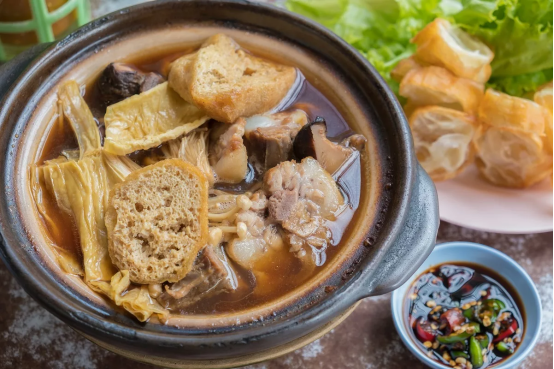
Bak Kut Teh, a popular Southeast Asian dish, is often considered the defining dish of Singapore. However, it’s also incredibly popular in Malaysia, particularly among the Chinese community. Literally translating to “meat bone tea,” Bak Kut Teh is a slow-cooked broth made with pork bones, herbs, and spices. Its delicious flavor and nutritional value have made it a staple at family gatherings and in everyday meals.
It’s worth noting that while both Singapore and Malaysia claim to be the birthplace of Bak Kut Teh, there are subtle differences in the cooking styles and ingredients used in the two regions:
Singaporean style : sweeter, with a lighter medicinal flavor, often served with fried dough sticks or rice
Malaysian style : Stronger flavor, more herbal, usually with garlic and chili
This cross-border inheritance demonstrates the flexible adaptability of Southeast Asian Chinese culture in diet, and also reflects the deep integration of food and regional culture.
Chinese Community and Cultural Identity
Since the 19th century, Malaysia’s Chinese community has forged a unique social and cultural network. As a crucial vehicle for cultural heritage, dining not only reflects ethnic identity but also reflects diverse lifestyles and community cohesion.
Family dinner : Bak Kut Teh is often the core dish of family dinners during festivals or weekends.
Social occasions : Bak Kut Teh is also a popular choice for entertaining guests at small gatherings and community events.
Cultural identity : Food has become an important symbol of the continuation of ethnic culture
For Malaysian Chinese, Bak Kut Teh is not just a delicacy but also a cultural bond, allowing the younger generation to maintain a connection with their ancestral culture while enjoying modern life.
Regional and language misunderstandings
Misunderstandings based on region and language often arise in cross-cultural exchanges. For example, young Chinese Malaysians are sometimes mistaken for mainland Chinese residents and even asked when they will “return to China.” In reality, most were born and raised in Malaysia, for whom Chinese is only a mother tongue, while also being fluent in Malay and English.
This misunderstanding reflects the limitations of the outside world’s understanding of the Chinese community’s identity and the diversity of ethnic identity in the context of globalization. The younger generation shows more flexibility in lifestyle, language choice, and cultural identity than traditional ethnic groups.
Cuisine migration and cultural integration
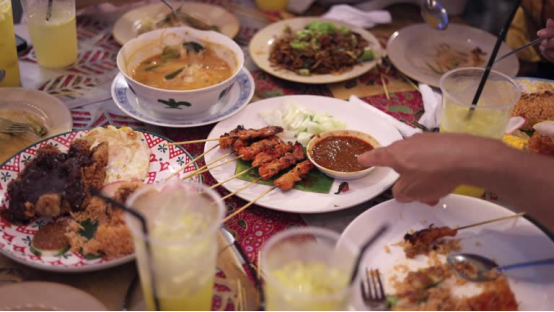
The cross-border popularity of Bak Kut Teh is a microcosm of the integration of Chinese culture in Southeast Asia. Similar phenomena also include:
Hainanese Chicken Rice : There are different versions in Singapore and Malaysia, reflecting regional taste preferences
Hokkien noodles and prawn noodles : Both countries have modified versions to suit local ingredients and tastes
Desserts and snacks : such as iced red beans and coconut sugar cakes, have also formed a unique style in the cross-border community
These delicacies not only satisfy the culinary craving but also become important symbols of ethnic cultural heritage and social identity. Behind the food, we can see how the Chinese community has found a balance in their identity amidst the impact of multiculturalism.
Ingredients and cooking differences
Although the name is the same, the preparation method and ingredients of Bak Kut Teh vary in different regions:
Herbal medicine used : The Malaysian version usually uses more Chinese herbs, such as angelica, codonopsis, cinnamon, etc., to increase the medicinal effect.
Side dishes : The Singaporean version is lighter and usually served with fried dough sticks, while the Malaysian version may add garlic, chili or mushrooms.
Soup consistency : The Malaysian version has a darker soup color and rich flavor, suitable for pairing with white rice
These differences reflect the constant adjustment of cuisine in cross-regional cultural exchanges to adapt to local eating habits and taste preferences, while also highlighting the innovative ability of ethnic groups in cultural heritage.
Economy and Dietary Choices
Besides cultural factors, economic factors also influence the popularity of this delicacy within the community. The price level, dining costs, and household income structure in Malaysia and Singapore all contribute to different consumption patterns of Bak Kut Teh in the two regions.
Malaysia : Moderately priced, suitable for daily family consumption
Singapore : Dining costs are higher and are more often seen as a specialty dining or dining out option
This difference shows that food is not only a cultural symbol but also closely linked to economic realities. Its popularity and consumption scenarios often reflect the lifestyle and economic capabilities of local residents.
Dining and social networking
In the Chinese community in Malaysia, the consumption of Bak Kut Teh is not limited to home kitchens:
Tea restaurants and snack shops : daily community gathering places, serving affordable Bak Kut Teh
Community activities : Bak Kut Teh becomes a social bonding during festivals and family gatherings
Intergenerational exchange : Young people learn about their ancestors’ food culture by enjoying traditional dishes
These consumption scenarios show that food not only meets physiological needs in community life, but also plays social and cultural functions.
Bak Kut Teh and Identity
For Malaysian Chinese, Bak Kut Teh carries multiple meanings of identity:
Ethnic identity : maintaining connections with Chinese culture
Social tools : an essential element in family and community gatherings
Cultural heritage : The younger generation inherits the culinary tradition of their ancestors by cooking and enjoying Bak Kut Teh
This eating behavior not only reflects respect for tradition, but also demonstrates the flexible use of culture by modern ethnic groups in the context of globalization.
Cultural migration from a global perspective
In the context of globalization, the cross-border spread of Bak Kut Teh has far-reaching significance:
Overseas Chinese communities : In Europe, America, Australia and other places, Chinese restaurants have introduced Bak Kut Teh to continue cultural identity
International restaurant industry : Chain brands promote local specialties to the global market
Cultural adaptability : Ingredients and flavors will be adjusted according to local consumer preferences to form new regional flavors
Through this migration, food has become an important medium for cross-cultural understanding and communication, allowing more people to understand the diversity of Chinese culture in Southeast Asia.
Historical Perspective and Modern Change
The popularity of Bak Kut Teh dates back to the early 20th century, when Chinese immigrants brought Fujian and Teochew cooking techniques to Southeast Asia. This dish not only fulfilled nutritional needs but also became a cultural identity within the community. As times have changed:
Modern improvements : introducing new ingredients and cooking methods
Commercialization : restaurant and chain brand promotion, forming standardized dishes
Cultural innovation : The younger generation combines Western dietary concepts to create innovative versions, such as healthy and low-fat bak kut teh.
This combination of history and modernity makes Bak Kut Teh a symbol of the intersection of tradition and modernity.
summary
Bak Kut Teh is not only a delicacy, but also a symbol of Malaysian Chinese culture, identity and social network.
It is popular in Singapore and Malaysia, and has also spread among overseas Chinese communities.
Regional differences reflect cultural integration and localized innovation
In the economic, social and historical context, Bak Kut Teh carries multiple social functions.
By analyzing the cross-border popularity of Bak Kut Teh, we can see how the Chinese community in Southeast Asia maintains its traditional food culture while adapting to modern lifestyles in a globalized and multicultural environment.