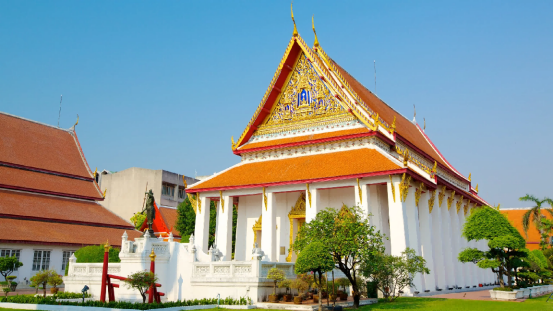
Urban Explorations: Discovering Cultural Gems in Bangkok and Seoul
Unveiling the Soul of Bangkok’s Old City
Bangkok is a city of layers, where the gleaming spires of the Grand Palace meet the weathered, atmospheric brickwork of century-old alleyways. Navigating the Old City requires more than a map; it demands an appreciation for the slow, intentional pace of local life. The transition from the monumental architecture of Wat Arun to the hidden culinary outposts buried deep within the city’s labyrinthine alleys offers a profound contrast between royal history and everyday existence.
The Culinary Legacy of the Alleys
Beyond the tourist-trodden paths lie food stalls that have operated for generations. These vendors are the custodians of Bangkok’s gastronomic heritage, serving recipes that have remained largely unchanged for decades.
- Noodle Artisans: Many stalls specialize in a single type of broth or noodle style, perfected over 50+ years of operation.
- Strategic Location: These hidden gems are often found near traditional markets or temples, relying on local word-of-mouth rather than digital marketing.

The Artistic Pulse of Seoul: Hongdae and Samcheong-dong
Seoul’s cultural identity is a fascinating dichotomy between the youthful, rebellious energy of Hongdae and the serene, refined aesthetic of Samcheong-dong. While Hongdae functions as the city’s primary incubator for street art, indie music, and avant-garde fashion, Samcheong-dong serves as a bridge between the traditional Hanok village culture and modern, sophisticated leisure.
Decoding the Niche Cafe Culture
In Seoul, a cafe is never just a place to drink coffee; it is a meticulously curated spatial experience. In districts like Samcheong-dong, cafes are often housed in renovated historic buildings, blending wood-and-tile architecture with industrial interior design.
- Bookstore-Cafes: Many independent bookstores in these areas double as community hubs, providing a quiet sanctuary for bibliophiles amidst the urban bustle.
- Street Art Integration: Hongdae’s walls are constantly evolving, with local artists using the urban landscape as a canvas for social commentary and aesthetic expression.

Comparative Analysis of Urban Cultural Preservation
Both Bangkok and Seoul face the challenge of modernizing while preserving the “soul” of their historic districts. The following table highlights how these cities approach cultural maintenance:
| Feature | Bangkok (Old City) | Seoul (Hongdae/Samcheong) |
|---|---|---|
| Preservation Focus | Religious & Culinary Heritage | Artistic & Lifestyle Trends |
| Urban Atmosphere | Organic, Layered, Humid | Structured, Dynamic, Clean |
| Key Cultural Asset | Century-old Food Stalls | Independent Bookstores/Cafes |

Strategic Tips for the Cultural Traveler
To truly experience these cities, one must move beyond the “must-see” lists found in standard travel brochures. Immersive travel requires a willingness to get lost and an eye for detail.
Optimizing Your Discovery Journey
When exploring the alleyways of Bangkok or the backstreets of Seoul, consider these tactical approaches:
- Timing is Everything: Visit the food stalls of Bangkok during peak lunch hours to witness the local ecosystem in action. In Seoul, visit indie bookstores on weekday afternoons to avoid the weekend crowds.
- Engage with the Community: Don’t hesitate to ask local shop owners about the history of their neighborhood; their narratives often provide the best context for the physical space.
Frequently Asked Questions (FAQ)
- Q1: What is the best way to find authentic food stalls in Bangkok?
- Look for stalls that feature long queues of local residents rather than tourists. Often, the most authentic spots are located in proximity to older temples or traditional wet markets.
- Q2: How does Seoul’s street art differ between districts?
- Hongdae is characterized by a more rebellious, youthful, and constantly changing street art scene, while Samcheong-dong features art that is more integrated into the architectural aesthetic, focusing on elegance and minimalism.
- Q3: Are independent bookstores in Seoul foreigner-friendly?
- While many focus on Korean literature, most independent bookstores in Hongdae and Samcheong-dong carry curated selections of art books, photography, and English-language titles, making them highly accessible to international visitors.
- Q4: Why are these specific districts considered “Pillar” destinations?
- They serve as the cultural heartbeats of their respective cities. By studying these areas, travelers gain a deeper understanding of the broader socio-economic and cultural trends influencing both Thailand and South Korea.