Ultimate Guide to Iconic US Destinations: Disney, Vegas & Golden Gate
The Allure of America’s Premier Tourist Attractions
The United States boasts a vast and diverse landscape, offering travel experiences that range from awe-inspiring engineering marvels to immersive entertainment capitals. For the discerning traveler, prioritizing which destinations to visit can be a daunting task. However, three distinct locations consistently rank at the pinnacle of global tourism: the enchanting Orlando Disney World, the electrifying Las Vegas Strip, and the historically monumental Golden Gate Bridge. Each of these landmarks represents a unique facet of American culture and ingenuity. By exploring these three pillars of American tourism, travelers can experience the perfect trifecta of family-friendly fantasy, adult-centric luxury, and breathtaking architectural achievement.
Understanding the intricate details of these destinations is crucial for maximizing your travel investment. This comprehensive guide goes far beyond surface-level summaries, meticulously dissecting the operational mechanics, historical contexts, and advanced navigational strategies required to master these locations. Whether you are attempting to optimize a multi-day theme park itinerary, seeking the ultimate culinary and entertainment experience in the Nevada desert, or planning a photographic expedition to San Francisco’s most famous suspension bridge, the insights provided herein will serve as your definitive blueprint for success.

Orlando Disney World: Immersive Magic and Fairytale Adventures
Spanning an astonishing 43 square miles in central Florida, Walt Disney World Resort is not merely a theme park; it is a self-contained, meticulously engineered metropolis dedicated to the art of storytelling and entertainment. Since its opening in 1971, this sprawling complex has redefined the global standard for immersive family vacations. The resort comprises four distinct theme parks, two water parks, a massive retail and dining district, and over two dozen themed resort hotels, all operating in seamless harmony to deliver what is universally recognized as a fairytale come true.
The Four Pillars of the Disney Empire
To truly conquer Disney World, one must understand the unique thematic identity and operational rhythm of its four primary parks. Each park is designed to evoke a specific emotional resonance and caters to different aspects of the human imagination.
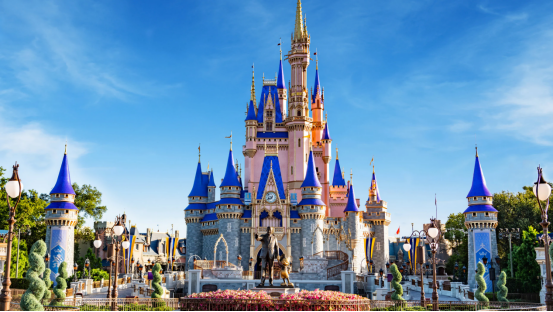
- Magic Kingdom: The quintessential Disney experience, centered around the iconic Cinderella Castle. This park is heavily focused on classic fairytales, character interactions, and nostalgic attractions such as Pirates of the Caribbean and Haunted Mansion. It is the most visited theme park in the world, requiring strategic planning to navigate its dense crowds.
- EPCOT (Experimental Prototype Community of Tomorrow): Originally envisioned by Walt Disney as a utopian city of the future, EPCOT is divided into World Celebration, World Discovery, World Nature, and World Showcase. It offers a unique blend of technological innovation and global cultural immersion, making it a favorite for adult visitors seeking culinary excellence and educational entertainment.
- Disney’s Hollywood Studios: The epicenter of cinematic thrills, this park allows guests to step directly into their favorite film franchises. Home to the extraordinarily immersive Star Wars: Galaxy’s Edge and Toy Story Land, it boasts some of the resort’s most technologically advanced and adrenaline-pumping rides, including Star Wars: Rise of the Resistance.
- Disney’s Animal Kingdom: A masterful fusion of zoological park and high-octane theme park, dedicated to nature conservation and exploration. The crown jewel here is Pandora – The World of Avatar, which features bioluminescent landscapes and the breathtaking Flight of Passage simulator, consistently ranked as one of the best theme park attractions globally.
Understanding the layout and core offerings of these parks is just the beginning. The true mastery of a Disney vacation lies in understanding the complex digital ecosystem that governs ride access, dining reservations, and daily scheduling.

Advanced Strategies for Conquering Disney World
The modern Disney World experience is heavily reliant on digital integration, primarily through the My Disney Experience app. Gone are the days of purely spontaneous park touring; today’s successful Disney vacation requires meticulous pre-planning, a solid understanding of dynamic pricing models, and the strategic deployment of digital queue management systems.
Mastering Genie+ and Lightning Lanes
The introduction of the Disney Genie+ service and Individual Lightning Lanes fundamentally altered how guests experience attractions. To avoid spending hours in standby queues, mastering these paid systems is non-negotiable for the efficiency-minded traveler.
- Disney Genie+: A daily, variable-priced service that grants access to the Lightning Lane entrances of select attractions. The critical strategy here is the “7:00 AM Drop,” where guests must secure their first, highest-priority reservation the moment the system opens. Understanding the 120-minute rule—which dictates when you can book your next attraction—is vital for stacking reservations later in the day.
- Individual Lightning Lanes (ILL): For the absolute top-tier attractions (e.g., TRON Lightcycle / Run, Guardians of the Galaxy: Cosmic Rewind), access is not included in Genie+. These must be purchased a la carte. Demand is exceptionally high, and these often sell out within minutes of becoming available to resort guests at 7:00 AM.
- Virtual Queues: Certain new attractions utilize a free, lottery-style Virtual Queue system instead of a traditional standby line. Guests must be highly proficient with the app to secure a boarding group at precisely 7:00 AM or 1:00 PM, requiring split-second timing and a reliable cellular connection.
Beyond ride strategies, dining reservations (Advanced Dining Reservations, or ADRs) open 60 days in advance. Securing tables at highly coveted locations like Cinderella’s Royal Table or Space 220 requires logging into the system at 6:00 AM EST exactly 60 days before your check-in date. This level of preparation ensures that your fairytale vacation remains magical rather than stressful.

Las Vegas Strip: The Ultimate Carnival in the City That Never Sleeps
Transitioning from the family-centric magic of Florida to the neon-drenched adult playground of Nevada, the Las Vegas Strip stands as an unparalleled monument to entertainment, luxury, and excess. Officially known as Las Vegas Boulevard South, this 4.2-mile stretch is home to the largest and most extravagant casino resorts on the planet. It is a place where architectural replication meets unbridled hedonism, creating an environment that is simultaneously surreal and intensely captivating.
The Architecture of Illusion and Mega-Resorts
The defining characteristic of the Las Vegas Strip is its concentration of mega-resorts, each designed to transport visitors to different corners of the globe or distinct historical eras. These structures are masterclasses in psychological design, built to keep guests engaged, disoriented from the passage of time, and continuously consuming entertainment.
- The Venetian and The Palazzo: A staggering recreation of Venice, Italy, complete with indoor canals, serenading gondoliers, and meticulously painted sky ceilings that mimic a perpetual twilight. The attention to detail in the frescoes and stonework makes it a marvel of thematic engineering.
- Bellagio: Synonymous with elegance, the Bellagio is world-renowned for its spectacular choreographed fountain shows. Inside, the Conservatory and Botanical Gardens feature massive, seasonal floral displays created by a team of over 100 horticulturists, while the casino floor exudes high-stakes sophistication.
- Caesars Palace: A tribute to the opulence of the Roman Empire, this historic property has continually expanded while maintaining its grand, statuesque aesthetic. It houses the Colosseum, a premier entertainment venue that has hosted legendary residencies from global music icons.
The Strip is not merely about gambling; it has evolved into a global culinary epicenter. The concentration of Michelin-starred restaurants, celebrity chef outposts, and avant-garde dining experiences is unmatched. From Joel Robuchon’s exquisite French cuisine to the high-energy atmosphere of Gordon Ramsay’s Hell’s Kitchen, the gastronomic landscape of Las Vegas is as much of a draw as the casinos themselves.

Navigating the Neon: Las Vegas Travel Logistics
While the Las Vegas Strip may appear easily walkable on a map, the reality of its immense scale, combined with the extreme desert heat and labyrinthine resort layouts, makes strategic navigation essential. A poorly planned excursion down the Strip can quickly lead to exhaustion and frustration.
Transportation and Budget Optimization
Understanding the micro-geography of Las Vegas Boulevard is key to an efficient trip. The visual proximity of resorts is an optical illusion created by their massive size; walking from the MGM Grand to the Wynn, for instance, is a nearly two-mile trek through dense crowds and over elevated pedestrian bridges.
| Transportation Method | Best Used For | Cost & Efficiency Profile |
|---|---|---|
| Las Vegas Monorail | Traveling the east side of the Strip (MGM Grand to Sahara). | Moderate cost; highly efficient for bypassing Strip traffic, though stations are located deep within the resorts. |
| Rideshare (Uber/Lyft) | Point-to-point travel between specific resort entrances or off-Strip dining. | Variable cost (surge pricing applies); convenient, but guests must locate designated, often hidden, rideshare pickup zones. |
| Walking | Exploring adjacent properties (e.g., Bellagio to Caesars Palace). | Free; physically demanding. Requires comfortable footwear and hydration, especially during summer months. |
| Free Trams | Specific resort connections (e.g., Mandalay Bay to Excalibur; Bellagio to Park MGM). | Free; excellent for short hops on the west side of the Strip, saving significant walking time. |
Beyond physical navigation, financial navigation is equally critical. Las Vegas is designed to extract wealth, but savvy travelers can optimize their budgets. Joining casino loyalty programs (such as MGM Rewards or Caesars Rewards) is highly recommended, even for non-gamblers, as these cards often provide discounts on dining, show tickets, and waived resort fees for higher-tier members. Furthermore, booking shows and dining well in advance, rather than relying on last-minute availability, ensures access to the best experiences without falling victim to premium surge pricing.

The Golden Gate Bridge: San Francisco’s Architectural Marvel
Leaving behind the manufactured environments of Florida and Nevada, we arrive at a triumph of human engineering set against a backdrop of raw natural beauty: the Golden Gate Bridge. Spanning the Golden Gate Strait, the mile-wide channel connecting San Francisco Bay to the Pacific Ocean, this iconic suspension bridge is universally recognized as an engineering legend and a symbol of American resilience and innovation.
The History and Engineering of an Icon
Before its completion in 1937, the concept of bridging the treacherous Golden Gate Strait was deemed impossible by many experts. The turbulent currents, frequent blinding fogs, and corrosive salt air presented insurmountable challenges. However, under the relentless leadership of chief engineer Joseph Strauss, alongside brilliant minds like Leon Moisseiff (who calculated the structural design) and Irving Morrow (who championed the bridge’s aesthetic elements), the impossible was achieved.
The bridge’s engineering statistics remain staggering even by modern standards. The two majestic towers rise 746 feet above the water, supporting two massive main cables. Each of these main cables is astonishingly composed of 27,572 individual strands of galvanized steel wire, tightly bundled together. If laid end-to-end, the wire used in the main cables would wrap around the Earth’s equator more than three times. This immense tensile strength is required to support the suspended roadway while allowing the structure to flex and sway safely during high winds and seismic events, a critical feature given its proximity to the San Andreas Fault.
Aesthetically, the bridge is famous for its striking International Orange color. Originally intended only as a temporary anti-corrosive primer, the vibrant hue was selected permanently by Irving Morrow because it provided high visibility for passing ships in the dense San Francisco fog and contrasted beautifully with the cool blues of the ocean and the green and brown tones of the surrounding Marin Headlands.

Experiencing the Golden Gate: Walk, Bike, or Sail
Visiting the Golden Gate Bridge is a multi-sensory experience that extends far beyond simply driving across its 1.7-mile span. To truly appreciate the scale and majesty of this engineering legend, travelers must engage with the structure from multiple vantage points and modes of transportation.
Optimal Viewing and Interactive Strategies
The microclimate of the San Francisco Bay Area dictates that weather conditions can change rapidly. The bridge is frequently shrouded in its famous advection fog (affectionately named “Karl the Fog” by locals), which can either obscure the view entirely or create a hauntingly beautiful, ethereal atmosphere. Planning your visit requires flexibility and an understanding of the best geographic vantage points.
- Walking the Pedestrian Pathway: The eastern walkway is open to pedestrians and offers breathtaking, unobstructed views of the San Francisco skyline, Alcatraz Island, and the bay. The sheer vibration of the bridge from passing traffic and the howling of the wind through the suspension cables provide a visceral understanding of the structure’s dynamic nature.
- Cycling Across to Sausalito: One of the most popular tourist activities is renting a bicycle at Fisherman’s Wharf, riding across the bridge, and descending into the picturesque waterfront town of Sausalito. From there, cyclists can enjoy a relaxing ferry ride back to San Francisco, offering spectacular views of the bridge from the water level.
- Battery Spencer (Marin Headlands): For the quintessential, postcard-perfect photograph of the Golden Gate Bridge with the city skyline in the background, travelers must cross to the northern side and drive up into the Marin Headlands. Battery Spencer, an abandoned military installation, provides an elevated, dramatic angle that is particularly stunning during the “golden hour” before sunset.
- Fort Point National Historic Site: Located at the southern base of the bridge, this Civil War-era brick fortress offers a unique perspective from directly underneath the massive steel arch that supports the roadway over the fort. It highlights the intricate steelwork and the deafening roar of the traffic above.

Essential Travel Planning for Your Ultimate US Vacation
Whether you are planning to tackle Orlando Disney World, the Las Vegas Strip, and the Golden Gate Bridge in a single, epic cross-country expedition, or breaking them into dedicated regional vacations, strategic logistical planning is paramount. These destinations represent the pinnacle of American tourism, and as such, they demand respect regarding budgeting, seasonal timing, and physical endurance.
When considering seasonality, each location has distinct optimal windows. Orlando is best visited in the “shoulder seasons” of late January to early March, or September to mid-November, avoiding the extreme summer humidity and peak holiday crowd surges. Las Vegas is ideal in the spring (March to May) and autumn (September to November) when the desert temperatures are mild enough to enjoy the extravagant outdoor pool complexes without suffering from the blistering summer heat. San Francisco and the Golden Gate Bridge experience their most predictable, fog-free weather in September and October, often referred to as the city’s “Indian Summer.”
Ultimately, the success of visiting these iconic landmarks lies in balancing meticulous pre-planning with the flexibility to embrace spontaneous moments. By utilizing the advanced strategies outlined in this guide—from mastering Disney’s digital queues to navigating the neon labyrinth of Vegas and identifying the perfect photographic angle in San Francisco—you are guaranteed an enriching, unforgettable travel experience that captures the very essence of American grandeur.
Frequently Asked Questions (FAQ)
- What is the best time of year to visit Walt Disney World to avoid large crowds?
- The concept of a truly “slow season” at Disney World is largely a thing of the past. However, you can experience relatively lower crowd levels by visiting during the last week of August through September (keeping in mind it is peak hurricane season), late January, and the first two weeks of May. Avoiding major US holidays, school spring breaks, and the week between Christmas and New Year’s Day is crucial for minimizing wait times.
- Is it necessary to rent a car when visiting the Las Vegas Strip?
- Generally, no. Renting a car for a trip exclusively focused on the Las Vegas Strip is often more of a hindrance than a help due to heavy traffic and the high cost of parking at mega-resorts. Utilizing a combination of walking, the Las Vegas Monorail, free resort trams, and rideshare services (Uber/Lyft) is far more efficient and cost-effective. A rental car is only recommended if you plan to take extensive day trips to off-Strip locations like the Hoover Dam, Valley of Fire, or the Grand Canyon.
- How much does it cost to cross the Golden Gate Bridge, and how do I pay?
- The Golden Gate Bridge utilizes an entirely electronic tolling system; there are no human toll collectors or cash lanes. Tolls are only collected in the southbound direction (entering San Francisco). As of the latest updates, the toll for a standard 2-axle vehicle is typically between $8.50 and $9.75, depending on whether you use a FasTrak transponder or the Pay-By-Plate invoice system. Rental car users should check with their agency regarding toll-processing fees, as these can add significant surcharges.
- Can I realistically visit all four Disney World parks in a single day?
- While physically possible using the Park Hopper ticket add-on, it is highly discouraged for anyone wanting to actually experience the attractions. Attempting all four parks in one day reduces the experience to a frantic footrace, allowing time for perhaps one major ride per park while burning hours in transit between locations. A minimum of four days (one dedicated day per park) is strongly recommended to properly absorb the immersive environments and utilize the Genie+ system effectively.
- What is the dress code for dining and shows on the Las Vegas Strip?
- During the day, Las Vegas is extremely casual, with resort wear and comfortable walking shoes being the norm. However, as evening approaches, the dynamic shifts. Fine dining establishments, upscale lounges, and nightclubs strictly enforce dress codes. For men, this typically means collared shirts, dress shoes, and tailored pants (no athletic wear, shorts, or open-toed shoes). Women generally wear cocktail dresses or elegant evening separates. Always check the specific dress code of your reserved venue in advance to avoid being denied entry.