Global Cultural Etiquette: A Comprehensive Guide to International Customs
Traveling the world is more than just visiting landmarks; it is an immersion into the diverse tapestries of human belief, social structure, and daily ritual. To truly connect with a destination, a traveler must move beyond the role of an observer and become a respectful participant in local customs. This pillar page serves as an exhaustive resource for understanding the complex cultural landscapes of several key global destinations, providing the depth needed to navigate social interactions with grace and intelligence.
Understanding Tibetan Buddhist Pilgrimage and Rituals
The Tibetan plateau is home to some of the most profound spiritual practices in the world. Central to Tibetan Buddhism is the concept of the pilgrimage, a journey intended to purify karma and accumulate merit. For many Tibetans, the ultimate destination is the Jokhang Temple in Lhasa, considered the spiritual heart of Tibet.
The Sacred Practice of Prostration
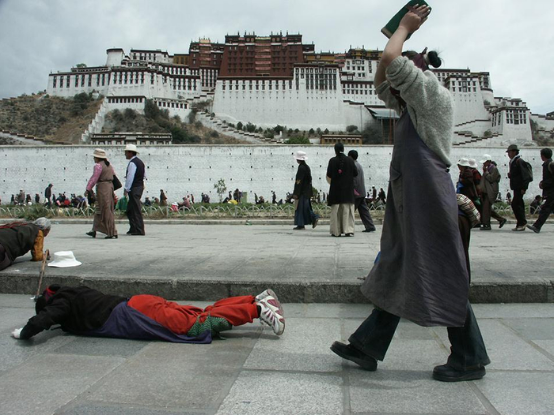
Prostration, or “Kowtow,” is a fundamental ritual in Tibetan Buddhism. It is not merely a physical movement but a holistic exercise involving the body, speech, and mind. Travelers will often see pilgrims performing full-body prostrations along the roads to Lhasa, sometimes traveling hundreds of miles in this manner.
- Body: The physical act of lying flat on the ground symbolizes humility and the surrender of the ego.
- Speech: Pilgrims often chant mantras, such as “Om Mani Padme Hum,” during the process.
- Mind: The practitioner focuses on the qualities of the Buddha, seeking to align their own consciousness with enlightenment.
When observing these rituals, it is imperative to maintain a respectful distance. Avoid taking photographs of individuals in the middle of prayer without explicit permission, and never step over a person who is prostrating.

Navigating the Social Fabric of India: Understanding the Caste System
India’s social structure is deeply influenced by the historical caste system, a hierarchical classification that has existed for millennia. While modern India has made significant strides in social equality and the legal system prohibits caste-based discrimination, the cultural undertones remain present, especially in traditional settings.
Identifying Social Hierarchies
For a traveler, understanding these nuances is not about participating in the hierarchy but about recognizing the social landscape. Caste often correlates with traditional occupations, surnames, and even dietary habits. For instance, those from higher castes like Brahmins have historically been associated with priesthood and academia and may follow strict vegetarian diets.
| Caste Category | Traditional Role | Modern Context |
|---|---|---|
| Brahmins | Priests, Scholars | Highly represented in education and law. |
| Kshatriyas | Warriors, Rulers | Often found in military and political roles. |
| Vaishyas | Traders, Merchants | Dominant in business and commerce. |
| Shudras | Laborers, Service providers | Essential workforce in agriculture and industry. |
In social interactions, be mindful that status can influence how people interact with one another. Showing equal respect to everyone, regardless of their perceived social standing, is the hallmark of a conscious traveler.

Mastering Japanese Onsen Etiquette: A Guide to Hot Springs
The Onsen, or natural hot spring, is a cornerstone of Japanese culture, offering relaxation and healing. However, the experience is governed by a strict set of rules designed to maintain cleanliness and a peaceful atmosphere.
The Onsen Process Step-by-Step
Entering an Onsen without knowing the rules can lead to embarrassment. Follow these steps to ensure a respectful visit:
- Undressing: All clothing, including swimwear, must be removed in the changing room. Only a small “modesty towel” is allowed into the bathing area.
- The Pre-Wash: You MUST wash your body thoroughly at the provided stations before entering the hot spring water. Sit on the stool and ensure no soap enters the communal bath.
- The Soak: Enter the water slowly. Do not let your modesty towel touch the water; most people place it on their head or on a nearby rock.
- Tattoo Policy: Traditionally, tattoos were associated with the Yakuza (organized crime) and are still banned in many Onsens. Always check the policy beforehand or use waterproof bandages to cover small tattoos.

Essential Cultural Norms for Traveling in Thailand
Thailand is known as the “Land of Smiles,” but this friendliness is underpinned by deep-seated respect for the monarchy and religious institutions. Understanding these pillars is vital for any visitor.
Respect for the Monarchy and Religion
The Thai people hold their King in the highest regard. Any act perceived as disrespectful toward the Royal Family—including defacing currency or speaking critically of the monarchy—is a serious legal offense known as Lèse-majesté. Similarly, Buddhism is the moral compass of the nation. When visiting temples (Wats), ensure your shoulders and knees are covered. Avoid pointing your feet at Buddha statues or other people, as the feet are considered the lowest and dirtiest part of the body.
The Wai Greeting
The “Wai” is the traditional Thai greeting, performed by pressing the palms together in a prayer-like gesture and bowing slightly. The height of the hands relative to the face indicates the level of respect: for elders or monks, the hands are held higher.

Dining and Social Etiquette in France: What You Need to Know
France is a nation that prides itself on “Art de Vivre” (the art of living). Social interactions are often more formal than in North America or other parts of Europe.
The Importance of “Bonjour”
In France, “Bonjour” is not just a greeting; it is a prerequisite for any interaction. Whether you are entering a shop or asking for directions, failing to say “Bonjour” first is considered a major sign of disrespect. It acknowledges the other person’s humanity before the transaction begins.
Dining Rituals
Dining is a slow, celebrated process. Tipping (pourboire) is appreciated but not mandatory, as a service charge (service compris) is usually included in the bill. When dining, keep both hands on the table (but not your elbows). Bread is often placed directly on the tablecloth rather than a side plate.

Exploring the Netherlands: Biking Rules and Social Norms
The Netherlands is famous for its egalitarian society and its obsession with cycling. Navigating Dutch cities requires an understanding of the local “rules of the road,” both literal and social.
The Sovereignty of the Bicycle
In cities like Amsterdam, bicycles are the primary mode of transport. Pedestrians should never walk in the designated red-paved bike lanes. Cyclists move fast and often have the right of way; always look both ways before crossing a bike path to avoid accidents.
Directness and Pragmatism
The Dutch are known for their directness. This is not rudeness but a cultural preference for honesty and efficiency. In social settings, expect people to say exactly what they think. Additionally, understand the difference between a “Café” (which serves coffee and food) and a “Coffeeshop” (where cannabis is legally sold).

Embracing the Spanish Lifestyle: Siestas and Socializing
Spain operates on a different clock than most of the world. The rhythm of life is dictated by the sun and a deep appreciation for social leisure.
The Siesta and Late Dining
While the traditional mid-day nap (siesta) is less common in big cities, many shops in smaller towns still close between 2:00 PM and 5:00 PM. This influences dining times significantly. Lunch is the main meal of the day (around 2:30 PM), and dinner rarely happens before 9:00 PM or 10:00 PM.
The Culture of “Sobremesa”
Spaniards value the “Sobremesa”—the time spent talking at the table after a meal has finished. Rushing off immediately after eating is considered impolite. It is a time for digestion, conversation, and strengthening social bonds.

The Italian Way of Life: Coffee, Churches, and Cuisine
Italy is a country of regional pride and strict culinary traditions. To enjoy Italy like a local, one must understand the unwritten rules of the “Piazza.”
Coffee Culture Protocols
In Italy, coffee is a ritual. A “Caffè” is an espresso. If you want a latte, you must ask for a “Caffè Latte,” or you will simply be served a glass of milk. Crucially, Italians only drink milk-based coffees (like Cappuccino) in the morning. Ordering a cappuccino after 11:00 AM is a clear sign of a tourist.
Respecting Sacred Spaces
Italy is home to countless historic churches. Even if you are visiting for the art, remember these are active places of worship. Modest dress is required: shoulders and knees must be covered. Many major cathedrals, like St. Mark’s in Venice or the Duomo in Florence, strictly enforce these codes at the door.

British Etiquette: Queuing, Pubs, and Politeness
The United Kingdom is a society built on politeness, understatement, and a very specific set of social rules regarding public behavior.
The Sanctity of the Queue
In the UK, queuing (standing in line) is a national art form. Jumping a queue is considered one of the most egregious social sins. Whether waiting for a bus or a coffee, always look for the end of the line and wait your turn patiently.
Pub Culture and “Rounds”
The pub is the heart of British social life. When drinking in a group, the custom of “buying rounds” is standard. One person goes to the bar and buys drinks for everyone; then, the next person does the same. It is considered poor form to leave before you have “stood your round” if you have accepted drinks from others.
Frequently Asked Questions (FAQ)
- Q1: Why is cultural etiquette so important for travelers?
- Cultural etiquette is the key to respectful and safe travel. It helps prevent misunderstandings, shows respect to your hosts, and often opens doors to more authentic local experiences that “typical” tourists might miss.
- Q2: Can I visit a Japanese Onsen if I have tattoos?
- It depends on the facility. While some modern Onsens are tattoo-friendly, many traditional ones still ban them. It is best to check the website beforehand or ask at the front desk. Small tattoos can often be covered with waterproof medical tape.
- Q3: Is tipping mandatory in European countries like France or Italy?
- Tipping is not mandatory in the same way it is in the US. In France and Italy, a service charge is often included in the bill. However, leaving a small amount of change or rounding up the bill is a common way to show appreciation for good service.
- Q4: What should I wear when visiting temples in Thailand or churches in Italy?
- In both cases, modesty is required. You should ensure that your shoulders and knees are covered. Carrying a light scarf or sarong in your bag is a great way to quickly cover up before entering a religious site.
- Q5: What is the most important social rule to remember in the UK?
- Respect the queue and mind your manners. Saying “please,” “thank you,” and “sorry” (even if you haven’t done anything wrong) is central to British social interaction. Never cut in line, as it is viewed as extremely disrespectful.