Category: Global Political and Economic Dilemmas

This category covers political instability, economic pressure, resource dilemmas, and governance challenges across countries. Articles are written as context pieces for general readers, not as investment, legal, diplomatic, or policy advice. Because political and economic conditions change, readers should confirm current figures, laws, and official statements before making decisions. Where the subject involves conflict, safety, politics, official rules, transport, pricing, or local access, readers should treat the article as context rather than instruction and verify current details with primary sources before making decisions.

Just over three decades ago, Rwanda was synonymous with one of the darkest chapters in modern history: the 1994 genocide against the Tutsi. The nation was shattered, its social fabric destroyed, and its economy in ruins. Yet, from these ashes, Rwanda has engineered a remarkable transformation that has positioned it as a model for development, a hub of innovation, and a significant political and military force in Africa. This guide provides an exhaustive analysis of Rwanda’s journey, exploring the strategic vision, economic policies, social reconstruction efforts, and military prowess that have defined its miraculous counterattack on the world stage, while also examining the complexities and criticisms that accompany its authoritarian model of governance.

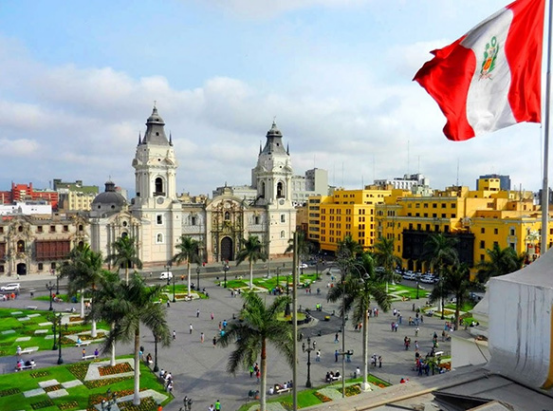
Peru, a nation blessed with abundant natural resources and a rich cultural heritage, often finds itself entangled in a complex web of geographical challenges, economic dependencies, and persistent political instability. This pillar page delves deep into the multifaceted dilemmas that have historically shaped Peru’s trajectory, exploring how its diverse landscape, reliance on mining, and a revolving door of presidential power contribute to a unique national burden. From the towering Andes to the vast Amazon, and from glittering gold mines to a fragmented political landscape, we uncover the intricate connections that perpetuate cycles of hope and disillusionment, while also examining potential pathways towards a more stable and prosperous future for this South American nation.

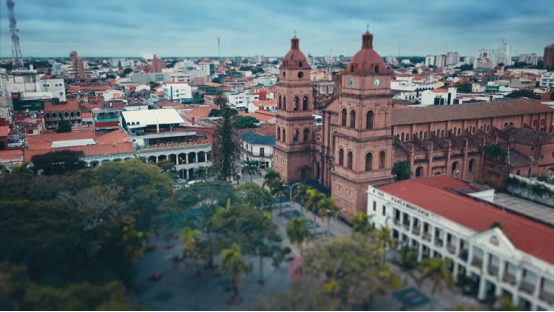
Bolivia stands as a profound paradox in South America: a nation sitting atop staggering mineral wealth yet grappling with persistent poverty and the psychological weight of being landlocked. From the colonial-era silver mines of Potosí to the modern-day “white gold” of the Salar de Uyuni, this article explores the historical, geopolitical, and economic forces that have shaped Bolivia’s struggle to translate natural resources into sustainable prosperity.

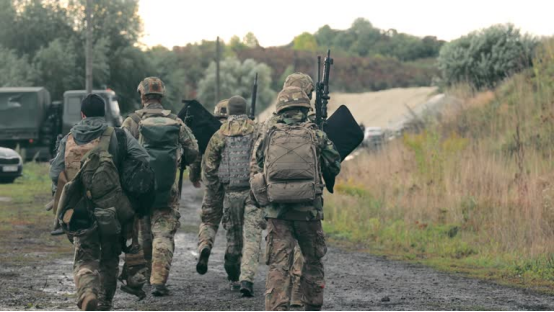
As the Russia-Ukraine conflict extends into 2025, the dynamics have shifted from rapid maneuvers to a grueling war of attrition. This guide provides an in-depth analysis of the complex interplay between battlefield realities, Ukraine’s profound human and economic challenges, Russia’s resilient war economy, and the stalled international diplomatic efforts. We explore the critical factors shaping the conflict’s trajectory, including technological adaptation, manpower shortages, the impact of global sanctions, and the precarious future of Western support in a volatile geopolitical landscape.