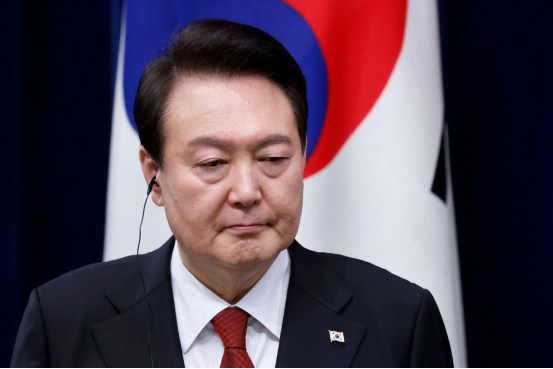
South Korean Political Transformation: From Yoon’s Impeachment to Lee Jae-myung’s Rise
The Collapse of the Yoon Seok-yeol Administration
The presidency of Yoon Seok-yeol concluded in a period of unprecedented volatility, marked by a legislative deadlock and a public outcry that ultimately led to his removal. The administration struggled to maintain a stable governing coalition, frequently clashing with an opposition-controlled National Assembly, which paralyzed policy execution and fueled public dissatisfaction.
Drivers of Political Instability
- Legislative Gridlock: The inability of the ruling party to pass key fiscal and social reforms created a vacuum of governance.
- Public Sentiment: Declining approval ratings were exacerbated by domestic economic pressures and perceived diplomatic missteps.
- Institutional Friction: The persistent tension between the executive branch and the judiciary/legislature set the stage for the impeachment process.

The Impeachment Process: A Five-Month Timeline
The impeachment of President Yoon was not a singular event but a protracted constitutional struggle that spanned five months. This period was defined by intense legal scrutiny and public demonstrations. The procedural necessity of verifying the constitutional violations required a meticulous review of evidence, which extended the transition period and deepened the national divide.
Stages of the Crisis
The constitutional court and parliamentary committees had to navigate complex legal frameworks to ensure the legitimacy of the removal. This included:
- Evidence Gathering: Extensive investigations into administrative conduct and potential abuses of power.
- Constitutional Deliberation: Debates regarding the threshold for “grave violations of the law” required for permanent removal.
- Interim Governance: The challenges of maintaining national security and economic policy while the head of state faced suspension.

Lee Jae-myung’s Victory and New Political Trajectories
The election of Lee Jae-myung represents a significant pivot in South Korean domestic and foreign policy. As a seasoned politician with a strong populist base, Lee’s administration is expected to focus on structural reforms to the South Korean economic model and a recalibration of its diplomatic posture.
Policy Priorities
| Policy Area | Shift from Previous Administration |
|---|---|
| Economic Policy | Increased focus on welfare and wealth redistribution. |
| Diplomatic Strategy | A more nuanced approach to balancing U.S.-China interests. |
| Domestic Governance | Strengthening parliamentary cooperation. |

Reshaping U.S.-South Korea Relations
The transition to Lee Jae-myung’s leadership carries profound implications for the U.S.-ROK alliance. While the core security partnership remains durable, the strategic alignment may shift toward greater autonomy. Lee’s administration is likely to prioritize South Korea’s national interests in the context of increasing regional competition, necessitating a more flexible diplomatic framework with Washington.
Frequently Asked Questions (FAQ)
- Q1: Why was President Yoon Seok-yeol impeached?
- The impeachment was the culmination of sustained political gridlock, allegations of administrative overreach, and a significant decline in public trust, which led the National Assembly to trigger constitutional removal proceedings.
- Q2: How long did the political crisis last?
- The formal process of removal and transition spanned five months, characterized by intense legal review and a period of governance uncertainty.
- Q3: What does Lee Jae-myung’s victory mean for the economy?
- Lee’s presidency is expected to lean toward more interventionist economic policies, focusing on social safety nets and addressing the disparities created by rapid industrialization.
- Q4: Will the U.S.-South Korea alliance change under the new administration?
- While the alliance remains a cornerstone of South Korean security, the new leadership is anticipated to advocate for a more balanced diplomatic approach that accounts for South Korea’s complex regional dependencies.