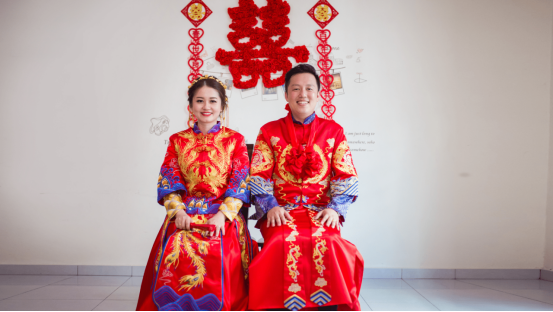
Marriage trends and modern life choices among Chinese Malaysians
The decline in marriage rates
In recent years, the marriage rate among the ethnic Chinese population in Malaysia has shown a significant downward trend. According to official statistics, the marriage rate among ethnic Chinese has dropped by approximately 33% over the past six years , while the marriage rate among other ethnic groups has increased by 47% over the same period . This phenomenon has sparked widespread concern and discussion: Why are ethnic Chinese in Malaysia increasingly reluctant to marry?
It’s worth noting that this trend isn’t directly related to financial pressure. Malaysia’s property system offers 99-year or permanent leasehold properties , making home ownership a less significant barrier to marriage. In other words, housing issues aren’t the primary reason young Chinese are delaying marriage.
Attitudes toward children and enthusiasm for having children
Some might speculate that low marriage rates may lead to a decline in fertility. However, the fertility situation among Malaysia’s Chinese community shows that families remain enthusiastic about having children. For example, infant care facilities and nurseries are often full, indicating that the desire to have children remains strong.
At the same time, the divorce rate remains stable, indicating that family structure has not been seriously impacted by the low marriage rate. This suggests that the decline in marriage rates is not due to a rejection of family or partners, but rather is closely related to changes in social culture and individual choices.
A cultural orientation that prioritizes education and career
Chinese society has long emphasized education and career development, and this cultural concept remains deeply rooted among contemporary young people. In the values of most young Chinese, studies, career, and personal growth often take precedence over marriage.
The younger generation, around 25 years old, may focus on starting a career or furthering their academic studies.
The more mature generation may choose to complete higher education or obtain an MBA around the age of 35.
Marriage and family become options, not necessities of life
This phenomenon shows that the pursuit of personal achievement has become an important part of life for modern Chinese people, while marriage and childbirth can be arranged flexibly and are no longer choices forced by social pressure.
The influence of multiculturalism
Malaysia is a multicultural country where Malays, Indians, Chinese, and other ethnic minorities have long coexisted. This cultural environment has had a profound impact on the life choices of young Chinese:
Diversified lifestyles : Young people can choose a variety of lifestyles, not just limited to traditional family models
Career and interests are equally important : In a multicultural environment, young people have more opportunities to pursue their personal interests, start businesses, or develop across fields.
Modernization of marriage concepts : Marriage is no longer seen as the only sign of adulthood or social recognition, but has become part of personal choice
This multicultural environment encourages young Chinese people to discover various possibilities in life beyond marriage and family.
Social attitudes and personal choices
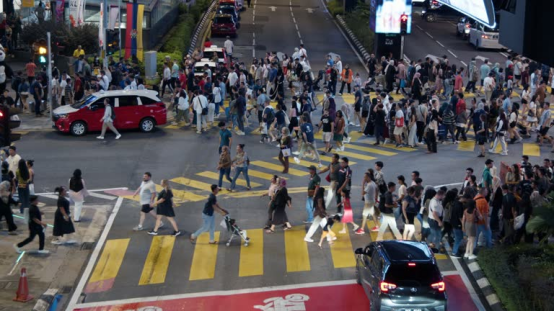
In urban areas, especially in Kuala Lumpur, Penang and Johor, young Chinese generally show a pursuit of personal freedom and autonomy in life:
Delayed marriage : Many people choose to marry after their careers are stable or their financial conditions allow.
Non-marital partnerships : Cohabitation and long-term partnerships are gradually becoming accepted
Interests and social activities : Travel, social activities, entrepreneurship or self-improvement become an important part of life
These choices reflect the high importance that young Chinese in modern society attach to personal quality of life and self-realization.
Changing attitudes towards marriage and wealth
Modern Chinese also have a new understanding of the relationship between marriage and wealth:
Marriage is no longer a financial guarantee : Home purchases and wealth accumulation are no longer directly linked to marriage.
Personal financial freedom : Young people tend to invest in education, entrepreneurship, or hobby projects rather than marriage as a financial tool.
Choosing a partner rationally : choosing a partner focuses more on matching life values and emotional compatibility rather than social pressure or traditional customs.
This change shows the rationalization and diversification of young Chinese people’s choices in marriage and family.
The impact of delayed marriage on social structure
Low marriage rates may have certain impacts on social structure:
Demographic changes : Late marriage or low marriage rates may lead to slower population growth
Adjustments in social service needs : Childcare, educational resources, and housing needs may change
Adjustment of cultural values : Traditional family values gradually merge with modern values
However, this change does not mean the disappearance of the Chinese community, but rather reflects the evolution and diverse choices of social lifestyles.
Modern Chinese life
Influenced by a multicultural environment and a priority for education, Malaysian Chinese have discovered that life has more possibilities:
Career Development : Pursue academic or professional achievements
Personal interests : Travel, entrepreneurship, art and other fields
Non-traditional family models : late marriage, no marriage partner, and choosing single life
This lifestyle not only embodies personal freedom, but also highlights the adaptability and diversity of the Malaysian Chinese community in the face of social changes.
Social Observations and Future Trends
In the future, the marriage and fertility trends of Chinese Malaysians are likely to continue to maintain slow growth or remain stable. The continued influence of social policies, economic environment, education system and multiculturalism will continue to shape the choices of the younger generation:
Education and career remain top priorities
Marriage and childbearing timing will be more flexible
Increased social acceptance of diverse families and lifestyles
This means that although the marriage rate is declining, the Chinese community will not disappear, but will exist in society in a more modern and diversified form.
Summarize
The decline in the marriage rate among Chinese Malaysians reflects the high importance that modern young people place on education, career and personal freedom.
Marriage is no longer an inevitable choice under social pressure
The desire to have children still exists, but the timing and method are more flexible
A diverse cultural and social environment provides a wealth of life choices
This trend demonstrates the adaptability and diversity of choices of the modern Chinese community under the impact of globalization and multiculturalism, and also reveals the evolution of social lifestyles.