A must-read for traveling abroad: Why you are absolutely not allowed to take photos when going through customs?
Traveling abroad is an experience that many people dream of, and with the prevalence of social media today, recording every moment of the journey seems to have become a “standard feature”. Checking in at the airport, taking selfies on the plane, and even some people want to capture the moment of going through customs and upload it to Instagram or TikTok. However, did you know that in most countries, taking photos or videos in the customs area is strictly prohibited , and this behavior may not only get you into legal trouble, but may also lead to deportation or even a fine.
Why is such a seemingly harmless action so sensitive? This article will take you to an in-depth understanding of why taking photos is prohibited, the relevant laws in different countries, real cases, and how to avoid pitfalls while ensuring the experience as a traveler.
Why is taking photos strictly prohibited at customs?
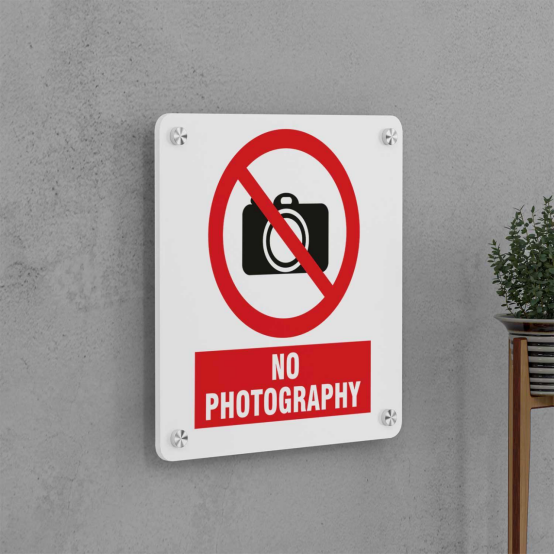
Many people mistakenly believe that “no photography” is only a “weird rule” in some countries, but the fact is that this is an international rule that is almost universal around the world . Whether you are at New York JFK Airport, London Heathrow Airport, or Kuala Lumpur International Airport, you can see the eye-catching “No Photography” sign.
There are three core reasons:
1. National security issues
Customs areas are the first line of defense for national security. Filming may reveal the following information:
Security facility layout (camera locations, patrol routes)
Check procedure details (how to screen high- risk travelers)
How border officials work
Once these photos are made public, terrorist organizations, smuggling gangs and other criminals may exploit information loopholes and undermine border control.
2. Protect passenger privacy
The computer screens at the customs window and the X-ray machine monitors usually display the passenger’s passport, visa, and even biometric data (fingerprints, facial features). If these images are photographed and uploaded, it may lead to serious consequences such as identity theft and financial fraud .
3. Avoid interfering with on-duty work
When passing through customs, officials need to pay full attention. Taking photos can easily arouse suspicion or even security alerts, delaying everyone’s time. In some countries, the law regards it as interference with official duties .
Myth: Just because someone else has taken a photo of you and it’s OK doesn’t mean you’re safe too
Many people are lucky enough to say, “I see someone taking pictures, but no one cares.” The fact is, this is just a matter of luck, not a “gray area” of the rules.
Most airports around the world do this:
At the very least, they will be asked to delete the photos on the spot.
Moderate penalty : Recording of traveler information, affecting future visas or re-entry
Severe cases : fines, detention, or even refusal of entry
According to U.S. Customs and Border Protection (CBP):
Filming in customs and immigration inspection areas may violate federal regulations
You may face a fine of up to $1,000
Taking photos of sensitive equipment or officials’ faces could be considered a national security threat
In Canada , the Privacy Act clearly states that filming officials without permission may violate the provisions of interfering with law enforcement . In Singapore and Thailand, violations may even result in the seizure of equipment and records, affecting future entry.
Comparison of countries: customs photography regulations
| Country | Summary of regulations | Possibility of punishment |
| USA | CBP explicitly prohibits filming at checkpoints, with a maximum fine of $1,000 for violations | high |
| U.K. | UK Border Agency restricts filming in customs and security areas, possible deportations | middle |
| Australia | Photography is prohibited in the customs area. Violations may result in the confiscation of equipment and a warning record. | high |
| Singapore | Customs prohibits filming, and serious cases may result in fines or detention | high |
| Japan | The regulations are strict, especially when it comes to security equipment, and violations will result in forced deletion of filmed content | middle |
This means: even if you think you are just “taking a commemorative photo”, in the eyes of border management, it is a serious violation.
Real case: A photo shoot caused a lot of trouble
Case 1: The cost of Thai airports
In 2023, during the Songkran Festival in Thailand, a tourist took a selfie while queuing at customs and took a photo of the customs computer screen, which was discovered by officials. She was asked to delete all the photos on the spot, but the matter did not end there: she was taken to the “secondary inspection room” for a 45-minute questioning and was recorded as “violating airport regulations”, which directly affected her next visa application.
Case 2: A travel blogger at Los Angeles International Airport
filmed a “border inspection vlog” at LAX Airport, not only photographing officers on duty, but also exposing part of the security inspection process. CBP immediately intervened, confiscated the camera, deleted the video, and gave a verbal warning. The blogger’s content on the video platform was forced to be removed, and he was specially inspected for the second time within six months.
What do legal experts think?
International aviation law experts pointed out:
“It is usually legal to take photos of public areas in airports, but once it involves ‘security zones’, it is strictly regulated. This is not only about protecting national interests, but also about preventing privacy leaks. For travelers, the cost is far greater than a photo.”
How to correctly record travel moments?
When traveling, we certainly want to preserve the good memories, but there are legal and safe alternatives :
Obey airport signs : Put away your phone when you see “No Photography”.
Taking photos in public areas : Taking photos is usually allowed in arrival halls and waiting areas, but try to avoid taking photos of other people’s passport information.
Express your experience in words or later : You can write a travel diary or take a photo of your passport page after the customs stamp (be sure to cover any sensitive personal information).
Check local laws : Search Google for “[country] + airport photography rules” to find out the regulations ahead of time.
Why is this rule important?
In the digital age, the cost of information leakage is very high. Photographing customs may lead to:
Transnational security risks : sensitive facilities exposed
Personal privacy compromised : stolen passport information
Travel plans affected : fines, detention, denial of entry
To sum up in one sentence: this behavior is not “cool” but “dangerous”.
What do you think?
Have you ever seen someone take photos at an airport? If you were a travel blogger, what would you choose to shoot instead of going through customs? Feel free to share your views in the comments section to let more people know that some “shots” are really not worth the risk.