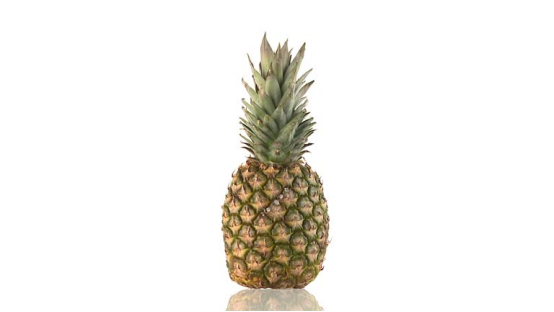
Pineapple, pineapple or pineapple? A fruit journey across languages and cultures
When you walk into a Southeast Asian market and see piles of golden tropical fruits, you may wonder: Is it a pineapple, a pineapple, or a pineapple? Behind these names, there is not only a language difference, but also a culture and history that spans the ocean.
This article will take you from its botanical origins, explore the origins of its different names, understand the place of this fruit in Malaysia, and how it has become part of the local culture.
From South America to Southeast Asia: The pineapple’s global journey
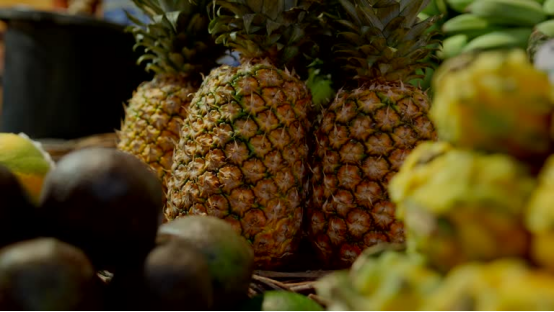
The pineapple, which is common today, is scientifically known as Ananas comosus . It is native to tropical South America and was first domesticated by Indian tribes. In ancient times, it was not only food, but also a symbol of social status. Archaeologists have discovered that the Incas even offered this fruit in religious ceremonies.
In the 16th century, Portuguese explorers brought pineapples out of the Americas, and with colonization and trade, they quickly spread around the world. In 17th century Europe, pineapples were scarce and expensive, and only the royal family and the nobility could enjoy them. Some people even paid a high price just to rent a pineapple to put at a banquet as a symbol of status.
In British history, pineapples have even become an inspiration for architectural design. The Pineapple House in Scotland is a product of the 18th century luxury trend and is still a popular check-in spot.
Coming to Asia, pineapple left its mark in Malacca. Portuguese colonists introduced this fruit to the Malay Peninsula, where the favorable climate allowed it to take root quickly. Later, when Chinese immigrants from Fujian and Chaoshan saw this exotic fruit for the first time, they gave it a name that carries a blessing: yellow pear.
The Mystery of Names: The Stories of Pineapple, Ananas, and Pineapple
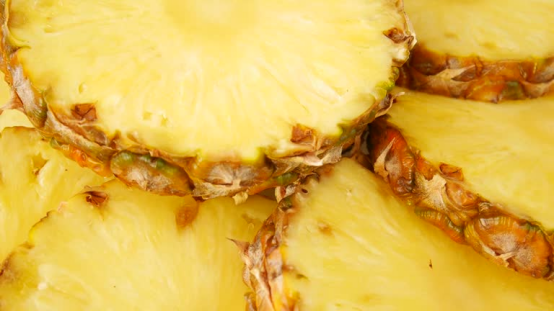
Why does the same fruit have so many names in different regions?
Pineapple
comes from the early Portuguese transliteration of “abacaxi”. It first appeared in the literature of mainland China and became a common name.
Pineapple
is commonly called pineapple in Taiwan and parts of Southeast Asia, which carries the noble and auspicious meaning of the word “phoenix”. During the Lunar New Year, this name seems particularly festive.
Huang
Li, which comes from the Fujian dialect “Wang Lai”, meaning good luck. During the Spring Festival, Pineapple Tarts become a must-have snack.
These names are more than just linguistic differences; they reflect cultural identities and the emotional value humans place on food.
Pineapple fever in Malaysia: From dining table to cultural symbol
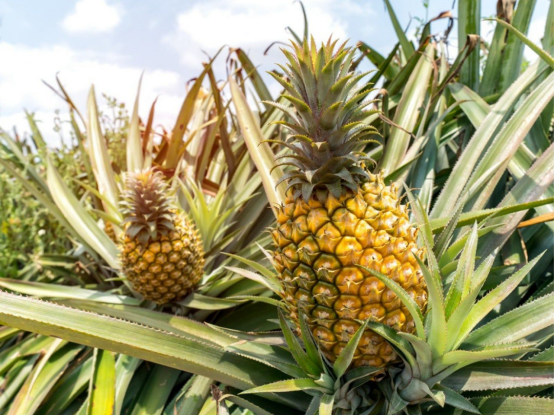
In Malaysia, pineapples are more than just a fruit; they are a cultural symbol. From street vendors to high-end restaurants, pineapple drinks, desserts and preserved foods are everywhere. During the Chinese New Year, pineapples appear in gift boxes along with citrus and rice cakes as a symbol of wealth and good luck.
MDR Pineapple: A Local Star Variety
In the local market, MDR pineapple is the most popular. It has a crispy, sweet and juicy flesh and is known as the “national fruit besides durian”. Many tourists go to the farm to experience picking pineapples and even take photos and check in, treating this fruit as a cultural symbol of their journey.
What’s more interesting is that pineapples are not only used for food in Malaysia, but also for industrial applications. Pineapple fibers have become materials for making environmentally friendly fabrics, handbags and even shoes. Today, pineapple leather is gaining popularity in the international environmentally friendly fashion industry and is regarded as an important solution for sustainable fashion.
More than 1,000 varieties? The hidden superstar of the fruit world
According to the Food and Agriculture Organization of the United Nations, there are more than 1,000 pineapple varieties in the world , including the following common varieties:
Smooth Cayenne : Juicy and sweet, suitable for fresh eating and processing.
Queen : Small in size and extremely sweet.
Red Spanish : It is durable and often used in canning.
This variety of varieties not only gives consumers more choices, but also promotes the development of food and agricultural technology. For example, the Philippines’ “MD2” variety has become a new favorite in the international export market due to its taste and longer shelf life.
The cultural symbol behind the name: the symbolism of the pineapple around the world
In Southeast Asia, pineapples are a symbol of good luck during festivals; in the West, pineapples represent “hospitality.” Architectural decorations in the southern coastal areas of the United States still retain pineapple patterns, and even have “pineapple door knockers” to welcome guests. It also frequently appears in tattoos and home designs, becoming a cross-cultural social symbol.
Interestingly, in the Caribbean, pineapple is not only part of food culture, but also the soul of cocktail culture. For example, the classic cocktail Piña Colada has become the national drink of Puerto Rico since 1978.
Nutritional Value and Health Benefits
In addition to its cultural significance, pineapple is also a fruit with a nutritious score. It is rich in vitamin C, manganese and dietary fiber , which helps to enhance immunity and promote digestion. Bromelain in pineapple has even been studied for its use in relieving inflammation, accelerating exercise recovery and improving digestion.
However, please note that pineapple is highly acidic and eating it on an empty stomach may irritate the stomach, so it is healthiest to enjoy it in moderation.
From dining table to eco-friendly fashion: the future of pineapples
With the rise of environmental awareness, the pineapple industry is moving towards a “zero waste” model. Pineapple peels, leaves and cores were once considered waste, but now they have become sustainable resources. Many global brands have launched biodegradable clothing and handbags based on pineapple fibers, which are environmentally friendly and fashionable.
In the future, pineapple will not only be a star in the food industry, but is also likely to create new economic models in the fields of sustainable materials, green packaging, functional foods , etc.
Which name do you prefer?
Pineapple, ananas or pineapple? Whichever name you choose, it carries a tangled web of history, culture and taste. The next time you cut into this golden fruit, will you think of its journey across the ocean?
If you have seen interesting fruit culture during your travels, or have your own unique way of eating, please share in the comments! In what areas do you think pineapples can achieve “cross-border” innovation? Let’s talk about it.