Ultimate Thailand Travel Guide 2025: Safety, Culture & Must-See Sites
Thailand remains one of the most captivating destinations globally, blending ancient traditions with a rapidly modernizing tourism infrastructure. As we move into the second half of 2025, the landscape for travelers has evolved, requiring a more nuanced understanding of safety, digital integration, and seasonal shifts. This pillar page serves as a definitive resource for those planning to explore the Land of Smiles, ensuring your journey is as seamless as it is memorable.
Understanding Thailand’s Travel Landscape in 2025
The travel environment in 2025 is characterized by a “quality over quantity” approach. The Thai government has implemented several initiatives to ensure sustainable tourism, which impacts how visitors interact with local sites. From updated visa-on-arrival policies to the widespread adoption of digital payment systems like PromptPay (available to some foreigners via specific apps), staying informed is the first step toward a successful trip.
The Shift Toward Sustainable and Conscious Travel
In 2025, there is a significant emphasis on preserving Thailand’s natural beauty. Many national parks now have strict visitor caps and “rest periods” where they close to the public to allow ecosystems to recover. Travelers are encouraged to book in advance and respect these environmental boundaries. Furthermore, the cultural landscape remains deeply rooted in respect; understanding the “wai” (the traditional greeting) and the importance of the monarchy is more critical than ever as the country navigates its modern identity.

Navigating the Rainy Season: Is Summer Travel Worth It?
Traveling to Thailand during the summer months—typically June through October—means encountering the southwest monsoon. While many fear the “rainy season,” it offers a unique set of advantages and challenges that every traveler should weigh carefully. This period is often referred to as the “Green Season” due to the lush, vibrant landscapes that emerge.
Pros and Cons of Summer Travel
| Factor | Advantages | Disadvantages |
|---|---|---|
| Cost | Significant discounts on luxury resorts and flights. | Some island ferries may be cancelled due to rough seas. |
| Crowds | Major sites like the Grand Palace are far less congested. | Popular indoor venues may become crowded during downpours. |
| Scenery | Waterfalls are at their peak and rice paddies are neon green. | High humidity and potential for localized flash flooding. |
Practical Tips for the Monsoon Season
If you choose to visit during this time, flexibility is your best friend. Tropical rain usually comes in short, intense bursts rather than lasting all day. Always carry a high-quality poncho (available at any 7-Eleven) and wear waterproof footwear. It is also advisable to monitor the Thai Meteorological Department’s updates, especially if you plan on visiting the Andaman Coast, which sees higher rainfall than the Gulf of Thailand during these months.

Essential Safety Protocols and Common Obstacles
While Thailand is generally safe for tourists, certain obstacles and scams persist. Awareness is the most effective tool for prevention. From transportation hurdles to sophisticated street scams, knowing what to look for can save you time and money.
Common Scams to Avoid
- The “Grand Palace is Closed” Scam: Tuk-tuk drivers may tell you a major attraction is closed for a “holiday” and offer to take you to a “lucky Buddha” or a jewelry shop instead. Always check the entrance yourself.
- The Jet Ski/Motorbike Damage Scam: Rental operators may claim you damaged the vehicle and demand exorbitant repair fees. Always take detailed photos and videos of the vehicle before renting.
- The Overpriced Taxi: In cities like Bangkok, drivers may refuse to use the meter. Insist on the meter or use ride-hailing apps like Grab or Bolt to ensure fair pricing.
Health and Physical Safety
Road safety remains a primary concern. Thailand has one of the highest road traffic fatality rates in the world, particularly involving motorcycles. If you are not an experienced rider with a valid International Driving Permit (IDP), avoid renting a scooter. Additionally, be mindful of food safety; while street food is a highlight, choose stalls with high turnover and visible hygiene practices to avoid “Bangkok Belly.”

Top Attractions to Visit and Tourist Traps to Avoid
Thailand offers a mix of world-renowned landmarks and hidden gems. However, not every “popular” spot is worth your time. In 2025, the savvy traveler seeks authenticity over social media hype.
Must-See Attractions
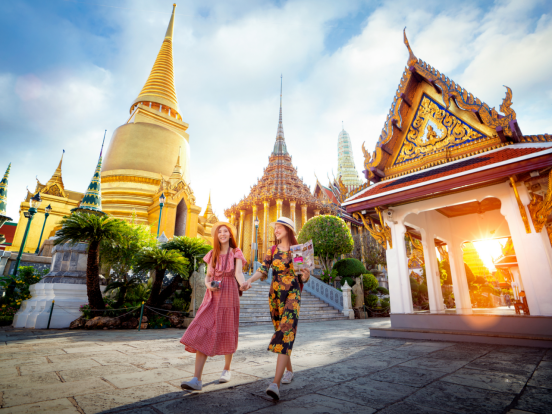
- The Grand Palace & Wat Phra Kaew (Bangkok): Despite the crowds, the architectural detail and spiritual significance are unmatched. Arrive at opening time (8:30 AM) to beat the heat.
- Railay Beach (Krabi): Accessible only by boat, this area offers stunning limestone cliffs and world-class rock climbing.
- Chiang Mai Old City: A hub for culture and history, featuring over 300 temples and a vibrant night market scene.
- Khao Sok National Park: For an immersive nature experience, stay in a floating bungalow on Cheow Lan Lake.
Places to Approach with Caution (Potential Traps)
Some locations have become overly commercialized. The Damnoen Saduak Floating Market, while iconic, is often cited as a tourist trap with inflated prices and aggressive vendors. For a more authentic experience, consider the Taling Chan or Khlong Lat Mayom markets. Similarly, be wary of “Animal Sanctuaries” that allow direct interaction like riding or bathing; look for “Hands-Off” sanctuaries that prioritize animal welfare over tourist entertainment.

Cultural Insights and Fascinating Facts for Travelers
Deepening your understanding of Thai culture will enrich your interactions with locals. Thailand is a constitutional monarchy where the King is held in the highest regard, and these values permeate daily life.
Ten Interesting Facts for Context
- The Head is Sacred: Never touch a Thai person’s head, as it is considered the most sacred part of the body.
- Feet are Lowly: Conversely, feet are considered the dirtiest part of the body. Never point your feet at people, Buddha images, or the King.
- The Land of Smiles: There are actually 13 different types of Thai smiles, each conveying a different emotion, from apology to genuine joy.
- Respect the Monarchy: Criticizing the royal family is a serious crime (Lèse-majesté) and can lead to imprisonment.
- Spirit Houses: You will see small “spirit houses” outside most buildings. These are meant to provide a home for the spirits of the land so they don’t cause trouble in the main house.

Practical Planning for a Seamless Thai Adventure
Success in Thailand often comes down to the details of your preparation. As digital nomads and travelers flock back to Southeast Asia, logistics have become more streamlined but require foresight.
Connectivity and Currency
Upon arrival, purchasing a local SIM card (AIS, TrueMove, or DTAC) is highly recommended for navigation and translation apps. While cash (Thai Baht) is still king in rural areas and markets, many establishments in cities now accept credit cards. However, always carry small denominations for public transport and street vendors. Pro Tip: Use ATMs located inside banks to avoid card skimming and high withdrawal fees.
Packing Essentials for 2025
Given the tropical climate, lightweight, breathable fabrics like linen or moisture-wicking synthetics are essential. However, remember that modest dress is required for temples—shoulders and knees must be covered. Carrying a light sarong in your daypack is a versatile solution for unexpected temple visits.
Frequently Asked Questions (FAQ)
- Q1: Is Thailand safe for solo female travelers in 2025?
- Yes, Thailand is widely considered one of the safest countries for solo female travelers. Standard precautions apply: avoid unlit areas at night, keep an eye on your drink in party hubs like Koh Phangan, and use reputable transport apps. The local culture is generally respectful and helpful toward visitors.
- Q2: Do I need a visa to visit Thailand in the second half of 2025?
- Visa policies frequently change. As of 2025, many nationalities benefit from a 60-day visa-free entry. However, you must check the latest updates from the Thai Ministry of Foreign Affairs or your local embassy before booking, as requirements for “ETAs” (Electronic Travel Authorizations) are being phased in for certain regions.
- Q3: What is the best way to get around Bangkok?
- The BTS Skytrain and MRT Subway are the most efficient ways to avoid Bangkok’s notorious traffic. For areas not covered by rail, use ride-hailing apps like Grab. Canal boats (Khlong boats) are also a fast and very cheap way to traverse the city’s east-west axis, though they require a bit of agility to board.
- Q4: Can I drink the tap water in Thailand?
- No, tap water in Thailand is not considered safe for drinking. Most locals and tourists rely on bottled water or filtered water machines. It is generally safe to use tap water for brushing your teeth, and ice in reputable restaurants is usually made from purified water.
- Q5: How much should I tip in Thailand?
- Tipping is not traditionally part of Thai culture, but it is increasingly common in tourist areas. In small local eateries, leaving the change is sufficient. In mid-to-high-end restaurants, a 10% service charge is often included; if not, a 10% tip is appreciated. For tour guides and massage therapists, a tip of 50-100 Baht is a kind gesture for good service.