Timeless Destinations: A Global Guide to Historic Cities
Cultural Fusion and Heritage Preservation
The world is dotted with cities that act as living museums, preserving centuries of human endeavor within their walls. From the colonial architecture of Macau to the medieval canals of Bruges, these urban centers offer a profound look into our shared history.
The East-West Synthesis in Macau
Macau serves as a quintessential example of historical syncretism. For over four centuries, it functioned as the primary bridge between the Portuguese Empire and the Ming and Qing dynasties. This unique positioning fostered a hybrid culture, visible in the blend of baroque churches and traditional Chinese temples.
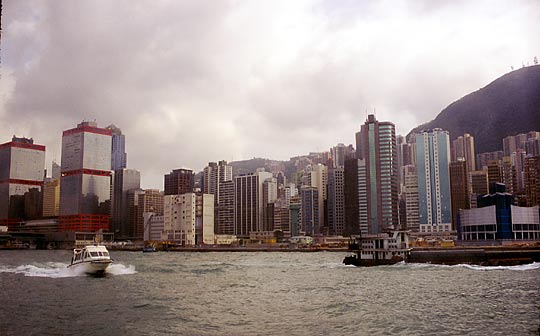
- Architectural Dualism: The juxtaposition of the Ruins of St. Paul’s against the backdrop of modern skyscrapers highlights the city’s evolution.
- Culinary Heritage: Macanese cuisine is a direct result of this cultural fusion, utilizing spices brought from Africa and India by Portuguese sailors combined with Cantonese cooking techniques.

Medieval European Urban Planning
European history is often best read through the streets of its oldest cities. Bruges and Dordrecht represent the pinnacle of medieval urban development, where water management and trade routes defined the social and economic fabric of the region.
Bruges: The Golden Dream of Flanders
Often referred to as the “Venice of the North,” Bruges maintains a near-perfect medieval core. Its prosperity during the Middle Ages was tied to the wool and cloth trade, leading to the construction of grand merchant houses that still line the canals.
Dordrecht: The Oldest Tenderness of the Netherlands
Dordrecht offers a more intimate look at Dutch history. As the oldest city in the province of Holland, it was a vital hub for trade. Its historic harbor area remains a testament to the maritime power that once dominated the Dutch Republic.

The Labyrinths and Colors of Morocco
Moroccan imperial cities offer a sensory experience that contrasts sharply with European or Asian urban models. The focus here is on the intimacy of the Medina and the symbolic use of color.
Meknes: The Imperial Labyrinth
Meknes, a UNESCO World Heritage site, showcases the grandeur of the Alaouite dynasty. Its medina is a complex web of alleys, markets, and monumental gates like the Bab Mansour, which serves as a prime example of decorative Islamic architecture.
Chefchaouen: The Blue Fairytale
Nestled in the Rif Mountains, Chefchaouen is world-renowned for its striking blue-washed buildings. This tradition, rooted in religious and cultural significance, creates an ethereal atmosphere that transcends the typical aesthetic of mountain settlements.

Comparative Analysis of Historic Centers
While geographically diverse, these cities share a common thread of preservation and cultural identity. The following table highlights their primary historical value propositions.
| City | Primary Historical Era | Architectural Style |
|---|---|---|
| Macau | 16th-20th Century | Portuguese-Chinese Hybrid |
| Bruges | 12th-15th Century | Gothic & Medieval |
| Meknes | 17th Century | Moorish-Islamic |
| Chefchaouen | 15th Century | Andalusian-Moroccan |
| Dordrecht | 13th Century | Dutch Maritime Gothic |
Frequently Asked Questions (FAQ)
- Q1: Why is Macau considered a bridge between East and West?
- Macau was the first and last European colony in East Asia, serving as the primary trading port for over 400 years, which facilitated the exchange of religion, architecture, and culinary traditions.
- Q2: What makes the Medina of Meknes unique compared to other Moroccan cities?
- Meknes is known for its massive defensive walls and monumental gates, reflecting the power of Sultan Moulay Ismail, who transformed it into an imperial capital.
- Q3: Why are the buildings in Chefchaouen painted blue?
- While theories vary, the tradition is often attributed to Jewish refugees in the 1930s who painted the walls blue to symbolize the sky and heaven.
- Q4: How does Dordrecht differ from Amsterdam in terms of historical preservation?
- Dordrecht is significantly older and provides a more authentic, less tourist-heavy look at medieval Dutch urban life compared to the more modernized infrastructure of Amsterdam.