The Ultimate Japan Travel Guide: Tokyo, Kyoto, Osaka & More
Introduction: Your Ultimate Journey to Japan
Japan, a land where ancient traditions gracefully coexist with futuristic innovation, offers an unparalleled travel experience. From the neon-lit skyscrapers of Tokyo to the serene temples of Kyoto and the gastronomic delights of Osaka, the country promises a journey filled with discovery, cultural immersion, and breathtaking beauty. This comprehensive guide serves as your definitive resource for planning an unforgettable trip, meticulously detailing itineraries, essential travel tips, and insights into the heart of Japanese culture. Whether you’re a first-time visitor or a seasoned explorer, prepare to dive deep into the wonders of the Land of the Rising Sun.
Why Japan? A Blend of Tradition and Modernity
The allure of Japan lies in its captivating contrasts. One moment you could be strolling through a tranquil Zen garden, and the next, you’re enveloped in the bustling energy of a Shibuya crossing. This dynamic interplay is evident in every aspect of Japanese life, from its meticulously preserved historical sites to its cutting-edge technology and vibrant pop culture. The country’s rich history is showcased in its numerous UNESCO World Heritage sites, while its forward-thinking approach is visible in its efficient public transport and technological advancements. This unique blend creates a travel experience that is both deeply enriching and constantly surprising.
- Cultural Depth: Experience traditional arts like tea ceremonies, kimono wearing, and Noh theatre.
- Technological Marvels: Witness the efficiency of the Shinkansen (bullet train) and explore futuristic districts.
- Natural Beauty: From cherry blossoms in spring to vibrant autumn leaves and majestic Mount Fuji.
- Culinary Excellence: Savor world-renowned cuisine, from Michelin-starred restaurants to street food stalls.
Planning Your Trip: Key Considerations
A successful trip to Japan requires thoughtful planning, especially given the country’s diverse offerings and unique cultural nuances. Understanding the best time to visit, visa requirements, budget allocation, and essential packing items can significantly enhance your experience. Consider the length of your stay, as a 5-day trip might focus on one major city, while a 7-day or longer itinerary allows for multi-city exploration. Early booking for accommodations and popular attractions is always recommended, particularly during peak seasons like cherry blossom (spring) and autumn foliage.
- Best Time to Visit: Spring (March-May) for cherry blossoms; Autumn (September-November) for vibrant foliage. Summer can be hot and humid, winter cold but less crowded.
- Visa Requirements: Many nationalities enjoy visa-free entry for short tourist stays (typically up to 90 days). Always check specific requirements for your country.
- Budgeting: Japan can be expensive, but smart planning with accommodation, food choices, and transportation passes can help manage costs.
- Packing Essentials: Comfortable walking shoes, adapter, portable Wi-Fi or SIM card, and layers of clothing suitable for the season.

Tokyo: The Vibrant Heart of Japan
Tokyo, Japan’s sprawling capital, is a metropolis that never sleeps, a city of endless discovery where ancient shrines stand in the shadow of towering skyscrapers. It offers an exhilarating mix of traditional culture, cutting-edge fashion, world-class dining, and vibrant nightlife. Navigating Tokyo can seem daunting at first due to its sheer size, but its incredibly efficient public transportation system makes exploration a breeze. This section will guide you through its most iconic districts and experiences, ensuring you capture the essence of this dynamic city.
Exploring Tokyo’s Diverse Districts
Each district in Tokyo boasts its own unique character and attractions, offering a microcosm of the city’s diverse appeal. From the fashionable streets of Shibuya and Shinjuku to the historic charm of Asakusa and the tech-haven of Akihabara, there’s a district to suit every interest. Understanding these distinct areas helps in planning your daily excursions and maximizing your time in the city.
- Shibuya: Famous for the iconic Shibuya Crossing, trendy fashion boutiques, and lively nightlife. It’s a hub for youth culture and entertainment.
- Shinjuku: Home to the bustling Shinjuku Station, the Tokyo Metropolitan Government Building offering free panoramic views, and the vibrant Kabukicho entertainment district.
- Asakusa: Step back in time at Senso-ji Temple, Tokyo’s oldest temple, and explore Nakamise-dori market for traditional souvenirs and snacks.
- Akihabara: The electric town, a paradise for anime, manga, video game, and electronics enthusiasts, filled with multi-story shops and themed cafes.
- Ginza: Tokyo’s upscale shopping district, featuring luxury brands, department stores, and high-end dining experiences.

Iconic Landmarks and Experiences in Tokyo
Beyond its distinct districts, Tokyo is dotted with landmarks that offer unique perspectives on its history, culture, and modern ambitions. From serene green spaces to architectural marvels, these sites are essential stops for any visitor. Engaging with these landmarks provides a deeper understanding of Tokyo’s multifaceted identity, showcasing its reverence for nature alongside its drive for innovation.
- Tokyo Skytree: Ascend to one of the world’s tallest towers for breathtaking 360-degree views of the city, especially stunning at sunset.
- Imperial Palace East Garden: Explore the former site of Edo Castle, a tranquil oasis offering a glimpse into Japan’s imperial history amidst lush greenery.
- Meiji Jingu Shrine: A peaceful Shinto shrine dedicated to Emperor Meiji and Empress Shoken, nestled within a vast forest, providing a serene escape from the urban hustle.
- Tsukiji Outer Market: While the inner fish market moved to Toyosu, the outer market remains a vibrant hub for fresh seafood, street food, and kitchenware.
- Ueno Park: Home to several museums, a zoo, and beautiful gardens, making it a cultural and recreational hub.
Tokyo Itinerary Suggestions
Crafting an itinerary for Tokyo depends on your interests and the duration of your stay. A typical 2-3 day visit allows for a good overview of the city’s highlights, balancing traditional sights with modern experiences. Here’s a sample structure that can be adapted to your preferences, ensuring a rich and varied experience.
- Day 1: Historic Tokyo & City Views
- Morning: Explore Asakusa, visit Senso-ji Temple and Nakamise-dori.
- Afternoon: Head to Ueno Park for museums or a stroll.
- Evening: Ascend the Tokyo Skytree for dinner and panoramic views.
- Day 2: Modern Tokyo & Pop Culture
- Morning: Immerse yourself in the bustling energy of Shibuya Crossing and explore its shops.
- Afternoon: Dive into the anime and electronics haven of Akihabara.
- Evening: Experience the vibrant nightlife of Shinjuku, perhaps visiting a themed restaurant or bar.

Kyoto: Echoes of Ancient Japan
Kyoto, the former imperial capital, offers a stark contrast to Tokyo’s modernity, serving as the cultural heart of Japan. With over 2,000 temples and shrines, traditional wooden houses, and serene Zen gardens, Kyoto is where you truly connect with Japan’s rich history and profound spiritual heritage. The city is renowned for its geisha districts, exquisite traditional cuisine, and the timeless beauty of its natural landscapes, especially during cherry blossom and autumn foliage seasons.
Must-Visit Temples and Shrines in Kyoto
Kyoto’s spiritual landscape is dominated by its countless temples and shrines, each offering a unique architectural style, historical significance, and tranquil atmosphere. Prioritizing which ones to visit can be challenging, but certain sites stand out for their iconic beauty and cultural importance. These locations not only offer spiritual solace but also stunning photographic opportunities and insights into Japanese religious practices.
- Kinkaku-ji (Golden Pavilion): A magnificent Zen temple covered in gold leaf, set against a picturesque pond, reflecting its shimmering beauty.
- Fushimi Inari-taisha: Famous for its thousands of vibrant orange torii gates winding up a mountain, dedicated to Inari, the Shinto god of rice.
- Kiyomizu-dera: A UNESCO World Heritage site known for its wooden stage offering panoramic views of Kyoto, built without a single nail.
- Arashiyama Bamboo Grove: A mesmerizing forest of towering bamboo stalks, offering a tranquil and ethereal experience. Don’t miss the nearby Tenryu-ji Temple.
- Ginkaku-ji (Silver Pavilion): While not actually silver, this Zen temple boasts a beautiful sand garden and meticulously sculpted grounds.

Cultural Experiences in Kyoto
Beyond its physical landmarks, Kyoto offers a wealth of opportunities to immerse yourself in traditional Japanese culture. These experiences provide a deeper understanding of local customs, arts, and way of life, turning a simple visit into a truly enriching adventure. From observing geisha to participating in ancient rituals, Kyoto is the perfect place to engage with Japan’s living heritage.
- Geisha Spotting in Gion: Stroll through the historic Gion district in the early evening for a chance to spot geisha and maiko (apprentice geisha) heading to their engagements.
- Tea Ceremony: Participate in a traditional Japanese tea ceremony, a meditative and ritualistic art form that embodies hospitality and respect.
- Kimono Rental: Enhance your exploration of Kyoto by renting a traditional kimono and walking through historic streets, blending seamlessly with the ancient surroundings.
- Zen Garden Meditation: Spend time in one of Kyoto’s many Zen gardens, practicing mindfulness and appreciating the minimalist beauty.
- Traditional Crafts: Explore workshops specializing in pottery, textiles, or fan making, and perhaps try your hand at a craft.
Kyoto Itinerary Suggestions
A 2-3 day itinerary is ideal for experiencing Kyoto’s highlights, allowing you to delve into its cultural depth without feeling rushed. The city’s compact nature and efficient bus system make it easy to navigate between major attractions, even if they are spread across different areas.
- Day 1: Northern & Eastern Kyoto Charm
- Morning: Visit Kinkaku-ji (Golden Pavilion).
- Afternoon: Explore Arashiyama Bamboo Grove and Tenryu-ji Temple.
- Evening: Wander through Gion district, enjoying traditional dinner.
- Day 2: Southern & Central Kyoto Immersion
- Morning: Hike through the iconic Fushimi Inari-taisha torii gates.
- Afternoon: Visit Kiyomizu-dera Temple and explore the charming Higashiyama district.
- Evening: Participate in a traditional tea ceremony or enjoy a local meal.

Osaka: Japan’s Culinary Capital and Beyond
Osaka, often dubbed “Japan’s Kitchen,” is a vibrant port city renowned for its lively atmosphere, friendly locals, and, most famously, its exceptional street food and culinary scene. While Tokyo is about ambition and Kyoto about tradition, Osaka embodies a more down-to-earth, fun-loving spirit. Beyond its gastronomic delights, Osaka also offers significant historical sites and modern entertainment options, making it a compelling stop on any Japan itinerary.
Foodie Adventures in Osaka
Osaka’s culinary identity is deeply rooted in its philosophy of “kuidaore” (eat ’til you drop). The city is a paradise for food lovers, boasting an incredible array of local specialties that are both delicious and affordable. Exploring its food markets and vibrant entertainment districts is an essential part of the Osaka experience, offering a sensory journey through diverse flavors and aromas.
- Dotonbori: The vibrant heart of Osaka’s entertainment and nightlife, famous for its neon lights, giant crab signs, and an endless array of street food stalls. Must-try dishes include takoyaki (octopus balls) and okonomiyaki (savory pancakes).
- Kuromon Ichiba Market: Known as “Osaka’s Kitchen,” this covered market offers fresh seafood, local produce, and various street food snacks. It’s an excellent place to sample authentic local flavors.
- Shinsekai: A retro district featuring the Tsutenkaku Tower, offering a nostalgic glimpse into post-war Osaka. It’s famous for kushikatsu (deep-fried skewers).
- Umeda: While primarily a business and shopping district, Umeda also hosts numerous excellent restaurants, from casual eateries to high-end dining experiences.

Historical Sites and Entertainment in Osaka
While food often takes center stage, Osaka is also rich in history and offers plenty of modern entertainment. Its historical landmarks provide insights into Japan’s feudal past, while its theme parks and shopping districts cater to contemporary interests. Balancing these aspects allows for a well-rounded exploration of the city’s multifaceted appeal.
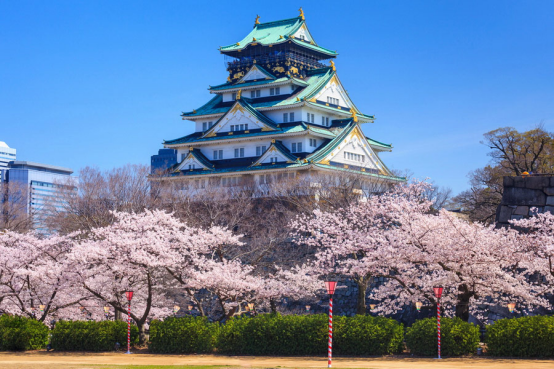
- Osaka Castle: A magnificent landmark with a rich history, the castle offers impressive architecture, a museum inside, and beautiful surrounding gardens, especially during cherry blossom season.
- Sumiyoshi Taisha: One of Japan’s oldest Shinto shrines, known for its unique architectural style and picturesque arched bridge.
- Universal Studios Japan (USJ): A major theme park offering thrilling rides, popular themed zones (like The Wizarding World of Harry Potter), and entertainment for all ages.
- Tempozan Ferris Wheel & Aquarium: Located in the Osaka Bay Area, this area offers the Kaiyukan Aquarium, one of Japan’s largest, and a giant Ferris wheel with stunning bay views.

Seamless Travel Across Japan: Logistics & Tips
Traveling across Japan, especially between major cities like Tokyo, Kyoto, and Osaka, is remarkably efficient thanks to its world-class transportation network. However, understanding the best options and practical tips can significantly enhance your travel experience, ensuring smooth transitions and maximizing your exploration time. From mastering the rail system to understanding local etiquette, preparation is key.
Navigating Japan’s Rail System
The Japan Rail (JR) network, particularly the Shinkansen (bullet train), is the backbone of inter-city travel. It’s renowned for its speed, punctuality, and comfort. For tourists, the Japan Rail Pass is an invaluable tool, offering unlimited travel on JR lines, including most Shinkansen routes, for a set period. Deciding whether to purchase a JR Pass depends on your itinerary and travel intensity.
- Japan Rail Pass: Available for 7, 14, or 21 consecutive days. It’s often cost-effective for itineraries involving multiple long-distance train journeys, such as Tokyo-Kyoto-Osaka.
- Shinkansen (Bullet Train): The fastest way to travel between major cities. Reservations are recommended, especially for popular routes and peak times.
- Local Trains & Subways: Essential for navigating within cities. Consider purchasing an IC card (e.g., Suica, Pasmo, Icoca) for convenient tap-and-go travel on most public transport systems.
- HyperDia/Google Maps: Utilize these apps for real-time train schedules, routes, and fare information.
Accommodation Options
Japan offers a diverse range of accommodation options to suit every budget and travel style, from traditional ryokans to modern hotels and budget-friendly hostels. Each type provides a unique aspect of Japanese hospitality and comfort, making your stay an integral part of the cultural experience.
- Ryokans: Traditional Japanese inns, often featuring tatami mat rooms, futon beds, hot springs (onsen), and multi-course kaiseki dinners. Ideal for a cultural immersion.
- Business Hotels: Common in urban centers, offering compact but efficient rooms with modern amenities. Great for convenience and value.
- Capsule Hotels: A unique, budget-friendly option, providing individual sleeping pods. Offers a distinct Japanese experience, often with shared facilities.
- Hostels & Guesthouses: Excellent for budget travelers and solo adventurers, fostering a social atmosphere and often offering communal kitchens.
- Airbnb/Vacation Rentals: Provides more space and a local living experience, especially suitable for families or longer stays.

Crafting Your Perfect Japan Itinerary
Designing an itinerary for Japan is a balance of your interests, budget, and the duration of your trip. The country offers such a rich tapestry of experiences that careful planning ensures you make the most of your time. This section provides a comprehensive 7-day example that covers the major highlights of Tokyo, Kyoto, and Osaka, along with advice on customizing your adventure.
Sample 7-Day Itinerary: Tokyo, Kyoto, Osaka
This itinerary is designed for first-time visitors who wish to experience the best of Japan’s major cities, offering a blend of modern excitement, ancient tranquility, and culinary delights. It assumes arrival and departure from Tokyo, but can be adjusted for other entry points.
| Day | City | Morning | Afternoon | Evening |
|---|---|---|---|---|
| Day 1 | Tokyo | Arrive in Tokyo, check into accommodation. Explore Shinjuku (Tokyo Met. Gov. Building). | Visit Meiji Jingu Shrine & Harajuku (Takeshita Street). | Shibuya Crossing, dinner in Shibuya. |
| Day 2 | Tokyo | Asakusa (Senso-ji Temple, Nakamise-dori). | Ueno Park (museums or zoo). | Tokyo Skytree for views & dinner. |
| Day 3 | Travel/Kyoto | Morning Shinkansen to Kyoto. Check in. | Fushimi Inari-taisha (Torii gates). | Gion district (geisha spotting), traditional dinner. |
| Day 4 | Kyoto | Kinkaku-ji (Golden Pavilion). | Arashiyama Bamboo Grove & Tenryu-ji Temple. | Kiyomizu-dera Temple (sunset views), explore Higashiyama. |
| Day 5 | Travel/Osaka | Morning train to Osaka. Check in. | Osaka Castle. | Dotonbori (street food, neon lights). |
| Day 6 | Osaka/Day Trip | Kuromon Market for breakfast & exploration. | Optional: Day trip to Nara (Todai-ji Temple, deer park) or Universal Studios Japan. | Dinner in Shinsekai (kushikatsu). |
| Day 7 | Departure | Last-minute souvenir shopping or revisit a favorite spot. | Travel back to Tokyo (if departing from Narita/Haneda) or depart from Kansai International Airport. | Depart from Japan. |
Customizing Your Trip: Off-the-Beaten-Path Ideas
While the major cities offer unparalleled experiences, Japan’s charm extends far beyond its urban centers. For those with more time or a desire for unique adventures, consider incorporating lesser-known destinations or specific thematic explorations into your itinerary. These additions can provide a deeper, more personal connection with the country.
- Hakone: A scenic mountain town known for its hot springs, views of Mount Fuji, and open-air museum, easily accessible from Tokyo.
- Hiroshima & Miyajima: A poignant visit to the Peace Memorial Park and Museum in Hiroshima, followed by the iconic floating torii gate of Itsukushima Shrine on Miyajima Island.
- Takayama & Shirakawa-go: Explore traditional Japanese folk villages with unique Gassho-zukuri farmhouses, offering a glimpse into rural Japan.
- Okinawa: For a tropical escape, the islands of Okinawa offer beautiful beaches, unique Ryukyuan culture, and excellent diving opportunities.
- Skiing in Hokkaido: In winter, Hokkaido is a world-class destination for powder snow skiing and snowboarding, alongside its vibrant Sapporo Snow Festival.
Conclusion: Your Unforgettable Japan Adventure Awaits
Japan is a destination that truly caters to every type of traveler, offering a rich tapestry of experiences that blend ancient traditions with modern marvels. From the bustling energy of Tokyo’s urban landscape to the serene beauty of Kyoto’s temples and the vibrant culinary scene of Osaka, every city tells a unique story. By utilizing this comprehensive guide, with its detailed itineraries, practical tips, and insights into cultural nuances, you are well-equipped to plan a journey that will not only meet but exceed your expectations. Embrace the adventure, savor the flavors, and immerse yourself in the unparalleled charm of Japan. Your unforgettable journey awaits!
Frequently Asked Questions (FAQ)
- Q1: What is the best way to travel between cities in Japan?
- The Shinkansen (bullet train) is the most efficient and comfortable way to travel between major cities. For tourists, purchasing a Japan Rail Pass can be very cost-effective if you plan multiple long-distance train journeys, such as between Tokyo, Kyoto, and Osaka. Within cities, local trains and subway systems are highly efficient, and an IC card (like Suica or Pasmo) is recommended for convenience.
- Q2: Is Japan an expensive country to visit?
- Japan can be perceived as expensive, but it’s possible to travel on a moderate budget. Accommodation can range from budget hostels to luxury hotels. Food can be very affordable if you opt for local eateries, convenience store meals, or street food. Transportation costs can be managed with a JR Pass. Activities vary, but many temples and parks have low or no entry fees. Planning ahead and making smart choices helps significantly.
- Q3: What are some essential cultural etiquettes to be aware of?
- Key etiquettes include bowing as a form of greeting and respect (a slight nod is usually sufficient for tourists), removing shoes before entering homes, temples, and some restaurants, and avoiding loud conversations on public transport. Tipping is not customary and can sometimes be considered rude. Always be punctual, and if uncertain, observe locals and follow their lead.
- Q4: How much time should I allocate for a first-time trip to Japan?
- For a comprehensive first-time trip covering major cities like Tokyo, Kyoto, and Osaka, a minimum of 7-10 days is recommended. This allows enough time to explore each city’s highlights without feeling rushed and accounts for travel time between locations. If you have less time (e.g., 5 days), it’s best to focus on one or two cities to truly experience them.
- Q5: What are the must-try foods in Japan?
- Japan boasts an incredible culinary landscape. Must-try dishes include sushi and sashimi, ramen (various regional styles), tempura (lightly battered and fried seafood/vegetables), yakitori (grilled chicken skewers), udon and soba noodles, and gyoza (dumplings). In Osaka, don’t miss takoyaki (octopus balls) and okonomiyaki (savory pancakes). Green tea and sake are also essential to experience.