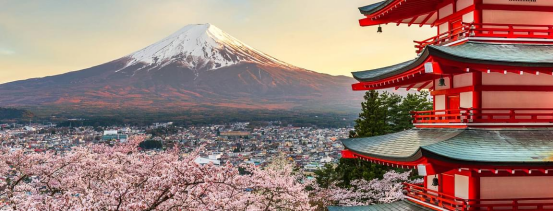
The Ultimate Japan Travel Guide: Plan Your Unforgettable Journey
Pre-Departure Essentials for Your Japan Adventure
Before your dream trip to Japan becomes a reality, meticulous planning is paramount. Understanding the crucial details before you even pack your bags can significantly enhance your travel experience, preventing common pitfalls and ensuring a smooth journey. This section delves into the vital preparations, from visa requirements to essential travel documents and cultural considerations, setting a solid foundation for your Japanese adventure.
Visa Requirements and Entry Protocols
Japan has specific visa policies depending on your nationality. Many countries enjoy visa-free entry for short-term tourist stays, typically up to 90 days. However, it is absolutely critical to verify the latest visa regulations specific to your passport well in advance of your departure. Changes can occur, and an expired or incorrect visa can halt your trip before it even begins. Ensure your passport has at least six months of validity beyond your intended departure date from Japan. Additionally, be prepared for potential health declarations or entry forms that may be required upon arrival, especially in a post-pandemic travel landscape.
- Passport Validity: Ensure your passport is valid for at least six months beyond your planned stay.
- Visa Check: Consult the official Japanese embassy or consulate website for your country to confirm visa-free status or application requirements.
- Travel Insurance: Highly recommended to cover medical emergencies, trip cancellations, and lost luggage.
- Customs Declarations: Be aware of what items are restricted or prohibited when entering Japan, and accurately declare all goods.
Currency, Connectivity, and Communication
Japan’s official currency is the Japanese Yen (JPY). While major credit cards are accepted in larger cities and establishments, cash remains king, especially in rural areas, smaller shops, and some traditional inns. It’s advisable to carry a mix of cash and cards. For connectivity, pocket Wi-Fi devices, local SIM cards, or international roaming plans are your primary options. A pocket Wi-Fi offers reliable internet access for multiple devices and is widely available for rent at airports or online. For communication, learning a few basic Japanese phrases can significantly enhance your interactions and show respect for the local culture, even if most tourist-facing staff speak English.
- Currency Exchange: Exchange some JPY before you leave, but also utilize ATMs at convenience stores (like 7-Eleven) upon arrival for better rates.
- Connectivity Options:
- Pocket Wi-Fi: Excellent for groups or multiple devices, available for pickup at airports.
- Local SIM Cards: Good for individual travelers with unlocked phones, purchased at airports or electronics stores.
- eSIM: A convenient digital option for compatible phones, often purchased online before arrival.
- Basic Phrases: Memorize essential phrases like “Arigato” (Thank you), “Sumimasen” (Excuse me/Sorry), and “Konnichiwa” (Hello).
Packing Smart: What to Bring and What to Leave
Packing for Japan requires careful consideration of the season, your itinerary, and cultural norms. Lightweight, comfortable shoes are a must as you’ll likely be doing a lot of walking. Layers are always a good idea, especially during transitional seasons. Remember that Japan is a country of respect and modesty; pack appropriate attire for temple visits or formal dining. Leave unnecessary bulky items at home, as space can be limited in accommodations and on public transport. Consider bringing a universal travel adapter, a portable power bank, and any specific medications you require, along with their prescriptions.
- Footwear: Prioritize comfortable walking shoes. You’ll remove shoes frequently in traditional settings, so slip-on styles can be convenient.
- Clothing: Pack according to the season. Modest attire is appreciated, especially at religious sites.
- Essentials: Universal adapter, portable charger, personal medications, and a small daypack.
- Don’t Overpack: Japan has excellent shopping, so you can always buy forgotten items. Luggage storage is available at stations.

Seamless Arrival and Initial Steps in Japan
Your arrival in Japan is the beginning of your adventure, and a smooth transition from the airport to your accommodation sets a positive tone for your entire trip. Japan’s major international airports are renowned for their efficiency, cleanliness, and excellent infrastructure, making the arrival process relatively straightforward. However, understanding the key steps and available transport options can save you time and reduce stress, especially after a long flight. This section guides you through customs, baggage claim, and the various ways to reach your destination.
Navigating Major International Airports
Japan boasts several world-class international airports, with Narita (NRT) and Haneda (HND) serving Tokyo, and Kansai International (KIX) serving the Osaka/Kyoto region being the most prominent. Upon landing, you’ll proceed through immigration, baggage claim, and customs. Immigration typically involves presenting your passport and any required entry forms, possibly undergoing biometric scans. Baggage claim is usually swift, and customs checks are generally efficient. Look for information counters or English-speaking staff if you need assistance. Most airports offer free Wi-Fi, allowing you to connect immediately.
- Immigration: Follow signs, present passport and completed disembarkation card. Be prepared for fingerprinting and a photo.
- Baggage Claim: Locate your carousel number on the arrival screens.
- Customs: Declare any items as required. The process is usually quick and hassle-free for most tourists.
- Information Desks: Abundant and usually staffed by English speakers, ready to assist with directions or transportation queries.
Airport to City Transportation Options
Once you’ve cleared customs, a range of efficient transportation options awaits to take you to your city accommodation. The choice depends on your destination, budget, and preference for speed versus cost. Japan’s public transportation system is world-renowned for its punctuality and extensive network.
From Narita International Airport (NRT) to Tokyo
Narita Airport is further from central Tokyo, offering several express train options:
- Narita Express (N’EX): The most popular choice for tourists, offering comfortable, direct service to major stations like Tokyo, Shinagawa, Shibuya, Shinjuku, and Ikebukuro. It’s often covered by the Japan Rail Pass. The journey takes approximately 60-90 minutes.
- Keisei Skyliner: A faster, dedicated train service to Ueno and Nippori stations, with connections to the Tokyo Metro. It’s not covered by the JR Pass. Journey time is around 40 minutes.
- Airport Limousine Bus: Offers direct service to many hotels and major stations, which can be convenient if you have heavy luggage. Travel time varies with traffic.
From Haneda Airport (HND) to Tokyo
Haneda is much closer to central Tokyo, making transfers quicker:
- Keikyu Line: Connects directly to Shinagawa Station, with easy transfers to other JR lines.
- Tokyo Monorail: Offers scenic views and connects to Hamamatsucho Station, where you can transfer to the JR Yamanote Line.
- Airport Limousine Bus: Similar to Narita, providing direct routes to hotels and major areas.
From Kansai International Airport (KIX) to Osaka/Kyoto
KIX serves the Kansai region with excellent connections:
- JR Haruka Limited Express: Direct service to Shin-Osaka and Kyoto. Covered by the JR Pass.
- Nankai Rapi:t: Connects KIX to Namba Station in Osaka, a major transport hub.
- Airport Limousine Bus: Available for direct routes to various locations in Osaka, Kyoto, and Nara.
Getting Connected: SIM Cards and Pocket Wi-Fi
Immediate connectivity is crucial for navigation, translation, and staying in touch. Japan offers robust options:
- Renting a Pocket Wi-Fi Device: Provides a portable Wi-Fi hotspot for multiple devices. Book online for airport pickup or delivery to your accommodation. Offers unlimited data and good speeds.
- Purchasing a Tourist SIM Card: Available at airports, electronics stores (like Bic Camera, Yodobashi Camera), or convenience stores. Ensure your phone is unlocked. Data-only SIMs are common for tourists.
- eSIM: For compatible phones, an eSIM can be activated digitally before you even land, offering instant connectivity upon arrival. Providers like Ubigi or Airalo are popular.

Accommodation in Japan: From Traditional to Modern
Japan offers an incredible diversity of accommodation options, catering to every budget and travel style. From luxurious international hotels to charming traditional inns and unique budget-friendly stays, choosing the right lodging can significantly shape your travel experience. Understanding the characteristics of each type and how to book them effectively is key to finding your perfect Japanese home away from home.
Exploring Diverse Accommodation Types
The range of places to stay in Japan is vast, each offering a distinct cultural immersion or level of comfort:
- Ryokan (Traditional Japanese Inn): These are quintessential Japanese experiences, featuring tatami mat rooms, futon beds, communal baths (often onsen hot springs), and traditional multi-course meals (kaiseki). They offer a deep dive into Japanese hospitality and culture.
- Hotels: Japan has a wide array of hotels, from international chains to local business hotels. Business hotels are typically compact but efficient, offering all basic amenities and often located near train stations. Luxury hotels provide expansive rooms, western comforts, and high-end services.
- Capsule Hotels: A unique, budget-friendly option, offering individual sleeping pods. While compact, they are surprisingly comfortable, clean, and often feature shared lounges and excellent amenities. Perfect for solo travelers or those seeking a novel experience.
- Hostels and Guesthouses: Ideal for budget travelers and backpackers, offering dormitory-style rooms or private rooms at lower prices. They are great for meeting other travelers.
- Minshuku: Similar to a ryokan but usually smaller, family-run, and more basic, offering a homestay-like experience.
- Vacation Rentals (e.g., Airbnb): Growing in popularity, these offer more space and amenities like kitchens, suitable for families or longer stays. Be aware of local regulations.
Booking Tips and Considerations
When booking accommodation in Japan, several factors should influence your decision:
- Location, Location, Location: Proximity to train stations or major attractions is crucial for convenience, especially in large cities. Research the nearest station and its train lines.
- Budget: Define your budget per night. Ryokans can be pricier, especially with meals included, while capsule hotels and hostels are more economical.
- Amenities: Consider what amenities are important to you (e.g., Wi-Fi, private bathroom, breakfast, onsen access).
- Booking Platforms: Use popular international platforms like Booking.com, Agoda, Expedia, or local Japanese sites like Rakuten Travel or Jalan for a wider selection.
- Read Reviews: Always check recent reviews for cleanliness, service, and accuracy of descriptions.
- Cancellation Policies: Be aware of cancellation policies, especially if your travel plans are flexible.

Navigating Japan: A Guide to Efficient Transportation
Japan’s transportation system is a marvel of efficiency, punctuality, and technological advancement. Getting around the country, whether between cities or within urban centers, is a seamless experience once you understand the various modes and how to utilize them. This section will equip you with the knowledge to traverse Japan like a seasoned local, focusing on the iconic rail network, urban transit, and other convenient options.
Japan Rail Pass: Is It Worth It?
The Japan Rail Pass (JR Pass) is a special ticket designed for foreign tourists, offering unlimited travel on JR trains, including most Shinkansen (bullet trains), JR local lines, JR buses, and some JR ferry services, for a set period (7, 14, or 21 consecutive days). Its value largely depends on your itinerary.
Factors to Consider:
- Extensive Travel: If you plan to visit multiple major cities (e.g., Tokyo, Kyoto, Osaka, Hiroshima) within a short timeframe, the JR Pass can offer significant savings. A single round trip from Tokyo to Kyoto often justifies a 7-day pass.
- Limited Travel: For travelers staying primarily in one region or only making one major inter-city trip, individual tickets or regional passes might be more economical.
- Specific Routes: The JR Pass does not cover the Nozomi and Mizuho Shinkansen services, which are the fastest trains on the Tokaido/Sanyo Shinkansen line. You’ll need to use Hikari or Kodama services, which are slightly slower but still very efficient.
- Activation: The pass must be activated at a JR office upon arrival in Japan and used within a month of purchase.
Recommendation: Calculate the cost of individual train tickets for your planned itinerary using a tool like Hyperdia or Google Maps. Compare this to the cost of the JR Pass to determine if it’s economical for your specific trip.
Urban Transportation: Trains, Subways, and Buses
Within Japan’s cities, public transportation is incredibly robust and the preferred method of travel.
Trains and Subways:
Major cities like Tokyo, Kyoto, and Osaka have extensive train and subway networks. These are clean, safe, and incredibly punctual. Navigating them is made easier with:
- IC Cards (Suica, Pasmo, Icoca): These rechargeable smart cards are indispensable. Simply tap in and out at ticket gates. They can be used across different regions and even for purchases at convenience stores and vending machines. Purchase them at ticket machines or JR Pass offices.
- Signage: Stations have excellent English signage, and announcements are often made in multiple languages.
- Google Maps: An invaluable tool for planning routes, checking train times, and platform numbers.
Buses:
Buses are useful for reaching areas not covered by trains or subways, especially in cities like Kyoto where they are a primary mode of transport. Payment is usually made by IC card or exact cash when exiting. Enter from the rear and exit from the front.
Other Transportation Methods
- Taxis: Readily available in cities but can be expensive, especially for long distances. They are metered, and drivers are generally honest. Fares increase late at night.
- Rental Cars: Recommended only for exploring rural areas where public transport is scarce. Driving is on the left, and an International Driving Permit (IDP) is required. Toll roads are common and can be costly.
- Bicycles: A popular way to explore smaller towns or specific city districts. Many hotels or guesthouses offer rental bicycles.
Traveler’s Tip: Always have your destination written down in Japanese, or show it on your phone, especially when taking a taxi or asking for directions in less tourist-heavy areas.

Must-See Attractions and Experiences in Japan
Japan is a land of captivating contrasts, where ancient traditions blend seamlessly with futuristic innovation. From serene temples and lush gardens to bustling neon-lit cityscapes and majestic natural wonders, the country offers an endless array of attractions and experiences. This section highlights some of the iconic destinations and unique activities that should be on every traveler’s itinerary, ensuring a rich and diverse exploration of Japanese culture and beauty.
Iconic Cities and Their Highlights
Japan’s major cities each possess a distinct character and a wealth of attractions:
- Tokyo: The vibrant capital, a sprawling metropolis that never sleeps.
- Shinjuku: Home to the Tokyo Metropolitan Government Building (free observation deck), Shinjuku Gyoen National Garden, and the energetic nightlife of Kabukicho.
- Shibuya: Famous for the Shibuya Crossing, Hachiko statue, and trendy shopping.
- Asakusa: Experience traditional Tokyo at Senso-ji Temple and Nakamise-dori market.
- Ginza: Upscale shopping, dining, and theatre district.
- Akihabara: The electric town, paradise for anime, manga, and electronics enthusiasts.
- Kyoto: The cultural heart of Japan, preserving ancient traditions.
- Kinkaku-ji (Golden Pavilion): A stunning Zen temple covered in gold leaf.
- Fushimi Inari-taisha: Famous for its thousands of vibrant red torii gates winding up a mountain.
- Arashiyama Bamboo Grove: A serene and picturesque bamboo forest.
- Gion: Kyoto’s geisha district, offering glimpses into traditional Japanese entertainment.
- Kiyomizu-dera Temple: A UNESCO World Heritage site with panoramic views.
- Osaka: Known for its lively atmosphere, delicious street food, and friendly locals.
- Dotonbori: A bustling entertainment district with iconic neon signs and street food.
- Osaka Castle: A magnificent historical landmark.
- Universal Studios Japan: A popular theme park, especially The Wizarding World of Harry Potter.
- Shinsekai: An old downtown area with retro charm and the Tsutenkaku Tower.
Cultural Immersion and Unique Experiences
Beyond the major cities, Japan offers deep cultural experiences:
- Onsen (Hot Springs): Relax and rejuvenate in Japan’s natural hot springs. Many ryokans have their own onsen, or you can visit public bathhouses. Be aware of onsen etiquette.
- Traditional Tea Ceremony: Participate in a serene and meditative tea ceremony, a profound expression of Japanese aesthetics and hospitality.
- Temple and Shrine Visits: Explore the spiritual side of Japan. Remember to observe etiquette, such as bowing before entering and purifying yourself at the water basins.
- Sumo Wrestling/Kabuki Theatre: Experience traditional Japanese entertainment. Check schedules for tournaments or performances.
- Cherry Blossom (Sakura) Viewing: If traveling in spring, witness the breathtaking beauty of cherry blossoms across the country.
- Autumn Leaves (Koyo): In autumn, Japan transforms with vibrant red and gold foliage, particularly stunning in mountainous regions and gardens.

Delving into Japan’s Culinary Delights
Japanese cuisine is a global phenomenon, celebrated for its exquisite flavors, meticulous presentation, and profound cultural significance. Eating in Japan is not merely about sustenance; it’s an immersive experience that engages all senses. From Michelin-starred restaurants to humble street food stalls, the country offers an unparalleled gastronomic journey. This section guides you through the diverse world of Japanese food, must-try dishes, and essential dining etiquette.
Must-Try Japanese Dishes and Where to Find Them
Japan’s culinary landscape is incredibly diverse. Here are some staples and regional specialties you shouldn’t miss:
- Sushi and Sashimi: Fresh seafood prepared with expert precision. Visit Tsukiji Outer Market or Toyosu Market in Tokyo for prime sushi experiences, or local sushi bars.
- Ramen: A hearty noodle soup with various regional styles (e.g., Tonkotsu from Kyushu, Miso from Hokkaido, Shoyu from Tokyo). Look for ramen shops with long lines – a good indicator of quality.
- Tempura: Lightly battered and deep-fried seafood and vegetables. Enjoy at dedicated tempura restaurants for the freshest experience.
- Udon and Soba: Thick wheat noodles (udon) and thin buckwheat noodles (soba), served hot or cold. Soba is particularly popular in mountainous regions.
- Yakitori: Skewered and grilled chicken (and sometimes vegetables), often found at izakayas (Japanese pubs).
- Okonomiyaki: A savory pancake dish, often called “Japanese pizza,” customizable with various ingredients. A specialty of Osaka and Hiroshima, each with its own distinct style.
- Takoyaki: Ball-shaped wheat flour snacks filled with diced octopus, a quintessential Osaka street food.
- Katsu (Tonkatsu): Deep-fried breaded pork cutlet, served with shredded cabbage and a savory sauce.
- Matcha: Powdered green tea, enjoyed as a beverage or in desserts. Visit traditional tea houses, especially in Kyoto.
Dining Etiquette and Common Practices
Dining in Japan comes with its own set of customs and etiquette. Observing these not only shows respect but also enhances your overall experience:
- “Itadakimasu” and “Gochisousama”: Before eating, say “Itadakimasu” (I humbly receive). After finishing, say “Gochisousama (deshita)” (Thank you for the meal).
- Chopsticks:
- Don’t stick them upright in rice: This resembles a funeral ritual.
- Don’t pass food from chopstick to chopstick: Another funeral custom.
- Don’t point with chopsticks: It’s considered rude.
- When not using: Place them on the chopstick rest (hashioki) or across your bowl.
- Slurping Noodles: It’s perfectly acceptable, even encouraged, to slurp noodles (ramen, udon, soba) as it shows enjoyment and cools the hot broth.
- Tipping: Tipping is not customary in Japan and can sometimes be considered rude or confusing. The service charge is usually included, or excellent service is simply expected.
- Paying the Bill: Bills are usually paid at the front counter by the register, not at the table.
- Sharing: It is common to share dishes, especially at izakayas.
- Leaving food: It is considered polite to finish all the food on your plate.

Shopping in Japan: From Souvenirs to High Fashion
Shopping in Japan is an experience in itself, offering everything from traditional crafts and quirky souvenirs to cutting-edge electronics and high-end fashion. Whether you’re hunting for unique gifts, indulging in retail therapy, or simply browsing the impeccably organized stores, Japan’s shopping scene promises delight. This section explores the diverse shopping opportunities and provides tips for making the most of your retail adventures.
What to Buy: Popular Souvenirs and Products
Japan offers an incredible variety of items that make perfect souvenirs or personal treats:
- Traditional Crafts:
- Ceramics: Beautiful pottery from regions like Arita, Imari, or Kiyomizu-yaki (Kyoto).
- Lacquerware: Exquisite bowls, trays, and boxes.
- Textiles: Kimono, yukata, furoshiki (wrapping cloths), and intricate embroidery.
- Stationery: High-quality pens, notebooks, and unique washi tape.
- Fashion and Beauty:
- Japanese Denim: Renowned for its quality and craftsmanship.
- Cosmetics and Skincare: Innovative and highly effective products.
- Streetwear: Unique and trendy fashion items, especially in Harajuku.
- Electronics and Gadgets:
- Cameras, audio equipment, home electronics: Japan is a global leader in technology.
- Unique gadgets: Often found in department store basement floors or specialty shops.
- Food and Drink:
- Sake and Japanese Whisky: World-class alcoholic beverages.
- Unique Kit Kat Flavors: Green tea, sakura, sweet potato, and many regional varieties.
- Japanese Snacks and Sweets: Pocky, mochi, Tokyo Banana, and various wagashi (traditional sweets).
- Anime, Manga, and Pop Culture Merchandise:
- Figures, comics, games: Akihabara (Tokyo) and Den Den Town (Osaka) are prime spots.
- Gashapon: Vending machine capsules with collectible toys.
Where to Shop: Best Districts and Stores
Different areas specialize in different types of shopping:
- Department Stores (Depachika): High-end shopping experiences like Isetan, Mitsukoshi, Takashimaya. Their basement food halls (depachika) are legendary for gourmet food, sweets, and bentos.
- Electronics Stores: Yodobashi Camera and Bic Camera are massive multi-story electronics retailers found in major city centers.
- 100 Yen Shops (Hyaku En): Equivalent to dollar stores, offering a vast array of inexpensive household goods, snacks, and stationery. Daiso, Seria, and Can Do are popular chains.
- Convenience Stores (Konbini): 7-Eleven, FamilyMart, and Lawson are ubiquitous, offering not just snacks and drinks but also ATMs, limited groceries, and sometimes even concert tickets.
- Specialty Districts:
- Ginza (Tokyo): Luxury brands and high fashion.
- Shibuya & Harajuku (Tokyo): Youth fashion, trendy boutiques, and unique streetwear.
- Akihabara (
Travel note: Destination rules, prices, visa requirements, opening hours, transport schedules, and safety conditions can change. Use this guide for orientation, then verify details with official tourism, transport, local authority, and accommodation sources before booking or traveling.