The Ultimate Global Travel Guide: 16 Breathtaking Natural Wonders to Visit in a Lifetime
The world is a vast tapestry of geological marvels and cultural landmarks that challenge the human spirit and soothe the soul. From the highest peaks of the Himalayas to the deepest crystalline lakes of Siberia, these destinations represent the pinnacle of natural beauty and historical significance. This guide serves as a master blueprint for the modern explorer, detailing sixteen of the most profound locations on Earth, offering everything from technical travel advice to the philosophical allure of these “bucket-list” sites.
The Power of Water: From Iguazu to Huangguoshu
Water has the unique ability to both carve landscapes and create serene sanctuaries. In this section, we explore the most powerful and visually stunning hydrological wonders in the world, focusing on the raw energy of waterfalls and the resilient beauty of turquoise lakes.
Iguazu Falls: The Devil’s Throat
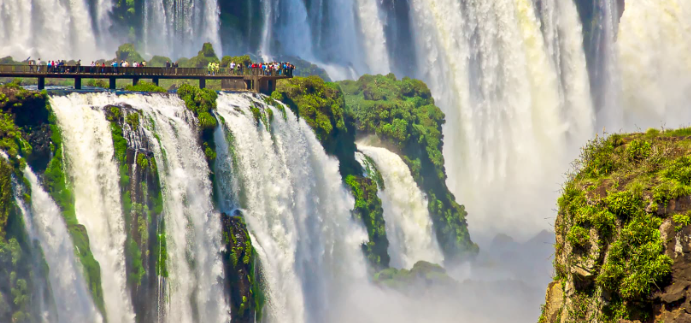
Located on the border of Argentina and Brazil, Iguazu Falls is a massive system of 275 individual waterfalls. The centerpiece is the “Devil’s Throat” (Garganta del Diablo), a U-shaped chasm that swallows millions of liters of water every second. Visitors can experience the falls via a series of walkways that bring them within inches of the spray, offering a visceral sense of nature’s unbridled power. The surrounding subtropical rainforest adds a layer of biodiversity, making it a UNESCO World Heritage site of immense value.
Huangguoshu Waterfall: Asia’s Grand Cascade
In the heart of Guizhou Province, China, lies Huangguoshu Waterfall. Standing 77.8 meters high and 101 meters wide, it is one of the largest waterfalls in Asia. Unique among the world’s great falls, it can be viewed from six different perspectives: above, below, front, back, left, and right. The Water Curtain Cave (Shuilian Dong) allows visitors to walk behind the falling water, providing a rare “behind-the-scenes” look at a natural masterpiece. The region is also famous for its karst topography, creating a dramatic backdrop of limestone peaks.
Jiuzhaigou: Rebirth and Crystalline Miracles
Jiuzhaigou National Park in Sichuan is renowned for its multi-level waterfalls and colorful lakes. Following a major earthquake in 2017, the park has undergone a miraculous natural “rebirth.” The water, rich in calcium carbonate, creates a clarity that is almost surreal, reflecting the surrounding peaks and changing colors with the seasons. Key sites like the Five Flower Lake and the Nuorilang Waterfall continue to draw travelers seeking the “Fairyland on Earth.”

Reaching for the Sky: Iconic Peaks and Alpine Ranges
Mountains have long been the subjects of worship and the ultimate tests of human endurance. This section breaks down the world’s most significant ranges, from the “Roof of the World” to the spiritual heart of Japan.
Mount Everest: The Ultimate Challenge
Standing at 8,848.86 meters, Mount Everest (Sagarmatha in Nepal) is the highest point on Earth. Climbing Everest is a feat of extreme physical and mental fortitude, requiring months of acclimatization and technical skill. For those not attempting the summit, the trek to Everest Base Camp (EBC) offers a profound connection to the Sherpa culture and the sheer scale of the Himalayas. The Khumbu Glacier and the surrounding peaks of Lhotse and Nuptse create an environment that is as dangerous as it is beautiful.
The Swiss Alps: From Summit to Valley
The Swiss Alps represent the gold standard of alpine tourism. From the iconic pyramid of the Matterhorn to the luxury of St. Moritz, the Alps offer a blend of high-altitude adventure and refined comfort. The region is interconnected by world-class rail systems like the Glacier Express, allowing travelers to witness dramatic changes in landscape—from glaciers and snow-capped peaks to lush green valleys and turquoise mountain lakes—without leaving their seats.
Mount Fuji: Sacred Shrines and Mountain Worship
Mount Fuji is more than just a volcano; it is a symbol of Japan’s national identity. The practice of “mountain worship” (Sangaku Shinko) is evident in the numerous shrines at its base, such as the Fujisan Hongu Sengen Taisha. Climbing Fuji during the summer season is a pilgrimage for many, with the goal of reaching the summit to witness the “Goraiko” (the coming of light/sunrise). The mountain’s symmetrical cone is a masterpiece of natural design that has inspired artists for centuries.

Surreal Earth: Mirrors, Ice, and Sacred Waters
Some landscapes are so otherworldly that they challenge our perception of reality. These destinations are characterized by unique optical phenomena and extreme environmental conditions.
Salar de Uyuni: The World’s Largest Mirror
In the high altitudes of Bolivia, Salar de Uyuni stretches across 10,000 square kilometers. During the rainy season (January to March), a thin layer of water covers the salt crust, transforming the desert into the world’s largest mirror. The sky and earth merge into a single, seamless horizon, creating a dreamlike atmosphere that is a favorite for photographers. In the dry season, the landscape becomes a vast, hexagonal-patterned white expanse of salt.
Lake Baikal: The Blue Wonderland of Siberia
Lake Baikal is the world’s deepest and oldest freshwater lake. In winter, it transforms into an icy wonderland. The ice can reach a thickness of up to two meters, yet it remains so transparent that you can see 40 meters into the depths. Methane bubbles frozen in time create white pillars within the blue ice, while the “hummocks”—shards of ice pushed up by pressure—glow like turquoise crystals in the Siberian sun.
Namtso: The Heavenly Lake of Tibet
At an elevation of 4,718 meters, Namtso is one of the highest saltwater lakes in the world. Its name translates to “Heavenly Lake,” and the deep blue of its waters often matches the sky above. Surrounded by the snow-capped Nyenchen Tanglha Mountains, Namtso is a sacred site for Tibetan Buddhists. Pilgrims often perform a “kora” (circumambulation) around the lake, seeking spiritual merit amidst the thinning air and vast, open beauty.

Vast Horizons: Deserts, Grasslands, and Floral Fields
The diversity of Earth’s ecosystems is showcased in its vast deserts and vibrant meadows. This section explores the contrast between the golden sands of the Sahara and the colorful tulip fields of the Netherlands.
To better understand the seasonal nature of these vast landscapes, refer to the table below:
| Destination | Primary Feature | Best Time to Visit | Key Experience |
|---|---|---|---|
| Sahara Desert | Sand Dunes (Ergs) | October to April | Camel trekking & Stargazing |
| Dutch Tulip Fields | Floral Carpets | Mid-April to May | Keukenhof Gardens visit |
| Nalati Grassland | Alpine Meadows | June to September | Nomadic culture & Horseback riding |
| Wugong Mountain | Sea of Clouds | May to October | High-altitude camping |
The Sahara: Journey into the Sand Sea
The Sahara Desert is the world’s largest hot desert, covering much of North Africa. It is a land of extremes, where towering orange dunes (Ergs) can reach heights of 180 meters. Exploring the Sahara is a journey into silence and scale. Beyond the sand, the desert contains rocky plateaus (hamadas) and lush oases that have supported life for millennia. Nighttime in the Sahara offers some of the clearest stargazing opportunities on the planet, far from the reach of light pollution.
Dutch Tulip Fields: A Spring Dreamscape
Every spring, the Netherlands undergoes a transformation as millions of tulips, hyacinths, and daffodils bloom. The Keukenhof is the epicenter of this floral explosion, but the surrounding fields in the Bollenstreek region offer endless rows of vibrant color. This is a managed natural wonder, showcasing the Dutch expertise in horticulture and land reclamation. The best way to experience the fields is by bicycle, allowing for a slow-paced immersion in the fragrance and color of the season.

Spiritual Sanctuaries and Hidden Paradises
Certain locations offer a sense of peace and isolation that is hard to find in the modern world. These “hidden gems” are often difficult to reach, which preserves their pristine beauty and spiritual atmosphere.
Daocheng Yading: The Last Shangri-La
Located in the Garze Tibetan Autonomous Prefecture of China, Daocheng Yading is a sacred sanctuary consisting of three holy snow mountains: Chenrezig, Jampelyang, and Chanadorje. These peaks represent Mercy, Wisdom, and Power in Tibetan Buddhism. The area features crystal-clear lakes like the Milk Lake and Five Color Lake, set against a backdrop of golden grasslands and ancient forests. It is widely considered the inspiration for the mythical “Shangri-La.”
Naejangsan: Embracing Peace and Tranquility
Naejangsan National Park in South Korea is particularly famous for its autumn foliage. The name “Naejang” means “many secrets,” referring to the hidden wonders within the mountain. The park is home to ancient Buddhist temples like Naejangsa and Baekyangsa. Walking through the “Maple Tree Tunnel” during peak season provides a meditative experience, where the vibrant reds and yellows of the leaves create a natural cathedral of color.
Mount Tai: The Sunrise of Inner Strength
Mount Tai (Taishan) in Shandong Province is the most significant of the Five Great Mountains of China. For thousands of years, emperors performed sacrifices here to heaven and earth. The climb to the summit involves thousands of stone steps, culminating at the South Gate to Heaven. Watching the sunrise from the Jade Emperor Peak is a rite of passage, symbolizing renewal and the illumination of one’s inner strength.
Frequently Asked Questions (FAQ)
- Q1: What is the best time of year to visit Mount Everest Base Camp?
- The primary windows for trekking to EBC are pre-monsoon (March to May) and post-monsoon (late September to November). During these times, the weather is relatively stable, and the views of the summit are clearest. Winter is extremely cold, and summer brings heavy rains and clouds.
- Q2: Is it possible to visit Salar de Uyuni and see the “mirror effect” every day?
- No, the mirror effect requires a thin layer of water on the salt flats, which typically only occurs during the rainy season from January to March. In the dry season, the water evaporates, leaving a dry, white salt crust with hexagonal patterns.
- Q3: How difficult is the climb up Mount Fuji?
- While not technically difficult (it is a hike rather than a vertical climb), it is physically demanding due to the steep incline and the thin air at high altitudes. Most hikers take 5-10 hours to reach the summit. Proper gear for cold weather and wind is essential, even in summer.
- Q4: Are the Dutch tulip fields open year-round?
- No, the tulips only bloom for a short period. The Keukenhof gardens are generally open from late March to mid-May. The peak bloom for tulips is typically in mid-April, depending on the weather conditions of that year.
- Q5: What should I pack for a trip to Lake Baikal in winter?
- Extreme cold-weather gear is mandatory. This includes thermal base layers, a high-quality down parka, waterproof and windproof trousers, insulated boots rated for -30°C or lower, and hand/toe warmers. Crampons (ice spikes) for your boots are also highly recommended for walking on the slick ice.