The Ultimate Global Photography Tour: Capturing the World’s Most Breathtaking Destinations
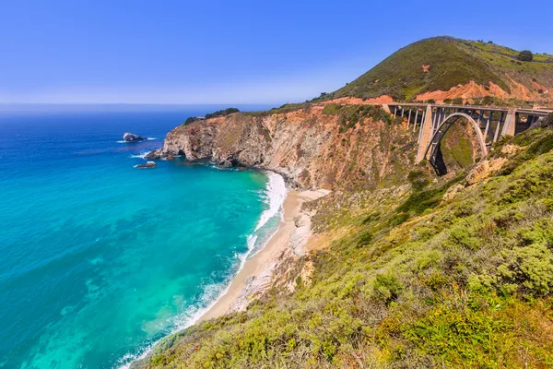
The Magic of Coastal Landscapes: Big Sur, California
The rugged coastline of Big Sur, California, offers one of the most dynamic and visually arresting landscapes for photographers worldwide. Driving along the iconic Highway 1 presents an endless array of compositional opportunities, where the majestic Santa Lucia Mountains plunge dramatically into the turbulent waters of the Pacific Ocean. To truly capture the essence of Big Sur, photographers must understand the interplay of coastal weather patterns, particularly the iconic marine layer fog that rolls in during the summer months, providing a natural diffuser that softens harsh sunlight and creates a moody, ethereal atmosphere.
Mastering the Bixby Creek Bridge
The Bixby Creek Bridge is arguably the most photographed feature along this stretch of coastline, and for good reason. Its elegant single-span concrete arch contrasts beautifully with the wild, untamed nature surrounding it. Approaching this architectural marvel requires careful consideration of time and vantage point. The classic shot is taken from the north side, looking south, which allows the bridge to act as a leading line drawing the viewer’s eye toward the distant, hazy headlands. Utilizing a wide-angle lens in the 16-35mm range is ideal for encompassing both the structure and the vast oceanic backdrop.
- Golden Hour Illumination: Arrive at least an hour before sunset. The golden light hits the western face of the bridge, highlighting the texture of the concrete and the rugged cliffside.
- Long Exposure Techniques: Use a 6-stop or 10-stop Neutral Density (ND) filter to drag the shutter. A 30-second exposure will smooth out the churning Pacific Ocean into a misty, dreamlike surface, isolating the sharp geometry of the bridge.
- Focal Point Precision: Ensure your aperture is stopped down to f/8 or f/11 for maximum depth of field, keeping both the foreground wildflowers and the distant bridge in sharp focus.
Beyond the bridge, McWay Falls offers a completely different, yet equally mesmerizing, coastal scene. This 80-foot waterfall cascades directly onto an untouched beach or into the ocean, depending on the tide. Because physical access to the beach is strictly prohibited, photographers are confined to the designated overlook trail. This limitation means a telephoto zoom (such as a 70-200mm) is highly beneficial for isolating the waterfall against the turquoise water, especially during the late afternoon when the sun illuminates the cove.

High-Altitude Colors: Rainbow Mountain & Ancient Peru
Peru is a country of staggering contrasts, offering photographers a rich tapestry of ancient civilizations and unparalleled natural wonders. At the forefront of its geological marvels is Vinicunca, famously known as Rainbow Mountain. Towering at an altitude of over 5,000 meters (16,400 feet), this mineral-rich peak displays vibrant stripes of turquoise, lavender, gold, and terracotta. Photographing this landscape is as much a physical challenge as it is a technical one, requiring meticulous preparation for extreme altitude and rapidly shifting Andean weather.
Capturing the Andean Spectrum and Wildlife
The colors of Rainbow Mountain are most vibrant under direct sunlight, but the high-altitude atmosphere can introduce harsh contrast and UV haze. A circular polarizer is an absolute necessity here; it not only deepens the azure sky but also cuts through atmospheric glare to saturate the mountain’s mineral deposits. Furthermore, the inclusion of local elements brings scale and narrative to the landscape. Flocks of Andean sheep and alpacas grazing on the lower slopes provide perfect foreground subjects, adding a layer of cultural storytelling to the geological spectacle.
- Acclimatization and Gear Weight: At 5,000 meters, every ounce of gear feels infinitely heavier. Carry only essential lenses—a versatile 24-70mm f/2.8 is often sufficient for both wide sweeping vistas and tighter shots of the wildlife.
- Stargazing and Astrophotography: For those who brave overnight camping in the Andes, the lack of light pollution offers world-class astrophotography. Use a fast, ultra-wide lens (e.g., 14mm f/1.8) and apply the Rule of 500 to avoid star trails, capturing the Milky Way arching over the colorful peaks.
Beyond the natural geology, Peru’s ancient civilizations provide a profound photographic journey. The Sacred Valley and the enigmatic ruins of Machu Picchu require a strategic approach to avoid the dense tourist crowds. Arriving at the gates before dawn allows photographers to capture the iconic Citadel bathed in the soft, diffused light of the morning mist. Utilizing bracketing techniques is crucial here, as the deep shadows of the stone terraces and the bright, cloud-filled sky often exceed the dynamic range of a single exposure.

Alpine Majesty: Banff National Park, Canada
Banff National Park in the Canadian Rockies is a sanctuary for landscape photographers, defined by its jagged, snow-capped peaks, dense pine forests, and impossibly blue glacial lakes. The visual drama of Banff changes drastically with the seasons, but whether you are capturing the vibrant turquoise waters of summer or the crystalline blue ice of winter, the technical demands of alpine photography remain rigorous. Understanding how to meter light bouncing off highly reflective surfaces like snow and ice is the key to mastering this environment.
The Blue Ice of Lake Louise and Sunrise at Moraine Lake
Lake Louise is iconic for its striking blue coloration, a result of “rock flour”—fine glacial silt suspended in the water that reflects blue and green wavelengths of sunlight. During the winter freeze, this phenomenon transforms into massive, textured blocks of blue ice. When photographing snow and ice, camera meters are easily fooled into underexposing the scene, resulting in dull, gray snow. To counteract this, photographers must dial in +1 to +2 stops of positive exposure compensation to retain the brilliant, pristine white of the winter landscape.
Conversely, Moraine Lake is the quintessential sunrise location. The Valley of the Ten Peaks forms a dramatic amphitheater around the water. To capture the perfect sunrise, you must be in position at the rockpile well before dawn. As the sun breaches the horizon, it strikes the tips of the peaks, painting them in vivid hues of pink and orange—a phenomenon known as alpenglow.
- Focus Stacking for Deep Depth of Field: To keep the immediate foreground rocks and the distant Ten Peaks tack sharp, take a series of 3 to 5 images at different focal points and blend them in post-processing.
- Battery Management in Extreme Cold: Winter temperatures in Banff can plummet below -20°C (-4°F). Lithium-ion batteries drain incredibly fast in these conditions. Keep spare batteries close to your body heat in an inner jacket pocket and swap them out as needed.

Urban Vibrance and Iconic Vistas: Rio de Janeiro, Brazil
Rio de Janeiro is a city of unparalleled topographical drama, where lush, steep mountains jut out directly from bustling urban neighborhoods and sweeping golden beaches. This unique intersection of nature and metropolis makes Rio a highly dynamic photography destination. From the commanding presence of the Christ the Redeemer statue to the rhythmic, colorful street life of Copacabana and the favelas, Rio demands a versatile photographic approach that blends landscape techniques with fast-paced street photography.
Elevated Perspectives: Sugarloaf and Corcovado
To capture the sprawling grandeur of Rio, elevation is your greatest asset. The summit of Corcovado, home to Christ the Redeemer, offers a 360-degree panorama of the city. However, photographing the statue itself requires navigating intense crowds and challenging lighting. Using a wide-angle lens from a low vantage point exaggerates the statue’s imposing scale against the sky. For the cityscape below, a telephoto lens allows you to compress the layers of the city, bringing the distant mountains, the dense urban sprawl, and the ocean into a single, cohesive frame.
The Sugarloaf Mountain cable car journey provides another premier vantage point, particularly during the “blue hour” just after sunset. As the city lights begin to flicker on, the contrast between the warm urban glow and the deep blue of the Atlantic Ocean creates a mesmerizing color palette.
- Capturing the Street Culture: Down at sea level, Copacabana and Ipanema beaches are teeming with life. Switch to a fast prime lens (like a 35mm or 50mm f/1.4) to capture candid moments of beach volleyball, surfers, and vibrant street vendors.
- Documenting Urban Art: Rio’s street graffiti is a vibrant expression of its culture. When photographing murals, ensure your camera sensor is perfectly parallel to the wall to avoid keystone distortion, and use a polarizing filter to eliminate glare from the paint.

Mystical Light and Shadows: Yucatan Peninsula, Mexico
The Yucatan Peninsula in Mexico is a region steeped in Mayan history and geological anomalies. For photographers, it offers a fascinating duality: the monumental, sun-drenched geometry of ancient pyramids and the dark, subterranean mystery of the cenotes. Successfully photographing the Yucatan requires mastering extreme lighting contrasts and adapting to hot, humid, and sometimes aquatic environments.
Chichen Itza and the Subterranean Cenotes
The Mayan pyramids, most notably El Castillo at Chichen Itza, are masterpieces of ancient astronomical alignment. Photographing these structures at sunset is highly sought after, as the low-angled sun emphasizes the rugged texture of the limestone blocks and casts dramatic shadows across the steps. During the spring and autumn equinoxes, the play of light and shadow creates the illusion of a serpent slithering down the pyramid—a fleeting moment that requires precise timing and a sturdy tripod to capture perfectly.
Beneath the surface of the Yucatan lies a vast network of cenotes—natural sinkholes exposing groundwater. These subterranean caverns are a study in light and shadow. At specific times of the day, intense beams of sunlight pierce through small openings in the cavern roof, illuminating the crystal-clear turquoise water below like a theatrical spotlight.
- Managing Extreme Dynamic Range: The contrast between the dark cavern walls and the intense sunbeam in a cenote is massive. Expose for the highlights (the sunbeam) to ensure the light rays are not blown out, and recover the shadow details in post-processing, or use HDR bracketing.
- Underwater Photography: To truly capture the magic of the cenotes, an underwater housing for your camera is essential. Use a dome port to achieve split-level (over/under) shots that simultaneously show the cavern roof and the submerged stalactites.
- The Pink Lakes of Las Coloradas: On the northern coast, these highly saline lakes take on a brilliant magenta hue due to red-colored algae and plankton. A drone is the ultimate tool here, allowing you to capture the stark, geometric contrast between the pink water, white salt banks, and the blue ocean from above.

Wildlife and Nature Photography: South Africa
South Africa is a premier destination for wildlife and nature photography, offering access to the legendary “Big Five” and breathtaking landscapes ranging from the arid Kalahari to the lush Garden Route. Photographing wildlife in its natural habitat is an exercise in patience, anticipation, and lightning-fast reflexes. Unlike static landscapes, the subjects here are unpredictable, requiring a mastery of your camera’s autofocus systems and burst modes.
Mastering Safari Photography
The golden hours of early morning and late afternoon are not just the best times for lighting; they are also when predators are most active. When on a game drive, you are typically confined to a vehicle, making a beanbag resting on the window frame a more practical stabilization tool than a tripod. A super-telephoto lens—ideally a 100-400mm or a 200-600mm—is mandatory for pulling distant subjects into the frame without disturbing their natural behavior.
To freeze the rapid motion of a hunting cheetah or a bird in flight, shutter speeds must be kept incredibly high, often exceeding 1/1000th of a second. This necessitates opening the aperture wide (f/4 or f/5.6) and pushing the ISO higher than you typically would in landscape photography. Modern noise-reduction software has made shooting at ISO 3200 or 6400 highly viable, allowing you to prioritize a sharp subject over a grain-free image.
- Eye-Tracking Autofocus: Utilize the continuous autofocus (AF-C or AI Servo) on your camera, specifically activating animal eye-tracking features if available. This ensures the animal’s eyes remain razor-sharp even as they move through tall grass or brush.
- Environmental Portraits: While tight, frame-filling shots of animal faces are striking, do not forget to zoom out. Capturing a solitary elephant against the vast, sweeping backdrop of the African savanna tells a much deeper story about the ecosystem.

Architectural and Cultural Elegance: Austria
Austria, often celebrated as the capital of classical music, is a visual symphony of Baroque architecture, immaculate imperial palaces, and charming alpine villages. Photographing Austria requires a meticulous eye for symmetry, leading lines, and the subtle interplay of light on ornate facades. Cities like Vienna and Salzburg are living museums, demanding an approach that respects their historical grandeur while capturing their modern vitality.
Vienna’s Imperial Grandeur and Alpine Villages
In Vienna, structures like the Schönbrunn Palace and the Hofburg demand wide-angle lenses to capture their sprawling width. However, wide-angle lenses inherently introduce perspective distortion, causing tall buildings to appear as if they are falling backward. To combat this, photographers can use specialized Tilt-Shift lenses to physically correct the converging verticals in-camera, or leave ample negative space around the building to allow for geometry correction in software like Lightroom.
Transitioning from the urban elegance of Vienna to the alpine charm of Hallstatt presents a shift in photographic style. Hallstatt, nestled between a pristine lake and towering mountains, is a masterclass in compositional balance. The classic viewpoint requires arriving at dawn to capture the mirror-like reflections of the 16th-century Alpine houses on the tranquil water before the ferry wakes disrupt the surface.
- Low-Light Street Photography: Vienna comes alive at night. Use a fast prime lens to capture the warm glow of the streetlamps reflecting off the cobblestone streets, silhouetting the horse-drawn carriages that still traverse the inner city.
- Interior Architectural Details: Austria’s cathedrals and libraries (such as the Austrian National Library) feature breathtaking ceiling frescoes. Use a tripod, shoot at a low ISO for maximum dynamic range, and bracket your exposures to capture both the dark wooden bookshelves and the brightly lit domes.

Essential Gear and Preparation for Global Photography
Embarking on a global photography tour requires a highly curated gear list. The challenge lies in balancing versatility with portability; carrying too much gear will cause physical fatigue, while carrying too little may result in missed opportunities. A robust, weather-sealed camera body is the foundation of your kit, ensuring reliability whether you are caught in a sudden downpour in the Yucatan or facing sub-zero winds in Banff.
Building the Ultimate Travel Kit
The “Holy Trinity” of zoom lenses—a 16-35mm wide-angle, a 24-70mm standard zoom, and a 70-200mm telephoto—covers approximately 95% of all travel photography scenarios. However, for specialized destinations like South Africa, a dedicated super-telephoto lens must be added to the manifest. Supporting this glass requires a sturdy yet lightweight carbon fiber tripod, essential for the long exposures of Big Sur and the astrophotography of the Peruvian Andes.
| Destination | Primary Subject Matter | Must-Have Gear / Lens | Key Environmental Challenge |
|---|---|---|---|
| Big Sur, USA | Coastal Landscapes, Waterfalls | 16-35mm, 10-Stop ND Filter | Salt spray on lenses, heavy fog |
| Rainbow Mountain, Peru | High-Altitude Peaks, Astrophotography | 24-70mm, Circular Polarizer | Extreme altitude, rapid battery drain |
| Banff, Canada | Glacial Lakes, Snow-capped Peaks | 16-35mm, Carbon Fiber Tripod | Sub-zero temperatures, snow glare |
| South Africa | Wildlife, Fast-moving Subjects | 100-400mm or 200-600mm | Dust on sensors, harsh midday sun |
Data redundancy is another critical aspect of preparation. Never rely on a single massive memory card. Instead, use multiple smaller capacity cards and back up your images daily to two separate rugged external hard drives. Keep one drive in your daypack and the other secured in your accommodation to mitigate the risk of total data loss due to theft or hardware failure.

Post-Processing Workflows for Travel Photographers
Capturing the image in-camera is only the first half of the photographic journey; post-processing is where the narrative is truly refined. A professional workflow in software like Adobe Lightroom or Capture One allows photographers to recover dynamic range, correct color imbalances introduced by varying light sources, and guide the viewer’s eye through the frame using localized adjustments.
Advanced Masking and Color Grading
Modern editing software has revolutionized localized adjustments through AI-driven masking. When editing a landscape from Banff, you can instantly isolate the sky to deepen the blues and enhance the cloud texture without affecting the exposure of the snow-capped mountains below. Similarly, radial gradients can be used to subtly dodge (brighten) the faces of wildlife in South Africa, ensuring the subject stands out against the background brush.
- Color Calibration: Travel photography often spans multiple continents and lighting conditions. Use the HSL (Hue, Saturation, Luminance) panel to create a cohesive color palette. For instance, slightly desaturating the greens and shifting them towards a warmer yellow can give your images a cinematic, timeless feel.
- Sharpening and Noise Reduction: Apply sharpening selectively. Hold down the Alt/Option key while adjusting the masking slider in Lightroom to ensure that only the edges of buildings (in Austria) or the eyes of an animal are sharpened, leaving the smooth out-of-focus areas untouched by digital noise.
Frequently Asked Questions (FAQ)
- Q1: What is the best way to protect my camera gear in extreme environments like the humid Yucatan or freezing Banff?
- In humid environments, always use silica gel packets in your camera bag to absorb moisture and prevent fungus growth on lenses. Before entering an air-conditioned room from the humid outdoors, seal your camera in a plastic ziplock bag to prevent condensation. In freezing environments like Banff, keep your batteries warm in an inner pocket. When bringing a cold camera indoors, again use a sealed plastic bag so condensation forms on the bag, not the camera’s internal electronics.
- Q2: Do I really need a tripod for travel photography, or is in-body image stabilization (IBIS) enough?
- While modern IBIS is incredible for handheld shooting in low light, a tripod remains irreplaceable for specific techniques. You cannot achieve a 30-second long exposure to smooth the water at Big Sur, nor can you shoot a multi-minute exposure for astrophotography in Peru, without a sturdy tripod. It also forces you to slow down and perfect your composition.
- Q3: How do I avoid blown-out skies when photographing bright landscapes?
- The most effective method is to use exposure bracketing, taking three or more shots at different exposures (e.g., -2, 0, +2) and blending them in post-processing to create a High Dynamic Range (HDR) image. Alternatively, using a Graduated Neutral Density (GND) filter can physically darken the sky in-camera while leaving the foreground properly exposed.
- Q4: What is the ‘Rule of 500’ for astrophotography mentioned in the Peru section? Travel note: Destination rules, prices, visa requirements, opening hours, transport schedules, and safety conditions can change. Use this guide for orientation, then verify details with official tourism, transport, local authority, and accommodation sources before booking or traveling.