The Ultimate Family Adventure Guide: Exploring the Natural Wonders of Norway and New Zealand
Creating unforgettable memories with your family often involves stepping out of the ordinary and into the extraordinary. Adventure travel, particularly to destinations renowned for their stunning natural beauty, offers a unique opportunity for bonding, learning, and exploration. Two countries that stand at the pinnacle of family-friendly adventure are Norway and New Zealand. While geographically distant, they share a common thread of breathtaking landscapes, safe environments, and a wealth of activities that cater to all ages. This guide will serve as your comprehensive resource for planning a remarkable family journey to these natural wonderlands, fusing practical advice with inspiring itineraries.
From the dramatic fjords and ethereal Northern Lights of Norway to the diverse, cinematic landscapes of New Zealand, we will delve into the specifics that make each location a premier choice. We’ll cover crucial planning stages, including budgeting, accommodation, and transportation, before providing a deep dive into the must-see sights and must-do activities in each country. Prepare to plan an expedition that will captivate every member of your family.
Planning Your Ultimate Family Adventure Trip
A successful family adventure is built on a foundation of solid planning. Before you even decide between the Viking shores of Norway or the Kiwi trails of New Zealand, it’s essential to consider the logistical framework of your trip. This ensures a smoother, more enjoyable experience for everyone, from toddlers to teenagers.
Establishing a Realistic Budget
Your budget will be the most significant factor influencing your trip’s duration, style of accommodation, and range of activities. Both Norway and New Zealand are considered premium destinations, but smart planning can make them accessible.
- Flights: This is often the largest expense. Book several months in advance and consider traveling during the shoulder seasons (spring and autumn) for potentially lower fares.
- Accommodation: Options range from luxury hotels to budget-friendly holiday parks and self-catered apartments (cabins or “baches”). Self-catering can significantly reduce food costs.
- Transportation: Renting a car or campervan offers the most flexibility for families. Factor in the cost of fuel, insurance, and any ferry crossings.
- Activities: Pre-book major tours and attractions online, as they often offer early-bird discounts. Balance paid excursions with free activities like hiking and visiting public parks.
- Food: Eating out for every meal can be expensive. Prioritize accommodations with kitchen facilities and enjoy picnics with local produce from supermarkets.
Choosing the Right Accommodation
The right place to stay can make or break a family vacation. Comfort, space, and location are key. In both Norway and New Zealand, you’ll find a wide variety of options suited for families.
- Apartments & Cabins: These offer a “home away from home” experience with separate bedrooms and living areas, plus the invaluable kitchen for preparing meals. In Norway, look for “hytter” (cabins), often found in scenic locations.
- Holiday Parks: Extremely popular in New Zealand, these parks offer powered sites for campervans as well as self-contained motel-style units. They often feature playgrounds, communal kitchens, and laundry facilities, making them ideal for families.
- Hotels: Family-friendly hotels are available in larger cities and tourist hubs, often providing amenities like swimming pools and complimentary breakfast.
Navigating Transportation with Children
Getting around is a core part of the adventure. The journey itself should be part of the fun, not a source of stress.
- Rental Cars: The most common choice for families, offering the freedom to travel at your own pace and make spontaneous stops. Ensure you book a vehicle large enough for your family and luggage, and request car seats if needed.
- Campervans (Motorhomes): A fantastic option that combines your transport and accommodation. It allows for ultimate flexibility and is a particularly popular way to see New Zealand. Waking up to a new, stunning view each morning is an unbeatable experience.
- Public Transport: While both countries have excellent public transport systems (trains, buses, and ferries), they may be less convenient for families with extensive luggage or those wishing to explore more remote areas. However, scenic train journeys, like the Flåm Line in Norway, can be a highlight in themselves.

Destination Deep Dive: Norway’s Natural Wonders
Norway is a land of myth, legend, and staggering natural beauty. Its landscape, carved by ancient glaciers, is a playground for families seeking both tranquility and adventure. From the deep, serene fjords to the dancing Northern Lights, Norway offers a unique European adventure.
Exploring the Majestic Fjords
The Norwegian fjords are the country’s heart and soul. These deep blue inlets, flanked by towering cliffs and cascading waterfalls, are a UNESCO World Heritage site and a must-see for any visitor.
- Geirangerfjord & Nærøyfjord: These are two of the most famous and dramatic fjords. The best way to experience them is via a ferry cruise, which allows you to get up close to famous waterfalls like the Seven Sisters.
- Kayaking and Hiking: For more active families, kayaking on the calm fjord waters provides a unique perspective. Numerous family-friendly hiking trails line the fjords, offering panoramic views from above.
- The Flåm Railway: This is one of the steepest and most beautiful train journeys in the world, taking you from the mountain station of Myrdal down to Flåm at the edge of the Aurlandsfjord. It’s a thrilling experience for all ages.
Chasing the Aurora Borealis (Northern Lights)
Seeing the Northern Lights is a bucket-list experience. Northern Norway, located above the Arctic Circle, is one of the best places on Earth to witness this celestial spectacle. The prime season is from late September to late March.
- Tromsø: Known as the “Gateway to the Arctic,” this vibrant city is a popular base for Northern Lights tours. Families can join guided bus tours, go on a reindeer sleigh ride under the lights, or even take a husky sledding excursion.
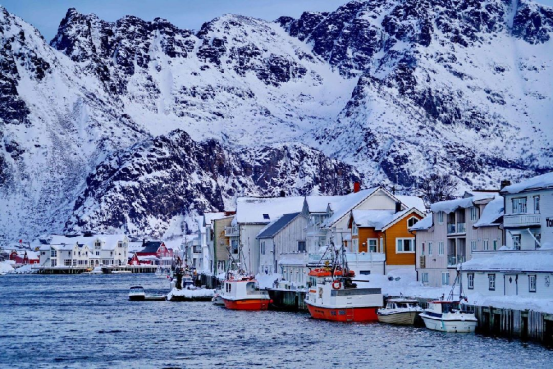
- Lofoten Islands: For a more rugged and scenic backdrop, the Lofoten Islands offer dramatic mountains plunging into the sea, with charming fishing villages and excellent aurora viewing opportunities.
Immersing in Viking History
Connect with Norway’s legendary past by exploring its rich Viking heritage. This is a fantastic way to engage children’s imaginations and make history come alive.
- The Viking Ship Museum (Oslo): Home to the world’s best-preserved Viking ships, this museum offers a fascinating glimpse into the life and craftsmanship of the Vikings.
- Lofotr Viking Museum (Lofoten): This living museum features a full-scale reconstruction of the largest Viking-era longhouse ever found. Visitors can see reenactors, try their hand at archery, and even row a Viking ship.

Destination Deep Dive: New Zealand’s Epic Landscapes
New Zealand is a country of immense and varied beauty, where snow-capped alps meet lush rainforests and golden beaches. It’s the ultimate outdoor playground, offering an endless array of adventures for families who love to explore.
Discovering the North Island’s Geothermal Marvels
The North Island is known for its volcanic activity, resulting in a landscape filled with geothermal wonders, vibrant Maori culture, and beautiful coastlines.
- Rotorua: This is the heartland of New Zealand’s geothermal activity. Families can visit places like Wai-O-Tapu Thermal Wonderland to see bubbling mud pools, steaming geysers (like the Lady Knox Geyser), and vividly colored hot springs.
- Maori Culture: Rotorua is also a center for Maori culture. A visit to a living Maori village like Te Puia or Tamaki Maori Village for a traditional hangi (feast) and cultural performance is an enriching and unforgettable experience.
- Hobbiton Movie Set: For fans of “The Lord of the Rings” and “The Hobbit,” a tour of the Hobbiton Movie Set near Matamata is non-negotiable. Walking through the Shire and having a drink at the Green Dragon Inn is magical for all ages.
Conquering the South Island’s Alpine Adventures
The South Island is dominated by the Southern Alps, offering a landscape that is grand, rugged, and awe-inspiring. It’s a paradise for hiking, wildlife spotting, and adrenaline-fueled activities.
- Aoraki/Mount Cook National Park: Home to New Zealand’s tallest peak, this park offers a range of family-friendly walks, like the Hooker Valley Track, which leads to a glacial lake with floating icebergs.
- Fiordland National Park: Similar to Norway, New Zealand has its own spectacular fiords. A cruise on Milford Sound or the more remote Doubtful Sound is an essential South Island experience, where you can spot seals, dolphins, and penguins.
- Queenstown: Known as the “Adventure Capital of the World,” Queenstown offers activities for every thrill level. While famous for bungy jumping, families can enjoy jet boating on the Shotover River, taking the gondola up Bob’s Peak for stunning views and luge rides, or exploring nearby historic Arrowtown.

Comparing Two Adventure Capitals: Norway vs. New Zealand
While both destinations offer world-class natural beauty and family adventure, they have distinct characteristics. Choosing between them depends on your family’s priorities, travel style, and interests. Here’s a comparison to help you decide.
| Feature | Norway | New Zealand |
|---|---|---|
| Primary Landscape | Deep, dramatic fjords; Arctic tundra; coastal mountains. | Diverse: Volcanic plateaus, glaciers, rainforests, beaches, alpine peaks. |
| Best Time to Visit | Summer (June-Aug) for hiking and fjords; Winter (Oct-Mar) for Northern Lights. | Summer (Dec-Feb) for warm weather and beach activities; shoulder seasons for fewer crowds. |
| Unique Selling Point | Northern Lights (Aurora Borealis) and midnight sun. | Geothermal wonders, Maori culture, and iconic “Lord of the Rings” scenery. |
| Wildlife Focus | Reindeer, puffins, moose, whales. | Kiwi birds, seals, dolphins, penguins, whales. |
| Travel Style | Excellent for scenic drives, cruises, and train journeys. | Ideal for road trips, especially with a campervan. |
| Relative Cost | Generally considered one of the more expensive countries in Europe. | Can be more budget-friendly, especially with campervan travel and self-catering. |

Essential Packing and Safety Tips for Adventure Travel
Proper preparation is key to a safe and comfortable family adventure. The weather in both Norway and New Zealand can be highly unpredictable, so layering is essential regardless of the season.
The Art of Layering
Dressing in layers allows you to adapt to changing conditions throughout the day. This is the most crucial packing strategy for both destinations.
- Base Layer: Moisture-wicking materials like merino wool or synthetics to keep you dry. Avoid cotton as it retains moisture.
- Mid Layer: An insulating layer like a fleece jacket or a lightweight down vest to provide warmth.
- Outer Layer: A waterproof and windproof jacket is non-negotiable. This will protect you from rain and wind, which you are likely to encounter.
Must-Pack Items for the Family
Beyond clothing, several items are essential for a smooth trip.
- Sturdy Footwear: Comfortable, waterproof hiking shoes or boots for everyone. Make sure they are well broken-in before the trip.
- Sun Protection: The sun can be surprisingly strong, especially in New Zealand due to its clearer atmosphere. Pack high-SPF sunscreen, sunglasses, and wide-brimmed hats.
- Insect Repellent: Particularly for New Zealand’s sandflies in Fiordland and the West Coast.
- Reusable Water Bottles: Tap water is safe and delicious in both countries. Stay hydrated and reduce plastic waste.
- First-Aid Kit: A basic kit with antiseptic wipes, bandages, pain relievers, and any personal medications is always a good idea.
- Portable Power Bank: Keep your devices charged for navigation and taking photos, especially when you’re out exploring all day.
Frequently Asked Questions (FAQ)
- Q1: What is the best age for kids to enjoy an adventure trip to Norway or New Zealand?
- Both destinations are fantastic for all ages, but children aged 6 and up will likely get the most out of the experience. They are old enough to participate in activities like short hikes, kayaking, and museum visits, and they will be able to form lasting memories of the trip. However, both countries are very safe and accommodating for families with younger children as well, with plenty of accessible trails and family-friendly facilities.
- Q2: Is renting a campervan a good idea for a family in Norway?
- While campervans are more iconically associated with New Zealand, they are also an excellent option for exploring Norway. Norway has a “right to roam” law (Allemannsretten) that allows for wild camping in many areas, provided you are respectful of the land. This can be a cost-effective and incredibly scenic way to see the country. Just be aware that some mountain roads can be narrow and challenging to navigate in a large vehicle.
- Q3: How much driving is involved in a typical New Zealand road trip?
- A typical two-week itinerary for one island can involve significant driving. It’s best to plan for no more than 3-4 hours of driving on any given day to avoid fatigue and allow for spontaneous stops. Distances on the map can be deceptive due to winding roads. The key is to travel slowly and immerse yourself in each region rather than trying to see the entire country in one short trip.
- Q4: Do we need to book activities and accommodation far in advance?
- For travel during the peak seasons (summer in both hemispheres), it is highly recommended to book flights, rental vehicles, and popular accommodations or tours (like Milford Sound cruises or the Hobbiton tour) at least 3-6 months in advance. This ensures better availability and often better pricing. If you travel in the shoulder seasons, you can afford to be a bit more spontaneous.
- Q5: Are these destinations safe for family travel?
- Both Norway and New Zealand consistently rank among the safest countries in the world. They have low crime rates, excellent infrastructure, and high standards of health and safety. The primary safety considerations are related to the outdoors—being prepared for changing weather, understanding trail conditions, and respecting wildlife and natural hazards.