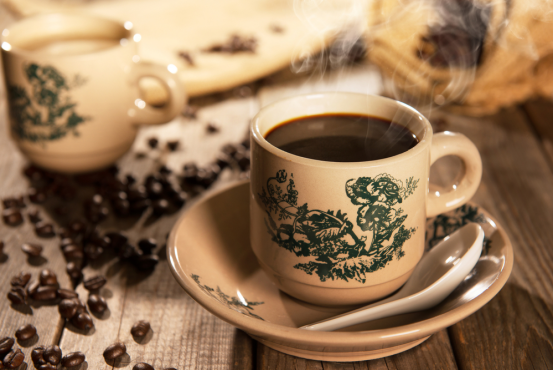
Malaysia: An underestimated “hidden kingdom” on the global coffee map
When it comes to coffee culture, the first thing that comes to your mind may be Italian espresso, American iced latte, or Nordic hand-brewed coffee. But if you think the soul of coffee is in Europe and the United States, then this article may refresh your cognition. In Southeast Asia, there is a country that has quietly become a paradise for coffee lovers with its unique roasting method, mysterious ordering language and deep drinking tradition – Malaysia .
Here, coffee is not just a drink, but a way of life, a historical memory, and even a cultural code. This article will take you to learn more about the origin, flavor characteristics, ordering strategies, and why Malaysian coffee culture deserves a place on the global coffee map.
Why is Malaysia called the “hidden champion of coffee”?
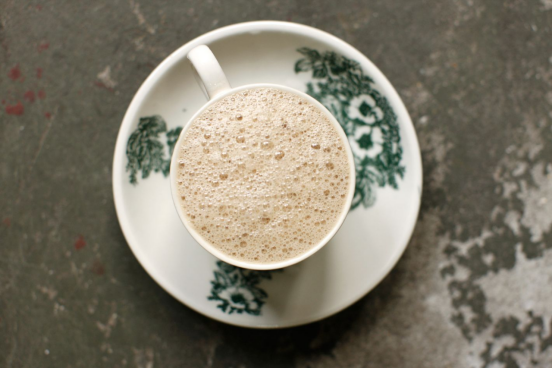
You may rarely see Malaysia in the global coffee brand rankings, but the locals’ passion for coffee is no less than that of Italians for espresso, and even deeper than that of Koreans for iced Americano. Walking into the streets of Kuala Lumpur, you will find coffee everywhere: traditional teahouses (Kopitiam), street stalls, chain coffee shops, and even community canteens in small towns, all
offer you a cup of fragrant local coffee at an astonishingly low price – less than $1 .
Why is it so cheap? On the one hand, coffee has long been deeply integrated into the daily dining structure, rather than a “high-end enjoyment”; on the other hand, local coffee beans are mostly domestically produced or purchased from the region, which reduces costs. But don’t think that “cheap” means “ordinary”. On the contrary, Malaysia’s coffee making methods, flavor combinations and drinking habits are very different from mainstream Western coffee culture and are unique.
The unique flavor of Nanyang coffee: the secret of sugar and butter

Compared to American or Italian coffee, Malaysia’s “Kopi” has a distinctive feature: sugar and butter are added during the roasting process of coffee beans .
This practice originated in the colonial period, when Chinese immigrants created this “sugar-roasted coffee” method to improve the bitter taste of coffee beans. Sugar caramelizes at high temperatures to form a deep caramel flavor, while butter gives the coffee a silky texture and unique aroma. The result is a rich coffee with a slightly sweet caramel aroma, which is mellower than American, but not as bitter as espresso.
This roasting style not only influenced Malaysia, but also profoundly shaped the coffee culture of Singapore and Indonesia. Today, Nanyang coffee is not only a drink, but also a “cultural label”, symbolizing the creativity and regional characteristics of the immigrant society.
Ordering tips: Kopi’s “code language” for ordering
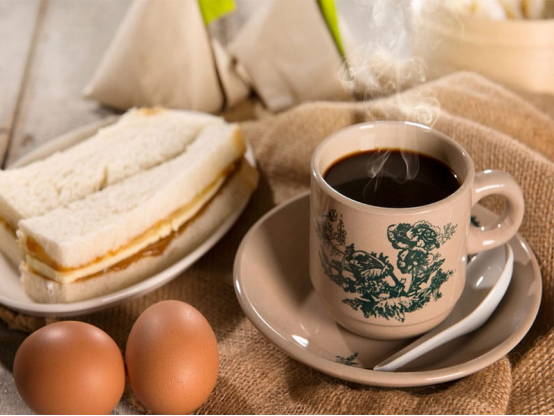
If you walk into a traditional Malaysian teahouse, don’t be silly and say “give me a cup of coffee”. Because the ordering system here is unique and full of mystery. Here are the most common “codes”:
Kopi : Coffee + condensed milk (the most classic version)
Kopi O : coffee + sugar, no milk (O stands for black coffee)
Kopi C : Coffee + Evaporated Milk + Sugar
Cham : Coffee + milk tea mixture
Does it feel a bit like unlocking a code? If you are unsure, you can watch how the locals order, or just ask the store owner, they will usually be happy to help you get started.
This system has more derivative combinations, such as “less sweet” and “more milk”, and even local dialect abbreviations, which are enough to confuse first-time tourists, but once you master it, you will find that this is an interesting interactive experience and the first step to deepen your understanding of local culture.
Historical origins: from colonial heritage to daily necessity
The rise of coffee culture in Malaysia is closely related to the colonial history of the 19th century. At that time, British colonists brought Western dining habits, and a large number of Chinese and Indian workers also integrated their hometown food traditions into it, forming Malaysia’s unique multi-faceted dining culture.
The emergence of traditional teahouses (Kopitiam) is the product of this cultural fusion. It not only sells coffee, but also “toast with kaya sauce (Kaya Toast)” and half-boiled eggs, becoming the core space for people to have breakfast and socialize. To this day, Kopitiam is still an important part of Malaysian urban life. Compared with Western coffee shops, it is more casual, more down-to-earth, and more social.
Coffee in Malaysia: More than a drink, it’s a status symbol
In Malaysia, coffee is not just a tool for refreshing, it carries the meaning of cultural identity.
For the older generation of Chinese, coffee in teahouses is a childhood memory and a public space in the community; for the younger generation, it represents the recognition of tradition and the pursuit of “slow life”. Even though modern chain brands such as Starbucks have opened hundreds of stores in Malaysia, Kopitiam still stands firm. This “localized confrontation” itself is a manifestation of cultural confidence.
International influence: Can Nanyang coffee go global?
As the global coffee market becomes more segmented, consumers are increasingly demanding “unique flavors”. In recent years, Malaysian coffee brands have begun to enter the international market, with Nanyang coffee gradually appearing on the dining maps of New York, London, and Sydney, and even becoming a “hidden menu” in specialty coffee shops.
At the same time, Malaysian instant coffee has also accumulated a group of loyal fans in East Asia and North America, especially “white coffee”, which has become the first choice for late-night coffee lovers with its milder taste and lower caffeine content.
Price advantage and cultural charm: the ultimate value for money at $1
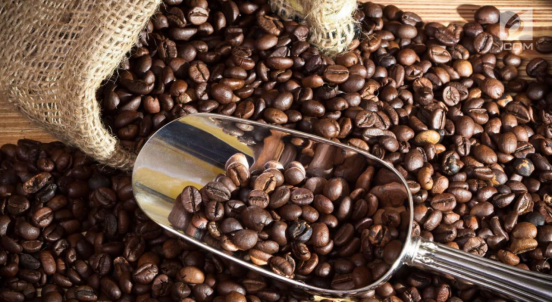
In Malaysia, coffee not only has a unique flavor, but also has an attractive price. A cup of Kopi usually costs around $1 , even in a metropolis like Kuala Lumpur. This is almost a “price culture shock” for American consumers who are used to Starbucks’ $5 latte.
Behind this “cheap and delicious” is a highly localized supply chain, a simple store model, and the positioning of coffee as a daily necessity.
The coffee scene in modern Malaysia: tradition and trends coexist
Today, Malaysia’s coffee culture is undergoing new changes. On the one hand, traditional Kopitiams are still full of vitality, attracting customers who are nostalgic and seeking authentic experiences; on the other hand, emerging boutique coffee shops are emerging, combining local coffee beans with international roasting concepts, launching single-origin hand-brewed, cold-brewed and creative blended drinks, and even using elements such as durian and coconut milk for localized innovation.
This scene of “tradition and modernity dancing together” constitutes the unique charm of Malaysia’s coffee culture.
Conclusion: Why should you put Malaysia on your coffee travel bucket list?
If you are a coffee lover, Malaysia is definitely worth a visit. Not only can you taste coffee with a flavor that is completely different from that in Europe and America, but it can also take you on a cultural journey that spans colonial history, local innovation, and global integration.
On your next trip, you might want to add “coffee shop exploration” to your itinerary, try a cup of authentic Kopi, learn a few ordering codes, and feel the warmth and story of coffee in this land.
Which one do you want to try the most? Kopi, Kopi O, or Yuanyang Cham? Feel free to share your coffee story in the comments section!