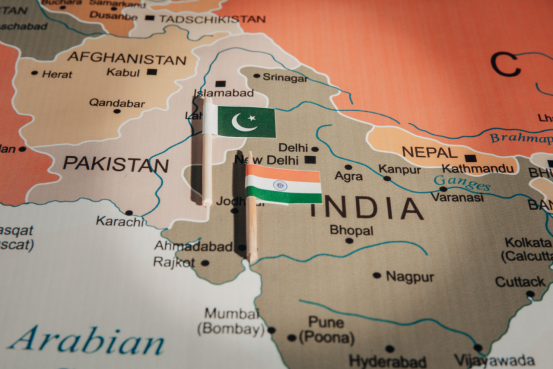
India’s Complex Realities: Conflict, Cruelty, Corruption, and Contamination
The Complex Logic Behind the India-Pakistan Conflict: From Terrorist Attacks to Strategic Misjudgments
The relationship between India and Pakistan is one of the world’s most protracted and volatile geopolitical disputes, characterized by deep historical animosities, territorial claims, and persistent security challenges. At its core, the conflict is rooted in the partition of British India in 1947, which created two independent nations based on religious lines, but left unresolved issues, most notably the status of Jammu and Kashmir. This unresolved territorial dispute has been the primary flashpoint for numerous wars, skirmishes, and proxy conflicts over the decades. The narrative of the conflict is further complicated by the presence of nuclear weapons on both sides, adding a terrifying dimension to any escalation. The strategic misjudgments and miscalculations by both nations have repeatedly pushed the region to the brink of a wider conflagration, often exacerbated by terrorist attacks that serve to inflame public sentiment and political rhetoric.
Terrorist attacks have become a particularly potent and destructive element of the India-Pakistan dynamic. These acts of violence, often attributed to state-sponsored or state-tolerated groups, serve multiple purposes: to destabilize the adversary, to gain strategic advantage, to provoke a reaction that can be used for domestic political gain, or simply to sow chaos. The Mumbai attacks of 2008, the Uri attack in 2016, and the Pulwama attack in 2019 are stark examples of how such incidents can trigger severe diplomatic crises and military standoffs. Each attack leads to a cycle of accusation, retaliation, and heightened tensions, making de-escalation incredibly difficult. The strategic implications of these attacks are profound, often forcing governments to adopt more hawkish stances, thereby limiting diplomatic options and increasing the likelihood of unintended escalation.
Beyond the immediate security concerns, the conflict is also deeply intertwined with domestic politics in both countries. Nationalist sentiments are often leveraged by political leaders to rally support, making compromise a politically costly endeavor. The military establishments in both nations also play a significant role, often benefiting from the perpetual state of tension. The economic consequences are also substantial, with vast resources diverted to defense spending rather than development, hindering progress and perpetuating poverty. Understanding the intricate interplay of historical grievances, territorial disputes, the role of non-state actors, strategic miscalculations, and domestic political imperatives is crucial to grasping the enduring complexity of the India-Pakistan conflict.
Historical Roots of the Conflict
The genesis of the India-Pakistan conflict lies in the tumultuous partition of British India in 1947. The arbitrary drawing of borders by Sir Cyril Radcliffe, with little regard for ethnic or geographic realities, left millions displaced and fueled communal violence. The princely state of Jammu and Kashmir, with its Muslim majority but Hindu ruler, became a critical point of contention. Its accession to India, amidst an invasion by Pashtun tribesmen supported by Pakistan, remains a deeply contested issue. This initial dispute laid the foundation for subsequent wars in 1947-48, 1965, and 1971, as well as numerous smaller conflicts and border skirmishes.
The Role of Terrorism and Proxy Warfare
Terrorism has been a persistent and devastating tool employed in the India-Pakistan conflict. Groups operating from Pakistani soil, often with alleged support from elements within the Pakistani state, have carried out numerous attacks on Indian soil. These attacks aim to destabilize India, disrupt its economic development, and create a narrative of perpetual insecurity. The Indian response has often been a mix of diplomatic pressure, economic sanctions, and, at times, limited military actions. The challenge for India has been to respond effectively without escalating the conflict to a point where it could involve nuclear weapons.
Strategic Misjudgments and Escalation Risks
The history of the conflict is replete with instances of strategic misjudgments. The Indian intervention in East Pakistan in 1971, leading to the creation of Bangladesh, was a decisive strategic victory, but it also deepened Pakistani animosity. Conversely, Pakistan’s Kargil incursion in 1999 was a strategic miscalculation that backfired severely, leading to international condemnation and a strengthened Indian military posture. The constant threat of nuclear escalation, coupled with the volatile nature of the region, means that even minor incidents can have catastrophic consequences. Both nations have engaged in brinkmanship, testing the resolve of the other and the international community.
The Kashmir Dispute: An Unresolved Core Issue
The disputed territory of Jammu and Kashmir remains the most significant and intractable element of the India-Pakistan conflict. India administers approximately 45% of the region, Pakistan controls about 35% (Azad Kashmir and Gilgit-Baltistan), and China holds the remaining 20%. India views the entire region as an integral part of its territory, while Pakistan advocates for the right to self-determination for the Kashmiri people, often citing UN resolutions. The human rights situation in Indian-administered Kashmir, the ongoing insurgency, and the heavy military presence are constant sources of tension and international concern.

The Dark Side of India: Shocking Facts from Animal Abuse to Sexual Violence
Beyond its geopolitical struggles and economic aspirations, India grapples with deeply entrenched societal issues that cast a dark shadow over its progress. The prevalence of animal abuse and sexual violence represents a critical failure of governance, law enforcement, and societal values. These are not isolated incidents but systemic problems that reflect a broader disregard for vulnerability, a lack of adequate legal protection, and insufficient enforcement of existing laws. The sheer scale and depravity of these crimes highlight a disturbing undercurrent of cruelty and exploitation that continues to plague the nation, demanding urgent attention and comprehensive reform.
Animal abuse in India is rampant and often goes unpunished, encompassing a wide spectrum of cruelty from neglect and abandonment to deliberate torture and mutilation. Stray animals, particularly dogs and cows, are frequently subjected to brutal treatment. Cases of animals being beaten, poisoned, burned, or subjected to horrific experimentation are alarmingly common. This cruelty is often fueled by a lack of empathy, ignorance, and a perception that animals are mere property rather than sentient beings. The absence of stringent animal welfare laws and effective enforcement mechanisms further exacerbates the problem, creating a climate of impunity for perpetrators. While some animal welfare organizations work tirelessly to rescue and rehabilitate abused animals, their efforts are often overwhelmed by the magnitude of the issue.
Sexual violence against women and girls in India is a pervasive and deeply disturbing reality. Despite legislative efforts and increased public awareness following high-profile cases like the Nirbhaya gang rape in 2012, the rates of sexual assault, rape, and harassment remain alarmingly high. The societal stigma surrounding sexual violence often prevents victims from reporting crimes, and the justice system frequently fails them, with low conviction rates and protracted legal battles. Factors contributing to this crisis include patriarchal attitudes, a culture of victim-blaming, inadequate policing, and a lack of safe public spaces. The vulnerability of women and girls is further heightened in certain marginalized communities and in situations of conflict or displacement.
The intersectionality of these issues is also critical. Vulnerable populations, including women, children, and marginalized communities, are often disproportionately affected by both animal abuse and sexual violence. The normalization of violence against animals can, for some, desensitize them to violence against humans. Furthermore, the lack of robust legal frameworks and consistent enforcement across the board creates an environment where various forms of exploitation can flourish. Addressing these dark realities requires a multi-pronged approach that includes strengthening legal protections, improving law enforcement and judicial processes, promoting education and awareness to foster empathy and respect for all living beings, and challenging deeply ingrained societal norms that perpetuate violence and discrimination.
The Scourge of Animal Cruelty
India’s vast animal population, both domestic and stray, faces immense suffering. This includes physical abuse, neglect, abandonment, and exploitation in various forms, such as for entertainment or labor without adequate care. The lack of widespread understanding of animal sentience and welfare rights contributes significantly to this ongoing crisis.
Statistics and Societal Impact of Sexual Violence
Official statistics paint a grim picture of the prevalence of rape, sexual assault, and harassment. The societal impact is devastating, leading to trauma, fear, and social exclusion for survivors, while undermining the fundamental rights and dignity of women and girls.
Legal Frameworks and Enforcement Challenges
While India has laws like the Prevention of Cruelty to Animals Act and stringent sections under the Indian Penal Code for sexual offenses, their enforcement is often weak due to corruption, lack of resources, and societal indifference. This leads to a high rate of impunity for perpetrators.
Cultural Norms and the Path to Change
Deep-seated patriarchal norms, victim-blaming, and a general lack of empathy contribute to the persistence of these issues. Shifting these cultural attitudes through education and public campaigns is a long-term but essential step towards creating a safer and more compassionate society.

In India, the Dead Are Worth More Than the Living: Inside the Shocking Trade in Human Bones
In a grim illustration of the desperation and moral decay that can permeate society, India is plagued by a disturbing trade in human bones, a practice that tragically underscores the notion that for some, the dead hold a greater monetary value than the living. This illicit market thrives on the desperation of the impoverished and the greed of criminals, exploiting the deceased and their families in the most abhorrent ways. The trade primarily involves the exhumation of bodies from graveyards, the illicit sale of body parts, and the clandestine processing of human remains for various purposes. This practice not only constitutes a profound violation of human dignity and religious sentiments but also poses significant public health risks and highlights systemic failures in governance and law enforcement.
The primary drivers of this trade are the demand for human bones for traditional medicine, anatomical studies, and, alarmingly, for the manufacturing of counterfeit products. In some traditional medicine practices, ground human bones are believed to possess medicinal properties, leading to a demand that fuels this illegal enterprise. Furthermore, medical institutions and students, particularly in regions with limited resources, may inadvertently or deliberately procure human skeletal remains from unregulated sources. The most shocking aspect, however, is the reported use of human bones in the production of certain consumer goods, such as bone china or decorative items, a practice that reduces human remains to mere commodities.
The process of obtaining these bones is often brutal and disrespectful. Graveyards, particularly those in rural or neglected areas, are targeted by organized gangs. They exhume bodies, often at night, and extract bones, leaving the rest of the remains to be reburied haphazardly or left exposed. In some instances, families who cannot afford proper burial rites are coerced into selling the bodies of their loved ones, or the bodies are simply stolen from public spaces. The bones are then cleaned, processed, and smuggled to various buyers, often with little oversight. This dehumanizing practice preys on the most vulnerable, both the deceased and their impoverished living relatives who are forced to make unspeakable choices.
The public health implications are severe. The handling of human remains without proper sterilization and safety protocols can lead to the spread of infectious diseases. Moreover, the ethical and moral implications are profound. It challenges the very concept of respect for the deceased and the sanctity of human life. Addressing this trade requires a multi-faceted approach: strengthening security at burial sites, increasing surveillance and law enforcement efforts to dismantle trafficking networks, enacting and rigorously enforcing stricter penalties for those involved, and raising public awareness about the illegality and immorality of this practice. Furthermore, ensuring that legitimate institutions have access to ethically sourced anatomical materials is crucial to reducing the demand from dubious channels.
The Mechanics of the Bone Trade
This section details the methods used to obtain human bones, including exhumation from graveyards, theft of bodies, and exploitation of impoverished families unable to afford proper burials.
Demand Drivers: Medicine, Education, and Counterfeiting
The demand for human bones stems from various sources: traditional medicine, the need for anatomical specimens in medical education, and the disturbing use in the production of counterfeit goods and industrial materials.
Public Health and Ethical Ramifications
The trade poses significant public health risks due to the potential transmission of diseases. Ethically, it represents a profound disrespect for human dignity and the deceased.
Combating the Illicit Trade
Strategies to combat this trade involve enhanced security at burial sites, robust law enforcement, stricter legal penalties, and public awareness campaigns to deter participation and demand.

The Truth About Ganges Pollution: The Environmental Crisis and Cultural Contradictions Behind India’s Holy River
The Ganges River, revered as the sacred Mother Ganga in Hinduism, is one of the most important cultural and spiritual lifelines of India. However, this holy river is simultaneously one of the most polluted rivers in the world, a stark manifestation of the profound environmental crisis and the deep-seated cultural contradictions that plague the nation. The paradox of a sacred river being choked by industrial waste, sewage, and religious offerings highlights a complex interplay of socio-economic factors, religious practices, and governance failures. This environmental degradation not only poses a severe threat to public health and aquatic ecosystems but also challenges the very essence of the spiritual reverence it commands.
The pollution of the Ganges is a multi-faceted problem stemming from a confluence of sources. Industrial effluents, containing toxic chemicals, heavy metals, and other hazardous substances, are discharged directly into the river by numerous factories operating along its banks. Untreated or inadequately treated domestic sewage from densely populated urban centers is another major contributor, introducing pathogens, organic pollutants, and nutrients that deplete the water’s oxygen levels. Agricultural runoff, carrying pesticides and fertilizers, further contaminates the water. Adding to this, religious practices, while central to the river’s sanctity, also contribute to pollution. The immersion of idols, ashes, and offerings, often made of non-biodegradable materials, directly pollutes the water. During festivals, the sheer volume of waste generated and dumped into the river escalates the problem exponentially.
The consequences of this severe pollution are far-reaching. For the millions of people who depend on the Ganges for drinking water, irrigation, and daily use, the health risks are immense. Contaminated water leads to a high incidence of waterborne diseases such as cholera, dysentery, typhoid, and hepatitis. The heavy metals and toxic chemicals also pose long-term health risks, including cancer and developmental problems. Ecologically, the pollution has decimated aquatic life. The river’s biodiversity has drastically reduced, impacting fish populations and the overall health of the ecosystem. The Ganges Dolphin, a national aquatic animal, is particularly threatened. The economic impact is also significant, affecting fisheries and tourism, and incurring substantial costs for water treatment and healthcare.
The challenge of cleaning the Ganges is compounded by cultural contradictions and governance issues. While the river is revered, the actions of many individuals and industries demonstrate a lack of respect for its sanctity and the environment. The government has launched several initiatives, most notably the Namami Gange Programme, aimed at cleaning and rejuvenating the river. However, these efforts have often been hampered by a lack of effective implementation, insufficient funding, political will, and the sheer scale of the problem. The cultural aspect is complex: how to reconcile deeply ingrained religious practices with modern environmental protection needs is a delicate balance. Ultimately, a sustained and holistic approach is required, involving strict enforcement of environmental regulations, investment in wastewater treatment infrastructure, promoting sustainable industrial practices, and fostering a collective sense of responsibility among citizens to protect this vital national asset.
Sources of Ganges Pollution
This section details the primary pollutants entering the Ganges, including industrial discharge, domestic sewage, agricultural runoff, and waste from religious practices.
Health and Ecological Impacts
The severe pollution leads to widespread health problems for human populations and significant damage to the river’s aquatic ecosystems and biodiversity.
Government Initiatives and Their Effectiveness
An overview of various government programs, such as the Namami Gange initiative, their objectives, and the challenges faced in their implementation and success.
Cultural Contradictions and the Way Forward
Exploration of the conflict between religious reverence and environmental neglect, and the strategies needed for sustainable management and restoration of the Ganges.
Frequently Asked Questions (FAQ)
- What is the primary driver of the India-Pakistan conflict?
- The primary driver of the India-Pakistan conflict is the unresolved territorial dispute over the region of Jammu and Kashmir, which originated from the partition of British India in 1947. This dispute has led to multiple wars, skirmishes, and a persistent state of tension, exacerbated by terrorism and strategic miscalculations.
- What are the main forms of societal cruelty prevalent in India as discussed?
- The article highlights two major forms of societal cruelty: animal abuse, which includes neglect, torture, and mutilation of animals, and sexual violence against women and girls, encompassing rape, assault, and harassment, often stemming from patriarchal norms and weak enforcement of laws.
- Why is there a trade in human bones in India, and what are its consequences?
- The trade in human bones is driven by demand for traditional medicine, anatomical studies, and the production of counterfeit goods. The consequences are dire, including the desecration of human remains, significant public health risks due to potential disease transmission, and profound ethical violations.
- What are the main reasons for the pollution of the Ganges River?
- The Ganges River is polluted by a combination of factors including industrial effluents, untreated domestic sewage, agricultural runoff, and waste from religious practices like idol immersion and ash disposal. This pollution poses severe threats to public health and the river’s ecosystem.
- What are the challenges in addressing these complex issues in India?
- Addressing these issues faces challenges such as deep-rooted cultural norms (patriarchy, lack of empathy), weak law enforcement and judicial processes, insufficient resources, corruption, and the sheer scale of the problems. Reconciling traditional practices with modern environmental and ethical standards also presents a significant hurdle.