Global Vegan & Vegetarian Travel Guide: Culinary Hotspots & Plant-Based Adventures
The global culinary landscape has undergone a significant transformation, with vegan and vegetarian options moving from niche to mainstream, especially in prominent travel destinations. For the conscious traveler, the ability to explore diverse cultures through their plant-based offerings is not just a convenience, but a profound way to connect with local traditions and sustainable practices. This comprehensive guide illuminates the top global hotspots where plant-based cuisine flourishes, offering detailed insights into what makes each destination a must-visit for ethical eaters. From bustling night markets to serene organic farms and innovative fine dining, prepare to embark on a truly unforgettable gastronomic adventure that transcends mere sustenance, celebrating flavor, ethics, and cultural immersion.
Global Vegetarian & Vegan Hotspots: A Culinary Journey
The world is brimming with incredible destinations that cater specifically to vegetarian and vegan diets, transforming what was once a challenging aspect of travel into an exciting exploration of diverse flavors and innovative cooking. These hotspots are not merely accommodating; they are pioneering new ways to experience food, integrating plant-based principles into their local culture and culinary scenes. Understanding the unique offerings of each city is crucial for planning a truly enriching and delicious plant-based journey.
Chiang Mai, Thailand: A Serene Vegetarian Paradise
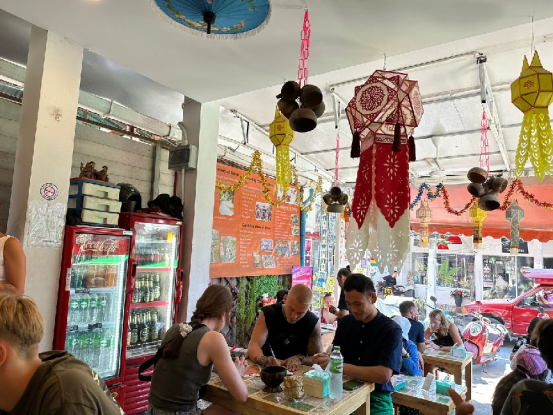
Chiang Mai, nestled in the mountainous northern region of Thailand, has long been revered as a sanctuary for those seeking spiritual enlightenment and holistic wellness. This ethos naturally extends to its vibrant food scene, making it an undisputed vegetarian paradise. The city’s commitment to fresh, locally sourced ingredients is evident in every dish, and its rich Buddhist heritage means plant-based eating is deeply ingrained in its culture.
- Weekend Night Markets and Street Food: The famous Saturday and Sunday Night Walking Streets are a must-visit. Beyond the typical meat skewers, you’ll find an astonishing array of vegan and vegetarian street food. Vendors offer everything from fresh spring rolls, mango sticky rice, and various fruit-based desserts to intricate curries and noodle dishes meticulously prepared without animal products. Many stalls clearly label their vegan options, making navigation easy for visitors.
- Organic Farm-to-Table Restaurants: Chiang Mai boasts numerous restaurants dedicated to the farm-to-table concept, often with their own organic gardens. Establishments like “Pun Pun Vegetarian Restaurant” or “Free Bird Cafe” (which also supports a charity) serve up inventive and traditional Thai dishes using hyper-local, pesticide-free produce. These dining experiences offer not just a meal, but a connection to the land and sustainable agricultural practices.
- Vegetarian Meals at Meditation Centers: For a truly authentic and peaceful experience, many meditation centers and temples, such as Wat Suan Dok or Wat Phra Singh, offer simple yet nourishing vegetarian meals. These meals are often part of a larger mindful eating practice, providing a unique insight into local customs and the role of plant-based food in spiritual life. It’s a chance to savor wholesome food in a tranquil environment, often prepared with traditional recipes that have been passed down through generations.
Ubud, Bali: The Heart of Holistic Vegan Living
Ubud, the cultural heart of Bali, is synonymous with wellness, spirituality, and a deep connection to nature. This picturesque town, surrounded by lush rice paddies and sacred temples, has cultivated a thriving vegan and raw food scene that attracts health enthusiasts from across the globe. The emphasis here is on fresh, vibrant, and often raw ingredients, reflecting Bali’s abundant natural resources and holistic lifestyle.
- Organic Eateries and Health Cafes: Ubud is dotted with an impressive number of organic cafes and health-focused restaurants. Places like “Alchemy” (Bali’s first 100% raw vegan cafe) or “The Seeds of Life” offer creative and delicious plant-based meals, superfood smoothies, and famous coconut bowls packed with fresh tropical fruits, granola, and various toppings. These establishments often source ingredients directly from local farmers, ensuring peak freshness and supporting the local economy.
- Experiential Workshops: Beyond dining, Ubud provides immersive experiences for vegan enthusiasts. Several venues offer vegan chocolate workshops where participants can learn about the bean-to-bar process, create their own raw vegan chocolates, and understand the health benefits of cacao. Additionally, numerous cooking classes focus on traditional Balinese vegan cuisine, teaching visitors how to prepare local favorites using plant-based ingredients.
- Dining Amidst Rice Paddies: Many vegan and vegetarian restaurants in Ubud are strategically located with breathtaking views of the iconic rice paddies, offering a serene backdrop to your meal. This ambiance enhances the dining experience, connecting you with Bali’s natural beauty and tranquil energy. Imagine enjoying a vibrant vegan curry or a fresh smoothie while overlooking emerald green fields – it’s an experience that nourishes both body and soul.

European Vegan Innovations and Traditional Flavors
Europe, a continent renowned for its rich culinary heritage, is rapidly embracing and redefining plant-based dining. From the avant-garde kitchens of Scandinavia to the timeless trattorias of Italy, vegan and vegetarian cuisine is being elevated, offering travelers a fascinating blend of innovation and tradition. These cities showcase how deeply ingrained culinary practices can evolve to meet modern dietary preferences without sacrificing flavor or authenticity.
Copenhagen, Denmark: Pioneering New Nordic Veganism
Copenhagen stands at the forefront of the New Nordic culinary movement, characterized by its emphasis on local, seasonal, and foraged ingredients. This philosophy naturally lends itself to an innovative and sophisticated vegan scene that is both adventurous and deeply rooted in Danish traditions. The city’s plant-based offerings are a testament to culinary creativity and a commitment to sustainability.
- Fermented Delicacies and Foraged Ingredients: New Nordic cuisine places a strong emphasis on fermentation, a technique that enhances flavor and extends the shelf life of ingredients. Vegan restaurants in Copenhagen skillfully incorporate various fermented vegetables, grains, and even fruits into their menus, offering complex and umami-rich dishes. Chefs frequently utilize foraged ingredients from the surrounding forests and coastlines, such as wild herbs, berries, and mushrooms, to create unique and hyper-seasonal plant-based meals.
- Seaweed and Mushroom Feasts: Given Denmark’s coastal geography, seaweed plays a significant role in its culinary identity. Vegan establishments creatively integrate various types of seaweed into their dishes, adding distinct oceanic flavors and textures. Similarly, the abundant forests provide a rich supply of wild mushrooms, which are celebrated in elaborate mushroom feasts, showcasing their versatility and earthy profiles in innovative vegan preparations.
- Sustainable and Ethical Dining: Beyond the ingredients, Copenhagen’s vegan scene is deeply committed to sustainability and ethical practices. Many restaurants focus on minimizing waste, sourcing from local organic farms, and promoting a conscious approach to food consumption. This holistic philosophy ensures that dining in Copenhagen is not just delicious but also aligns with eco-friendly values.
Milan, Italy: Classic Italian Vegan Delights
Milan, a global capital of fashion and design, is also emerging as a sophisticated destination for vegan travelers. While Italy is famous for its cheese and cured meats, Milanese chefs are skillfully adapting traditional Italian recipes to be entirely plant-based, proving that classic flavors can be recreated without animal products. The city offers a delightful fusion of traditional Italian hospitality and modern vegan innovation.
- Vegan Pizza and Pasta Reinvented: Italian cuisine is synonymous with pizza and pasta, and Milan’s vegan restaurants excel at reinventing these beloved staples. You can find authentic Neapolitan-style vegan pizzas with plant-based mozzarella and a myriad of fresh vegetable toppings. Similarly, pasta dishes, including rich and creamy truffle pasta, are expertly prepared using plant-based creams and cheeses, ensuring the depth of flavor associated with Italian cooking remains intact.
- Lactose-Free Indulgences: For those with a sweet tooth, Milan offers an impressive array of lactose-free ice cream (gelato) and other vegan desserts. Many traditional gelaterias now feature a wide selection of fruit-based sorbettos and creamy vegan gelato made with plant milks, ensuring everyone can indulge in this iconic Italian treat. Beyond gelato, vegan pastries, cakes, and tiramisu are readily available, showcasing the ingenuity of local patissiers.
- Sophisticated Vegan Dining Scene: Milan’s vegan offerings extend beyond casual eateries to include sophisticated dining experiences. High-end restaurants are incorporating plant-based tasting menus, reflecting the city’s elegant culinary landscape. These establishments often highlight seasonal produce and innovative cooking techniques, presenting vegan food as a refined and luxurious dining option.

North American Urban Vegan Epicenters
North America, particularly its major urban centers, has seen an explosion in vegan and vegetarian dining options, driven by a growing awareness of health, ethics, and environmental sustainability. These cities are melting pots of culinary innovation, offering everything from casual fast food to upscale gastronomic experiences. The diversity of plant-based cuisine reflects the multicultural fabric of these urban landscapes.
New York City, USA: A Dynamic Vegan Food Landscape
New York City, a global culinary capital, boasts one of the most diverse and dynamic vegan food scenes in the world. From trendy cafes to Michelin-starred restaurants, the city offers an unparalleled variety of plant-based options that cater to every taste and budget. NYC is a testament to how veganism can thrive in a fast-paced, competitive, and culturally rich environment.
- Trendy Vegan Burger Joints and Fast-Casual: NYC is home to numerous popular vegan burger shops that have perfected the art of the plant-based patty, offering juicy, flavorful burgers that rival their meat counterparts. These establishments often feature creative toppings, artisanal buns, and delicious sides. Beyond burgers, the fast-casual vegan scene is booming, with options ranging from healthy bowls and wraps to plant-based comfort food, making quick and delicious vegan meals easily accessible.
- Brunch Culture and Global Flavors: The city’s iconic brunch culture has fully embraced veganism, with many restaurants offering extensive plant-based brunch menus. You can find everything from vegan pancakes and waffles to tofu scrambles and plant-based Benedicts. Furthermore, New York’s incredible diversity is reflected in its globally flavored vegan restaurants, where you can savor authentic vegan interpretations of Ethiopian, Indian, Mexican, Japanese, and countless other cuisines, often with a unique NYC twist.
- Fine Dining and Innovative Plant-Based Cuisine: For a more elevated experience, New York City also features several high-end vegan restaurants pushing the boundaries of plant-based gastronomy. These establishments offer sophisticated tasting menus, intricate presentations, and innovative techniques, demonstrating that vegan food can be as luxurious and refined as any other cuisine. They often focus on seasonal ingredients and unique flavor combinations, providing a memorable dining experience.

Planning Your Vegan/Vegetarian Culinary Adventure
Embarking on a vegan or vegetarian culinary adventure requires a bit of planning to ensure a seamless and enjoyable experience. While many destinations are becoming increasingly accommodating, a proactive approach can greatly enhance your trip. From research to communication, these strategies will help you navigate the global plant-based landscape with confidence and ease, allowing you to fully immerse yourself in the local flavors and culture.
Researching Local Options
Before you even pack your bags, thorough research is your best friend. Utilize a variety of resources to identify vegan and vegetarian-friendly establishments in your chosen destination. This proactive step can save you time and ensure you don’t miss out on hidden gems.
- Dedicated Apps and Websites: Platforms like HappyCow are indispensable tools for finding plant-based restaurants, cafes, and even grocery stores worldwide. These apps often include user reviews, photos, and up-to-date information on opening hours and menus.
- Local Vegan/Vegetarian Communities: Engage with online groups or forums dedicated to veganism in your destination city. Locals can provide invaluable recommendations for authentic eateries, pop-up events, and less-known spots.
- Blogs and Travel Guides: Many travel bloggers specialize in vegan travel and offer detailed guides and personal recommendations for various cities. Search for “vegan [city name] guide” to find comprehensive resources.
Navigating Language Barriers and Dietary Needs
Communication can sometimes be a hurdle, especially in non-English speaking countries, but with a few simple tools and phrases, you can confidently convey your dietary requirements.
- Translation Apps and Phrasebooks: Keep a translation app handy or carry a small phrasebook with key phrases like “I am vegetarian,” “I am vegan,” “no meat,” “no fish,” “no dairy,” and “no eggs” in the local language.
- Dietary Cards: Consider printing out a “vegan passport” or a dietary card in the local language that clearly explains your dietary restrictions. This can be shown to restaurant staff, minimizing misunderstandings.
- Be Specific: When ordering, don’t be afraid to ask specific questions about ingredients, especially in dishes that might traditionally contain hidden animal products like fish sauce, shrimp paste, or lard.
Embracing Local Ingredients and Experiences
Part of the joy of vegan travel is discovering how different cultures integrate plant-based foods into their traditional cuisine. Embrace this opportunity to try new ingredients and unique culinary practices.
- Visit Local Markets: Explore local markets to discover fresh, seasonal produce, exotic fruits, and unique spices. This is a great way to understand the local food culture and even pick up ingredients for a self-catered meal.
- Try Traditional Dishes: Seek out traditional dishes that are naturally vegan or can be easily adapted. Many cultures have a rich history of plant-based eating, and exploring these dishes offers a genuine taste of the local heritage.
- Cooking Classes: Participate in a local vegan or vegetarian cooking class. This hands-on experience not only teaches you how to prepare authentic dishes but also provides a deeper cultural immersion and understanding of local ingredients and techniques.
By following these planning tips, your vegan or vegetarian culinary journey will be an adventure filled with delicious discoveries, cultural insights, and memorable experiences, proving that ethical eating can be both fulfilling and incredibly exciting.
Frequently Asked Questions (FAQ)
- Q1: What are the best cities for vegan street food?
- Chiang Mai, Thailand, is renowned for its extensive vegan street food options, especially at its weekend night markets. Other cities like New York City also offer diverse and accessible vegan street food from various global cuisines.
- Q2: How can I ensure restaurants understand my vegan dietary needs in non-English speaking countries?
- It’s highly recommended to carry a translation card that clearly states your dietary restrictions in the local language. Using translation apps and learning a few key phrases like “I am vegan” (and specifically “no meat, no fish, no dairy, no eggs”) can also be very helpful.
- Q3: Are there specific apps or websites recommended for finding vegan restaurants abroad?
- HappyCow is the most widely recognized and comprehensive app for finding vegan and vegetarian restaurants, cafes, and stores globally. Other general travel review sites like TripAdvisor or Google Maps also allow filtering for vegan options.
- Q4: What kind of unique vegan culinary experiences can I find in these destinations?
- In Ubud, Bali, you can participate in vegan chocolate workshops or cooking classes. Copenhagen offers unique New Nordic vegan cuisine with fermented dishes and foraged ingredients. Milan provides opportunities to savor traditional Italian dishes like truffle pasta and lactose-free gelato, expertly veganized.
- Q5: Is it possible to find high-end or fine dining vegan options in these cities?
- Yes, absolutely. Cities like Milan, Copenhagen, and particularly New York City boast sophisticated vegan restaurants that offer exquisite fine dining experiences, often featuring innovative plant-based tasting menus and creative culinary techniques.