Ultimate Guide to Kuching: Borneo Conservation & Cultural Exploration
Discovering Kuching: The Gateway to Sarawak’s Wilderness
Nestled on the banks of the Sarawak River, Kuching is a city where modernity gracefully intersects with ancient rainforests. As the capital of the Malaysian state of Sarawak on the island of Borneo, Kuching serves as the ultimate staging ground for eco-tourists, wildlife enthusiasts, and cultural explorers. Unlike heavily commercialized tourist hubs, Kuching has meticulously preserved its soul, offering an authentic glimpse into a world where conservation and heritage dictate the rhythm of daily life.
The Historical Context of the Cat City
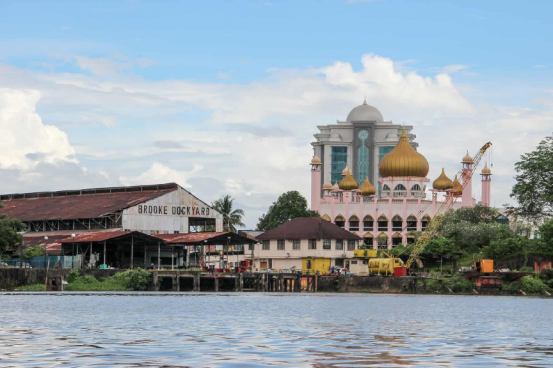
Kuching translates to “cat” in Malay, earning it the affectionate moniker of the “Cat City.” While the true origin of the name remains a subject of historical debate—ranging from the abundance of a local fruit called “mata kuching” to a miscommunication between James Brooke and local guides—the city has fully embraced its feline identity. Beyond the quirky cat statues dotting the roundabouts, the city boasts a profound colonial history shaped by the White Rajahs, a British dynasty that ruled Sarawak for over a century. This unique historical backdrop provides the foundational context for the architectural marvels lining the Kuching Waterfront today.

Wildlife Conservation: Meeting the Orangutans of Borneo
Borneo is one of only two places on Earth where endangered orangutans exist in the wild. Kuching is at the global forefront of primate conservation, offering visitors the rare opportunity to witness these majestic “people of the forest” in their natural habitat. The underlying principle of these sanctuaries is rehabilitation and release, ensuring that tourism directly funds the protection of natural habitats against the encroaching threats of deforestation and palm oil plantations.
Semenggoh Nature Reserve vs. Bako National Park
To maximize your wildlife experience, it is crucial to understand the distinct ecological offerings of Kuching’s primary reserves. Here is a technical breakdown of what to expect:
| Feature | Semenggoh Nature Reserve | Bako National Park |
|---|---|---|
| Primary Wildlife Focus | Semi-wild Orangutans | Proboscis Monkeys, Macaques, Hornbills |
| Conservation Goal | Rehabilitation and forest reintroduction | Preservation of diverse coastal ecosystems |
| Accessibility & Terrain | Easy walking paths, accessible feeding platforms | Rugged jungle trails, accessible only by boat |
| Optimal Visit Time | Feeding times (9:00 AM & 3:00 PM) | Early morning or late afternoon for active wildlife |

Cultural Immersion: Indigenous Heritage and Colonial History
The true heartbeat of Sarawak lies in its diverse indigenous population, comprising over 40 sub-ethnic groups, including the Iban, Bidayuh, and Orang Ulu. A trip to Kuching is incomplete without engaging with this rich cultural tapestry. The Sarawak Cultural Village, often described as a “living museum,” offers an immersive, educational deep-dive into the traditional lifestyles, architecture, and crafts of these communities.
Understanding Sarawak’s Indigenous Terminology
To deepen your cultural appreciation, familiarize yourself with these essential local concepts:
- Longhouse: The traditional communal dwelling of the Dayak people, built on stilts and designed to house entire extended communities under one roof, fostering deep social cohesion.
- Tuak: A traditional Dayak rice wine, brewed through the fermentation of glutinous rice and indigenous yeast. It is a staple of hospitality and harvest festivals (Gawai).
- Pua Kumbu: A sacred, multicolored woven textile created by Iban women. The intricate patterns are traditionally inspired by dreams and spiritual visions.

Culinary Adventures: Tasting Sarawak’s Unique Flavors
Kuching’s culinary landscape is a reflection of its multicultural heritage, designated as a UNESCO Creative City of Gastronomy. The food here is distinct from Peninsular Malaysia, heavily influenced by indigenous ingredients foraged from the rainforest and centuries of Chinese and Malay trade.
Pro Tips for Food Lovers in Kuching
Navigating the local food scene requires a strategic approach. Here is expert advice for your culinary expedition:
- Seek out Sarawak Laksa: Unlike its fiery, coconut-heavy counterparts, Sarawak Laksa features a complex sambal belacan base mixed with tamarind and lemongrass. Anthony Bourdain famously dubbed it the “Breakfast of the Gods.”
- Try Kolo Mee: A beloved local staple consisting of springy egg noodles tossed in a savory shallot and pork oil dressing, typically topped with minced meat and char siew.
- Explore the Jungle Produce: Visit the Kubah Ria weekend market to discover exotic ingredients like Midin (a crunchy wild jungle fern) and Terung Dayak (a sour yellow eggplant used in traditional broths).
Essential Travel Guide and Expert Advice
Executing a successful expedition to Borneo requires meticulous planning. The equatorial climate is unforgiving, and the logistics of navigating between national parks and cultural sites demand foresight. Sustainable tourism is the golden rule here; the ecosystems are fragile, and local customs demand deep respect.
Strategic Planning for Your Borneo Expedition
Follow this checklist to ensure a seamless and responsible journey:
- Weather Preparedness: The rainforest is characterized by high humidity and sudden, torrential downpours. Always pack a lightweight, breathable raincoat, dry bags for electronics, and high-traction trekking shoes.
- Respectful Etiquette: When visiting indigenous villages or longhouses, always wait to be invited inside. Dress modestly, and accept food or drink offerings with your right hand as a sign of respect.
- Hydration and Health: The tropical heat can cause rapid dehydration. Carry a reusable water bottle and ensure you have adequate mosquito repellent containing DEET to protect against tropical vectors.
Frequently Asked Questions (FAQ)
- What is the best time of year to visit Kuching?
- The optimal time to visit is during the dry season, which generally runs from April to October. This period offers the best conditions for jungle trekking, wildlife spotting, and visiting coastal national parks like Bako without the disruption of heavy monsoon rains.
- Is Kuching safe for solo travelers?
- Yes, Kuching is widely considered one of the safest cities in Malaysia. The locals are exceptionally welcoming and helpful. However, standard travel precautions apply, especially when venturing into remote jungle areas where hiring a licensed local guide is highly recommended.
- Are orangutan sightings guaranteed at Semenggoh Nature Reserve?
- No, sightings are never 100% guaranteed. The orangutans are semi-wild and roam freely in the forest. They are most likely to visit the feeding platforms during the fruiting off-season. During the fruiting season (typically November to February), they find abundant food in the jungle and rarely visit the platforms.
- How many days are needed to fully experience Kuching?
- A minimum of 4 to 5 days is recommended. This allows sufficient time to dedicate full days to Bako National Park and Semenggoh, a day for the Sarawak Cultural Village, and ample time to explore the city’s historical sites, waterfront, and culinary scene.
- Do I need a visa to visit Sarawak?
- Sarawak maintains its own immigration controls separate from Peninsular Malaysia. While most nationalities receive a visa on arrival for Malaysia, you will pass through a specific Sarawak immigration checkpoint upon landing in Kuching. Ensure your passport has at least six months of validity remaining.