The Ultimate Guide to Japan: Tourism, Culture, and Social Dynamics
Why Japan Remains the Undisputed Top Travel Destination in Asia
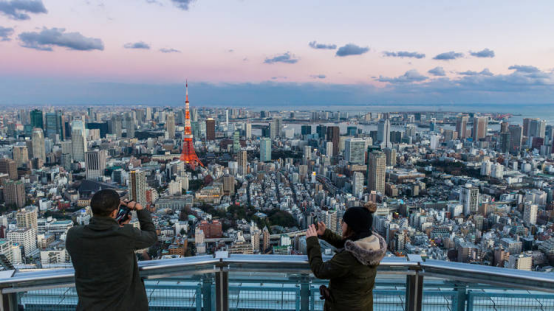
Japan has consistently secured its position as the most sought-after travel destination in Asia. This popularity is not merely a result of aesthetic appeal; it is a complex synthesis of logistical efficiency, cultural depth, and a unique ability to preserve history while embracing futuristic innovation. Travelers are drawn to the country’s ability to offer a seamless experience, whether navigating the bustling neon streets of Tokyo or the meditative silence of a Kyoto temple.
The Pillars of Tourism Success
- Public Infrastructure: The Shinkansen (bullet train) network provides unparalleled connectivity, making long-distance travel across the archipelago fast, safe, and incredibly punctual.
- Safety and Order: Japan maintains one of the lowest crime rates globally, ensuring that solo travelers and families alike feel secure at all hours.
- Gastronomic Excellence: From Michelin-starred kaiseki to accessible street food, the culinary landscape is treated with a level of precision and respect found nowhere else.

Decoding Japanese Social Status and Cultural Characteristics
To truly understand Japan, one must look beyond the surface level of tourism. The Japanese social fabric is deeply influenced by historical hierarchies and a collective consciousness that prioritizes harmony (Wa). This societal structure dictates everything from business etiquette to the way locals interact with visitors.
The Nuances of Social Interaction
Japanese culture is often characterized by the concept of Honne (true feelings) and Tatemae (public facade). Understanding this distinction is vital for any visitor seeking to engage respectfully with the local population. It is not an act of dishonesty, but a social tool used to maintain group cohesion and avoid conflict.
| Cultural Concept | Core Meaning | Impact on Tourism |
|---|---|---|
| Omotenashi | Anticipatory hospitality | Exemplary customer service in hotels and shops. |
| Wa | Social harmony | Quiet, respectful behavior in public spaces. |
| Mono no aware | Pathos of things | A deep appreciation for the transient beauty of nature. |

Bridging the Gap: Tradition Meets Modernity
The most compelling aspect of the Japanese experience is the juxtaposition of eras. In districts like Asakusa or Gion, visitors can witness traditional tea ceremonies and geisha culture, while just a few miles away, Shibuya Crossing showcases the pinnacle of urban technological advancement. This duality is not accidental; it is a deliberate cultural preservation strategy that allows Japan to remain relevant in the 21st century.
Preservation of Heritage
The Japanese government and local communities invest heavily in the restoration of historic sites. This is not just for the benefit of tourists, but as a central part of the Japanese identity. By integrating these historic sites into modern daily life rather than isolating them as “museum pieces,” Japan maintains a living history.

Advanced Strategies for Deep Immersion Travel
For travelers who wish to experience the “real” Japan, going beyond the Golden Route (Tokyo-Kyoto-Osaka) is essential. Engaging in rural tourism or visiting secondary cities allows for a more intimate look at the societal structures that define modern Japan.
Operational Tips for Travelers
- Learn Basic Phrases: While English is prevalent, knowing basic Japanese greetings shows respect and opens doors to more genuine interactions.
- Utilize Local Transport: Beyond the Shinkansen, local bus systems and regional trains connect visitors to hidden gems where local traditions remain untouched by mass tourism.
- Respect Local Customs: Always remove your shoes when entering traditional accommodations or private homes, and be mindful of noise levels in public spaces.
Frequently Asked Questions (FAQ)
- Q1: Is Japan expensive for the average traveler?
- While Japan has a reputation for high costs, it is surprisingly affordable for those who utilize local convenience stores (konbini) for high-quality meals and take advantage of rail passes for transportation.
- Q2: What is the best time of year to visit Japan?
- Spring (cherry blossom season) and Autumn (foliage season) are the most popular. However, Winter offers a unique, serene experience in the mountains, and Summer provides vibrant festivals.
- Q3: How important is it to speak Japanese?
- It is not strictly necessary for tourism, but learning key phrases like “Sumimasen” (Excuse me/Thank you) is highly valued by locals and enhances your travel experience.
- Q4: What is the concept of Omotenashi?
- Omotenashi is the Japanese philosophy of hospitality. It goes beyond customer service; it involves anticipating a guest’s needs before they even express them, ensuring a seamless and welcoming experience.