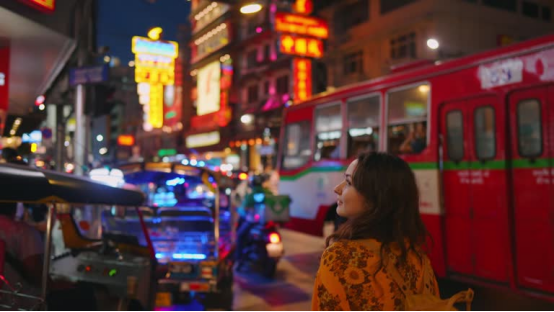
The Comprehensive Thailand Travel Handbook: Social Exploration, Family Dynamics, and Critical Safety Warnings
Thailand remains one of the world’s most versatile travel destinations, offering everything from high-octane social adventures for solo backpackers to serene, luxury experiences for families. However, the modern traveler faces a landscape that is as complex as it is beautiful. To truly master a trip to the Land of Smiles, one must balance the desire for social connection and cost-saving measures with a rigorous approach to personal safety and logistical planning. This guide synthesizes expert insights into three critical pillars of the Thai experience: the burgeoning culture of traveling with strangers, the delicate art of multigenerational family travel, and the essential warnings regarding regional job scams that every young traveler must heed.
The Art of Social Travel: Exploring Thailand with Strangers
The concept of “traveling with strangers” has evolved from a niche backpacker habit into a sophisticated sharing economy. In Thailand, where transport costs for private vans or long-distance taxis can be high for a single person, finding a “travel partner” or “stranger friend” is not just about socializing—it is a strategic financial decision. By pooling resources, travelers can access higher-tier experiences, such as private island charters in Phuket or luxury villa stays in Samui, which would be prohibitively expensive alone.
The Benefits of Shared Wisdom and Cost-Splitting
When you travel with a group of like-minded strangers, you aren’t just splitting the bill; you are aggregating knowledge. Each participant brings a unique set of skills—perhaps one is a photography enthusiast, another is fluent in basic Thai, and another is a master of finding hidden street food gems. This collective intelligence often leads to a more enriched itinerary than any solo traveler could devise. Furthermore, the psychological benefit of shared experiences cannot be understated; witnessing a sunset over the Andaman Sea is often more meaningful when discussed and celebrated with others.
Safety Protocols for Solo Travelers Joining Groups
While the rewards are high, social travel requires a strict safety framework. Always verify the identity of potential travel partners through social media or dedicated travel apps before meeting in person. It is recommended to have an initial “vibe check” meeting in a public, well-lit area like a popular café in Bangkok’s Sukhumvit district. Never hand over large sums of money for shared bookings until you are certain of the group’s legitimacy. Maintaining a level of healthy skepticism ensures that your social experiment remains a positive highlight of your journey.

Navigating the Dark Side: Avoiding Southeast Asian Job Scams
As much as Thailand is a paradise, its proximity to certain border regions has made it a transit point for more nefarious activities. A growing concern for young travelers and digital nomads is the proliferation of “high-paying summer jobs” that turn out to be sophisticated human trafficking or cyber-scam operations. These “opportunities” often promise lucrative salaries for simple data entry or customer service roles, lure victims to Southeast Asia, and then transport them across borders into specialized scam compounds.
Identifying the Red Flags of Recruitment Scams
Understanding the anatomy of a scam is the first step in prevention. Legitimate international companies rarely offer to pay for your international flights and high-end accommodation for entry-level positions without a rigorous, multi-stage interview process. If a job offer appears on social media platforms like Telegram or Facebook with vague descriptions and an emphasis on “no experience needed” and “immediate departure,” it is likely a trap. The “Pig Butchering” scam and forced labor in border zones like Sihanoukville or the Myanmar-Thai border are real threats that require absolute vigilance.
The Importance of Legal Work Permits
In Thailand, working without a proper “Work Permit” and a “Non-B” visa is illegal. Any employer who suggests you can work on a tourist visa or a visa-exempt entry is asking you to break the law. This lack of legal standing leaves you incredibly vulnerable; if the employer withholds your passport or refuses to pay you, you have no recourse with the local authorities without risking deportation or arrest yourself. Always ensure that any employment offer includes a clear, legal path to residency and work authorization.

Multigenerational Magic: Traveling to Thailand with Your Parents
Traveling with elderly parents requires a complete shift in mindset from solo or peer-group travel. The “best way” to experience Thailand with parents is to prioritize comfort, accessibility, and a slower pace. While a younger traveler might be happy taking a public ferry to an island, a parent may find the heat and the physical exertion of boarding a boat from a beach difficult. The key is to transition from “budget exploration” to “curated comfort.”
Strategic Itinerary Planning for Seniors
When planning for parents, the itinerary should focus on high-value, low-stress activities. Instead of the chaotic crowds of the Grand Palace at midday, consider a private evening boat tour along the Chao Phraya River. Accessibility is paramount. Choose hotels with elevators, walk-in showers, and proximity to major attractions to minimize walking distances. In cities like Chiang Mai, prioritize private car rentals over Tuk-Tuks to provide a climate-controlled environment that protects older travelers from heat exhaustion.
Health and Wellness Logistics
Thailand’s tropical climate can be taxing on the elderly. It is essential to schedule “down days” where no major activities are planned, allowing parents to rest by the pool or enjoy a traditional Thai massage. Ensure you have mapped out the locations of international-standard hospitals, particularly in Bangkok (such as Bumrungrad or Samitivej), and confirm that your parents’ travel insurance covers pre-existing conditions in a foreign country. A well-prepared medical kit with familiar medications is also a non-negotiable requirement.

Integrating Safety and Wisdom into Your Thai Adventure
Whether you are navigating the social dynamics of a group trip or the logistical hurdles of a family vacation, the underlying thread of a successful Thai journey is the integration of local wisdom and modern safety tools. Thailand is a country that rewards those who respect its customs and remain aware of their surroundings. From understanding the “Lèse-majesté” laws to knowing how to negotiate fairly in a market, cultural literacy is your best defense against misunderstandings.
Digital Tools for Safe Exploration
Leverage technology to enhance your safety. Use apps like Grab for transparently priced transportation, avoiding the “taxi meter” haggling that can lead to conflict. Use Google Maps to share your real-time location with family members back home, especially if you are embarking on a social trip with new acquaintances. For family trips, apps that help locate clean public restrooms or pharmacies can be lifesavers. By combining these digital tools with the human element of travel, you create a safety net that allows for genuine exploration without unnecessary risk.
Comparative Analysis: Travel Styles in Thailand
| Travel Style | Primary Benefit | Key Risk | Best Region |
|---|---|---|---|
| Social/Stranger | Cost efficiency & networking | Social friction/Scams | Phuket, Koh Phangan |
| Family/Parents | Emotional bonding & comfort | Physical exhaustion | Bangkok, Chiang Mai |
| Solo/Digital Nomad | Total freedom | Isolation/Employment traps | Chiang Mai, Koh Lanta |
Frequently Asked Questions (FAQ)
- Q1: Is it truly safe to travel with strangers met online in Thailand?
- While generally safe and very common in the “sharing economy” era, it requires due diligence. Use reputable platforms, check social media footprints, and always meet in public first. Never share sensitive financial information or your passport details with travel partners.
- Q2: What are the most obvious signs of a Southeast Asian job scam?
- Watch for “too good to be true” salaries, employers who insist on communicating only through encrypted apps like Telegram, and offers that involve crossing borders into Cambodia or Myanmar via unofficial channels. Legitimate Thai companies will require a formal interview and a proper visa process.
- Q3: How do I handle the heat when traveling with elderly parents?
- Plan all outdoor activities for the early morning (7:00 AM – 10:00 AM) or late afternoon (after 4:00 PM). Utilize air-conditioned private transport and ensure they drink electrolyte-enriched water. Malls in Bangkok are excellent “cool-down” spots during the peak heat of the day.
- Q4: Do I need a special visa for a long-term social stay in Thailand?
- If you plan to stay longer than the standard 30- or 60-day tourist entry, look into the Destination Thailand Visa (DTV) or the Long-Term Resident (LTR) visa. Working on a tourist visa is strictly prohibited and can lead to serious legal consequences.
- Q5: What is the best way to transport a family of four or more in Thailand?
- The most efficient and comfortable method is booking a private “VIP Van.” These can be arranged through your hotel or specialized transport apps. They offer door-to-door service, ample luggage space, and air conditioning, which is far superior to taking multiple taxis.