The Anatomy of Power: Crisis and Transformation in Japanese Politics
The Hidden Mechanics of LDP Power Struggles
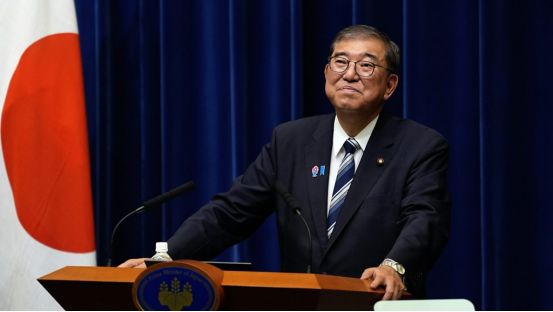
The resignation of Shigeru Ishiba serves as a focal point for understanding the fragility of the Liberal Democratic Party (LDP) hegemony. Beneath the surface of parliamentary decorum lies a complex web of factional maneuvering and institutional inertia that often paralyzes reform efforts. The power dynamics within the LDP are not merely about policy; they are about the preservation of a system that has dominated the post-war era.
The Institutional Constraints on Leadership
Ishiba’s tenure highlights a recurring theme: the difficulty of implementing genuine change within a consensus-driven political machine. Leadership in the LDP is often a poisoned chalice, where the mandate for reform is frequently undermined by the very factions that grant it.
- Factional Veto Power: Decisions are rarely centralized, leading to a “lowest common denominator” approach to governance.
- The Reform Paradox: Politicians who campaign on structural reform often find themselves isolated from the party’s core financial and electoral machinery.

Intellectual Identity and Political Transformation
The career of figures like Shintaro Ishihara illustrates the volatile intersection of intellectual discourse and hard-line politics. Transitioning from a celebrated author to a nationalist politician, Ishihara represents a shift in Japanese political culture where literature and provocative rhetoric serve as precursors to policy shifts.
The Cult of Personality in Japanese Governance
Ishihara’s influence was rooted in his ability to articulate discontent with the status quo, effectively bridging the gap between intellectual elitism and populist nationalism. His legacy continues to inform how political identity is forged in Japan today.
| Phase | Focus | Impact |
|---|---|---|
| Literary | Existentialism & Identity | Cultural resonance |
| Political | Nationalism & Revisionism | Legislative friction |

The Abe Faction and the Black Money Storm
The fiscal scandals surrounding the Abe faction have fundamentally altered the public perception of the LDP. These revelations regarding “black money” and slush fund operations are not isolated incidents but symptoms of a broader systemic dependency on opaque financial practices.
Historical Roots of Systemic Corruption
The roots of these financial irregularities can be traced back to the post-war settlement overseen by General MacArthur. The US-Japan security architecture, while providing stability, inadvertently created a political environment where accountability was secondary to maintaining a pro-US status quo.
- Systemic Opacity: The lack of transparency in campaign financing has allowed internal power brokers to exert influence beyond democratic oversight.
- The MacArthur Legacy: The Cold War-era reliance on specific political factions to ensure stability has historically shielded these groups from rigorous scrutiny.

US-Japan Relations: A Complex Geopolitical Game
Modern Japanese politics cannot be divorced from its strategic partnership with the United States. This relationship, while essential for regional security, creates a dependency that restricts the autonomy of the Japanese executive branch. The tension between domestic aspirations for sovereignty and the requirements of the security alliance remains a primary driver of political instability.
Frequently Asked Questions (FAQ)
- Q1: Why is the LDP so resistant to structural reform?
- The LDP is built on a factional system that prioritizes internal consensus and electoral survival over radical change. Institutional inertia and the reliance on established networks make any attempt at reform a threat to the party’s power structure.
- Q2: What was the significance of Shintaro Ishihara in modern politics?
- Ishihara redefined the role of a politician by leveraging his intellectual and literary background to push nationalist agendas, effectively challenging the post-war pacifist consensus.
- Q3: How did the Abe faction scandal impact public trust?
- The scandal exposed deep-seated corruption and the use of secret slush funds, which validated public concerns about the lack of transparency and accountability within the ruling party.
- Q4: To what extent does the US influence Japanese political outcomes?
- The US-Japan security alliance often dictates the parameters of Japanese foreign and domestic policy, creating a geopolitical “ceiling” that limits the freedom of action for Japanese leaders.