Malaysian primary school after-school “stall culture”: a unique childhood taste memory
Different rhythms of campus life
While in many countries, elementary school classes often continue until 3 p.m. or even later, Malaysian students finish school at noon. This schedule leaves children with ample afternoon time for tutoring, interest classes, or simply sharing games and snacks with friends. Compared to the education systems in the United States or some parts of Europe, this arrangement is significantly more relaxed and has allowed a consumer culture to flourish around schools.
For children, leaving school early means more free time than their peers in other countries. This not only allows them to explore their interests but also boosts the economy in the community and surrounding schools. Restaurants, food stalls, convenience stores, and small retailers all enjoy a steady flow of customers, benefiting both the children and the local micro-economy.
Lively scene at the school gate
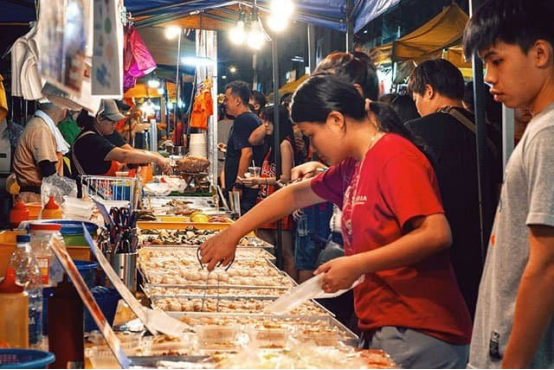
As soon as the school bell rings, the campus becomes bustling with activity. Vendors have already set up their stalls at the school gates. Locals call these stalls “dangkou ,” similar to the familiar “street stalls” or “food stands.” However, in the Malaysian context, they are more than just places to buy and sell food or small toys; they are an integral part of children’s collective childhood memories.
The stalls are typically compact yet functional, each with a distinct product offering: some specialize in snacks, others in small toys, and still others in cards or collectible games. After school, students gather in groups of three or five in front of the stalls, creating a miniature social plaza and a unique off-campus lifestyle.
The diversity and differences of snacks
Halal version of spicy strips
One of the most popular foods at the stall is la tiao (Latiao). This intensely spicy snack has a huge fan base across Asia. However, in Malaysia, almost all food products must be halal certified , and la tiao is no exception. The halal seal on the packaging gives Muslim families peace of mind, demonstrating both the food industry’s respect for religious culture and the coexistence of diverse Malaysian society.
The production process and flavor profile of spicy noodles vary between brands, with some focusing on crispness while others emphasize the depth of the spicy flavor. For students, spicy noodles are not only a taste stimulant but also a reflection of cultural identity, as they symbolize the diversity and inclusiveness of Malaysian food culture.
Turkey noodles and instant noodles
Another common food item is turkey noodles, with its spicy and strong flavor, a favorite among many students. Besides instant noodles, there are also a variety of ready-to-eat snacks and desserts, such as colorful candies, jellies, and chocolate snacks. The brightly colored and stylishly designed packaging of these foods attracts children’s attention and becomes a catalyst for after-school conversation and sharing.
The emergence of instant noodles and fast food not only satisfies children’s hunger quickly but also allows them to experience the joy of shopping at a small convenience store right at the school gate. Children are able to choose snacks based on their own taste preferences, and this autonomy has a positive impact on the development of their independence and decision-making skills.
Fried skewers and snacks
The fried skewers sold at these stalls are typically pre-made, rather than deep-fried on the spot like at some night markets. This saves time, reduces fumes, and reduces the inconvenience of waiting in lines. Children can buy a skewer and eat it on the go, and the prices are relatively affordable. However, at some stalls, small packages of snacks cost around $0.40 , a reasonable price for elementary school students, and even an occasional purchase can bring a sense of satisfaction.
There are many varieties of fried skewers, from traditional chicken skewers to fish balls and tofu skewers. Vendors often provide simple seasoning packets, allowing students to customize their own flavors. This self-mixing experience has become part of the fun of childhood.
local specialty foods
In addition to common snacks, there are also unique Malaysian delicacies, such as fish dishes prepared with pigments, desserts, and coconut sugar products. These snacks are sweet but have a distinct regional flavor. Stalls not only offer local specialties but also create seasonal offerings, such as coconut sugar snacks for Eid al-Fitr and special pastries for Chinese New Year. These cultural elements allow children to be exposed to diverse cultures from an early age, cultivating their understanding and interest in local traditions.
The social and cultural functions of stalls
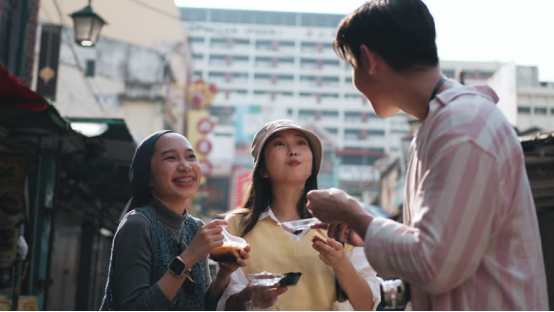
Stalls are not only venues for economic activity but also a reflection of community culture. For children, they serve as after-school social hubs: friends can exchange snacks, share cards, or compare notes on who has the latest toys. This interaction not only brings joy but also fosters the development of social skills and emotional expression.
From a sociological perspective, street vendors are part of the city’s micro-economy and a manifestation of community cohesion. Vendors maintain a tacit understanding with schools, ensuring a safe and sanitary sales environment. This partnership provides children with a safe and comfortable consumption environment. The existence of street vendors also indirectly facilitates the lives of community residents, fostering a three-way interactive ecosystem among schools, families, and the community.
Comparison with other countries
In the United States, children usually buy snacks at convenience stores, supermarkets, or school canteens, while Japan has famous “school shops” or convenience stores that serve students. In contrast, Malaysia’s stall culture has a more street-like feel and is more casual and free.
Stall culture isn’t just a consumer phenomenon; it’s also part of educational culture. Stalls allow children to experience instant gratification, communication and cooperation, and social etiquette, which are relatively rare in school life in the United States or parts of Europe. The free space provided by stalls allows children to quickly develop social behavior patterns and learn how to manage money and make decisions in daily life.
Stall Culture and Psychological Development
Psychological research shows that small rituals and daily pleasures in childhood leave a deep imprint in long-term memory and are closely linked to a sense of well-being. The small ritual of picking up snacks from a stall after school and sharing them with friends is an important channel for children to experience freedom and joy.
Stall culture also fosters children’s independence. Children must make choices within their limited pocket money, and this economic autonomy cultivates their decision-making and value judgment. Furthermore, the diversity of stalls sparks children’s curiosity, allowing them to try different flavors and experience diverse cultures, laying the foundation for their diverse understanding in the future.
The supporting role of the education system
The noon dismissal system in Malaysian primary schools and the tavern culture mutually support each other. Early dismissal provides ample leisure time, and taverns become places where children can fill their time. This system is unique among global education systems: it not only ensures academic development but also prioritizes the development of children’s social and life skills.
Educational scholars believe that a reasonable after-school schedule can reduce student stress and provide space for exploring interests and socializing. The Malaysian model demonstrates that a balance between academic and practical education helps cultivate healthy and happy children.
Economic and cultural extension of the stalls
In addition to meeting the daily needs of children, street vendors also form a micro-economy. Vendors earn profits through low-cost operations, while student spending generates a steady cash flow, boosting the local economy. This micro-economy is closely integrated with the education system and is a crucial social phenomenon in urban life.
Culturally, the stalls retain traditional handmade snack production methods while also incorporating modern packaging and marketing elements. For example, some stalls decorate their stalls with festive themes and offer limited-edition snacks, which not only adds interest but also allows traditional culture to continue in the modern urban environment.
Conclusion and Thoughts
The hawker stall culture of Malaysian primary schools is a product of the intertwined educational system, social environment, regional culture, and economic activities. While the 12 noon school break provides children with free time, hawker stalls offer a space for socializing, entertainment, and culinary experiences.
This culture reflects a society’s understanding of childhood: that it should be free, joyful, and filled with opportunities for exploration and sharing. The existence of stalls allows children to find happiness in simple daily routines, and also provides adult readers with a reflection: those insignificant little rituals often constitute the warmest part of childhood memories.
For educators and parents around the world, Malaysia’s stall culture reminds us that reasonably arranging after-school time, encouraging children’s social interaction, and creating a safe and free space for exploration can effectively promote children’s psychological development and accumulation of happiness.
For ordinary readers, these stalls and snacks are not just delicious entertainment, but also a childhood memory that transcends time and space: an intertwined experience of freedom, joy, sharing and growth.