Japan’s Dazzling Hanabi: The Ultimate Guide to Fireworks Festivals
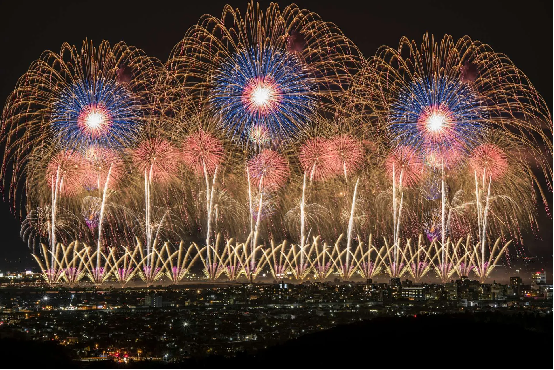
Japan’s summer nights are illuminated by a spectacle unlike any other: the Hanabi Taikai, or fireworks festivals. Far more than mere light shows, these events are deeply woven into the fabric of Japanese culture, representing a cherished tradition of gathering, celebration, and remembrance. From the delicate, spherical bursts known as *shakudama* to the rapid-fire brilliance of *starmine*, Japanese fireworks are renowned globally for their artistic precision, vibrant colors, and sheer scale. This ultimate guide will take you on a journey through the captivating world of Hanabi, providing historical context, essential tips for enjoying these magnificent displays, and insights into the most famous festivals across the archipelago. Prepare to be enchanted by the ephemeral beauty and profound cultural significance of Japan’s summer fireworks feast.
The Enduring Legacy of Hanabi: A Cultural Deep Dive
The tradition of fireworks in Japan dates back centuries, evolving from simple gunpowder displays to the sophisticated art form cherished today. Understanding “the why” behind these spectacular events enriches the experience, connecting onlookers to a rich tapestry of history and cultural values.
Historical Roots and Evolution
The earliest recorded fireworks displays in Japan trace back to the Edo period (1603-1868). While gunpowder was introduced by the Portuguese in the 16th century, it was during the 18th century that fireworks began to gain widespread popularity. The first major Hanabi Taikai, often cited as the origin of modern fireworks festivals, was held in 1733 along the Sumida River. This event, known as Ryogoku Kawabiraki, was orchestrated by the eighth Tokugawa Shogun, Tokugawa Yoshimune, not merely for entertainment but as a memorial for those who perished in a devastating famine and plague the previous year, and to ward off evil spirits. This solemn beginning imbued fireworks with a dual nature: a celebration of life and a tribute to the departed. Over time, fireworks became a competitive art among pyrotechnicians and a beloved summer pastime, especially for urban dwellers.
Symbolism and Significance in Japanese Culture
Hanabi holds profound symbolic meaning in Japan. Historically, they were believed to possess the power to drive away evil spirits and purify the air, a notion stemming from their association with fire and light. Today, fireworks are synonymous with summer, evoking feelings of nostalgia, transient beauty (mono no aware), and community spirit. They mark the peak of the summer season, often coinciding with Obon, the Buddhist festival honoring ancestors. The ephemeral nature of fireworks, appearing in a brilliant flash before disappearing into the night, resonates with the Japanese aesthetic of appreciating fleeting beauty and the cycle of life. Attending a Hanabi Taikai is a communal ritual, a chance for families and friends to gather, don traditional yukata, and collectively marvel at the sky.
Unique Characteristics of Japanese Fireworks
Japanese fireworks are globally recognized for their superior quality, precision, and unique designs. Unlike many Western fireworks that scatter randomly, Japanese fireworks, particularly the spherical *shakudama*, explode with perfect symmetry. Pyrotechnicians meticulously arrange gunpowder and stars within spherical shells to create intricate patterns like rings, hearts, smiley faces, and even characters. The color palette is also distinct, often featuring softer, more nuanced pastels alongside vibrant primary colors.
- Shakudama (尺玉): The quintessential Japanese firework, a perfectly spherical shell measuring one *shaku* (approx. 30 cm) or more in diameter. These are known for their precise, symmetrical bursts.
- Starmine (スターマイン): A rapid succession of multiple fireworks launched in quick bursts, often choreographed to music, creating a dazzling, continuous spectacle.
- Kamuro (冠菊): A type of chrysanthemum firework where the trails of sparks hang in the air for an extended period, resembling weeping willow branches.
- Niagara (ナイアガラ): A curtain of sparks that cascades downwards, often strung across a river or bridge, mimicking a waterfall.

Planning Your Hanabi Experience: From Tickets to Etiquette
To truly savor the magic of a Japanese fireworks festival, strategic planning is essential. These events draw massive crowds, and a little preparation can make all the difference between a stressful scramble and a serene, awe-inspiring experience.
Navigating Ticket Systems and Viewing Spots
Many popular festivals offer paid seating areas, which provide guaranteed excellent views and a more comfortable experience.
- Paid Seating: Tickets often go on sale months in advance and sell out rapidly, especially for major festivals like Sumidagawa or Nagaoka. Check official festival websites or major ticketing platforms (like Ticket Pia or Eplus) as early as possible. Prices can range from a few thousand yen to over ten thousand yen, depending on the location and amenities.
- Free Viewing Spots: While free spots exist, they are extremely competitive. People often stake out their territory hours, or even a full day, in advance by laying down tarps or blankets. Be prepared for crowds, obstructed views, and limited personal space. Research less-known spots on higher ground or further along the riverbanks for potentially better views with fewer people.
Essential Preparations: What to Bring and Wear
Your comfort greatly impacts your enjoyment. Here’s a checklist of must-have items:
- Leisure Sheet/Tarp: Essential for staking out your spot, especially in free viewing areas.
- Portable Fan & Wet Wipes: Japanese summers are hot and humid. A fan and refreshing wipes are lifesavers.
- Insect Repellent: Mosquitoes are prevalent, particularly near water.
- Snacks & Drinks: While food stalls (*yatai*) are abundant, bringing your own can save time and money. Hydration is key!
- Trash Bags: Always carry a bag for your rubbish. Japanese festivals pride themselves on cleanliness, and finding public bins can be challenging.
- Portable Charger: For your phone, as you’ll be taking many photos and videos.
- Cash: Many food stalls and smaller vendors only accept cash.
- Yukata (浴衣): Wearing a traditional summer kimono, a yukata, is a popular choice and adds to the festive atmosphere. It’s lightweight and comfortable.
- Comfortable Shoes: You’ll likely be doing a lot of walking and standing.
Understanding Hanabi Etiquette and Customs
Adhering to local customs ensures a pleasant experience for everyone.
- Respect Personal Space: Even in crowded areas, try to be mindful of others.
- No Littering: Take all your trash with you. It’s a point of national pride.
- Don’t Block Views: Avoid holding up large signs or umbrellas during the display.
- Punctuality: Arrive early, especially for free spots. Once the show starts, moving around can be very difficult.
- Transportation: Use public transport, but expect massive crowds on trains and buses before and after the event. Plan your exit route in advance and be prepared for long waits.
- Enjoy the Atmosphere: Engage with the festival spirit, try local street food, and appreciate the collective joy.
Pro Tips for an Unforgettable Festival Day
Leverage these expert insights to maximize your Hanabi experience:
- Scout Ahead: If possible, visit your chosen viewing area a day or two before the festival to understand the layout and potential vantage points.
- Stay Hydrated: Japanese summers are brutal. Drink plenty of water throughout the day.
- Learn Basic Phrases: Knowing “Sumimasen” (excuse me/sorry) and “Arigato” (thank you) can be very helpful in navigating crowds.
- Consider a Hotel Stay: Some hotels offer special Hanabi viewing packages with rooms overlooking the festival, providing a luxurious and hassle-free experience.
- Post-Festival Strategy: Instead of rushing out with the main crowd, consider lingering for 30-60 minutes after the fireworks end. Many food stalls remain open, and the crowds on public transport will thin out.

Top Japanese Fireworks Festivals: A Comparison Guide
While hundreds of fireworks festivals light up the Japanese summer sky, a select few stand out for their scale, history, and unique characteristics. These “Big Three” and other notable events offer diverse experiences for every type of traveler.
Sumidagawa Fireworks Festival (Tokyo)
As the oldest and arguably most famous fireworks festival in Japan, the Sumidagawa Hanabi Taikai holds a special place in the hearts of Tokyoites. Originating in 1733, it takes place annually on the last Saturday of July over the Sumida River, near Asakusa. The festival features two main venues, launching approximately 20,000 fireworks in total. It’s known for its competitive aspect, where rival pyrotechnicians showcase their latest creations. The backdrop of the Tokyo Skytree adds a modern touch to this historic event. Expect immense crowds, making early arrival and pre-booked seating highly advisable.
Nagaoka Grand Fireworks Festival (Niigata)
Held in early August in Nagaoka City, Niigata Prefecture, this festival is often considered one of Japan’s “Big Three” alongside Tsuchiura and Omagari. Nagaoka is renowned for its sheer scale and powerful displays, including the monumental *san shaku dama* (3-foot diameter shells) and the breathtaking “Phoenix” fireworks, a symbol of recovery and hope following the 2004 Chuetsu earthquake. The festival also carries a strong memorial aspect, honoring those who died in World War II air raids. The fireworks are launched from the Shinano River, creating a vast, immersive spectacle.
Omagari National Fireworks Competition (Akita)
The Omagari National Fireworks Competition in Daisen City, Akita Prefecture, held on the fourth Saturday of August, is the pinnacle of pyrotechnic artistry. Unlike other festivals that are primarily displays, Omagari is a serious competition where the nation’s top pyrotechnicians vie for the prestigious Prime Minister’s Award. It features both daytime and nighttime fireworks, with the daytime displays showcasing colored smoke and unique aerial patterns. This festival is a must-see for those interested in the technical and artistic excellence of Japanese fireworks.
Other Notable Regional Festivals
- Tsuchiura National Fireworks Competition (Ibaraki): Another of the “Big Three,” known for its rapid-fire *starmine* displays and innovative designs. Held in autumn, offering a different seasonal experience.
- Lake Biwa Great Fireworks Festival (Shiga): Held over Japan’s largest lake, offering stunning reflections on the water.
- Miyajima Water Fireworks Festival (Hiroshima): Unique for its fireworks launched from the water, with the iconic Itsukushima Shrine’s torii gate as a backdrop. (Note: Currently suspended for shrine renovation, check status).

Beyond the Sparkle: The Economic and Social Impact of Hanabi
While the immediate appeal of Hanabi Taikai lies in their visual splendor, these festivals also play a crucial role in Japan’s local economies and social cohesion. They are not just fleeting moments of beauty but significant annual events with far-reaching effects.
Boosting Local Tourism and Economy
Fireworks festivals are powerful magnets for both domestic and international tourists. They inject considerable revenue into local economies through various channels:
- Accommodation: Hotels, ryokans, and guesthouses in festival areas experience peak occupancy, often requiring bookings months in advance.
- Transportation: Increased use of trains, buses, and taxis benefits transport providers. Special festival routes and increased service frequency are common.
- Food and Beverage: *Yatai* (food stalls) offering traditional festival fare like *takoyaki*, *yakisoba*, and *kakigori* (shaved ice) are a major draw, providing income for local businesses and temporary vendors.
- Retail: Sales of *yukata*, accessories, souvenirs, and convenience store items surge during festival periods.
- Job Creation: Festivals generate temporary employment for event staff, security, cleaners, and local vendors.
For many smaller towns and cities, their annual fireworks festival is the single largest tourist event of the year, vital for local economic sustainability.
Community Building and Tradition Preservation
Hanabi Taikai are profound community events that foster a sense of shared identity and pride.
- Social Gathering: They provide a rare opportunity for entire communities to gather, from young children to the elderly, creating shared memories and strengthening social bonds.
- Cultural Preservation: The festivals keep traditional crafts alive, from the art of pyrotechnics passed down through generations to the wearing of yukata and the enjoyment of traditional festival foods.
- Volunteerism: Many festivals rely heavily on local volunteers for organization, crowd control, and cleanup, reinforcing community spirit.
- Intergenerational Connection: Grandparents recount stories of past festivals, sharing the history and significance with their grandchildren, ensuring the tradition endures.
Future Trends in Fireworks Technology and Sustainability
The world of Hanabi is not static. Pyrotechnicians are continually innovating, exploring new technologies and materials to create even more spectacular and environmentally conscious displays.
- Eco-Friendly Fireworks: Research is ongoing into biodegradable materials for shells and less harmful chemicals for colors, aiming to reduce environmental impact.
- Digital Choreography: Advanced software allows for increasingly precise synchronization of fireworks with music, creating complex, multi-sensory experiences.
- Drone Light Shows: While not traditional fireworks, drone shows are emerging as a complementary or alternative form of aerial spectacle, offering silent and reusable displays.
- Safety Enhancements: Continuous improvements in launch technology and safety protocols ensure that these large-scale events remain secure for both participants and spectators.

Frequently Asked Questions (FAQ)
- When is the best time to visit Japan for fireworks festivals?
- The vast majority of major fireworks festivals in Japan take place during the summer months, primarily from late July to mid-August. Some smaller or regional festivals may occur in spring or autumn, but for the most iconic experiences, focus on July and August.
- Do I need to buy tickets for all fireworks festivals?
- Not all festivals require tickets. Many have free public viewing areas, but these spots fill up extremely early and can be very crowded. For popular festivals, paid seating offers a much more comfortable and guaranteed viewing experience and is highly recommended if you want to avoid the intense crowds and secure a good spot. Always check the official festival website for specific details on ticketing.
- What is the best way to get to a fireworks festival?
- Public transportation (trains and subways) is generally the best way to reach festival venues. However, be prepared for massive crowds before and after the event. Plan your route in advance, allow ample travel time, and consider staying a bit longer after the fireworks to let the initial rush of people disperse. Driving is not recommended due to road closures and lack of parking.
- What should I wear to a Japanese fireworks festival?
- Many Japanese attendees wear a traditional summer kimono called a *yukata*. It’s a comfortable and festive choice. Otherwise, light, breathable clothing is advisable due to the summer heat and humidity. Comfortable shoes are a must, as you’ll likely be doing a lot of walking and standing. Don’t forget bug repellent!
- What are the main etiquette rules for attending a Hanabi Taikai?
- Key etiquette includes arriving early to secure your spot (if in a free area), bringing a sheet or tarp to sit on, taking all your trash with you (no littering!), being mindful not to block others’ views, and being patient with crowds. It’s a communal event, so respect for fellow attendees is paramount.