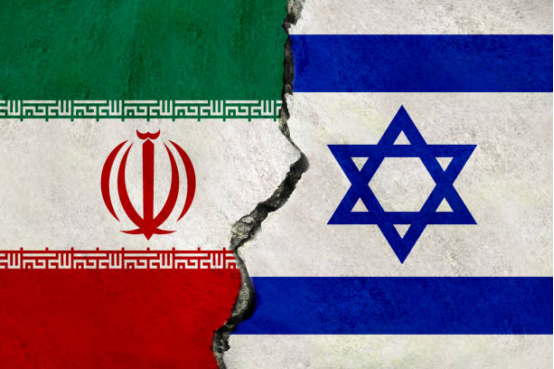
Iran’s Impact on Israel’s Strategic Endurance: A Comprehensive Analysis
The geopolitical landscape of the Middle East is currently defined by a fundamental shift in conflict dynamics. For decades, regional security was measured by the capacity for swift, decisive military victories. However, the contemporary reality is one of “Protracted Warfare”—a strategy heavily influenced by Iran’s regional ambitions and its complex network of non-state actors. This guide explores the multifaceted impact of Iranian strategy on Israel’s strategic endurance, examining the military, economic, and psychological dimensions of a war without a clear end date.
The Doctrine of the Ring of Fire: Iran’s Long-Term Vision
At the heart of Iran’s strategy is the “Ring of Fire” concept—a geographical and military encirclement of Israel using various proxies including Hezbollah in Lebanon, Hamas and Islamic Jihad in Gaza, the Houthis in Yemen, and various militias in Iraq and Syria. This is not merely a military posture but a long-term strategy of attrition designed to bleed resources and exhaust the opponent over years, rather than days.
The Shift from Conventional to Asymmetric Warfare
Historically, Israel’s defense doctrine relied on the “Ben-Gurion Triad”: Deterrence, Warning, and Decisive Victory. Iran’s strategy specifically targets the “Decisive Victory” pillar. By utilizing asymmetric forces that blend into civilian populations and employ guerrilla tactics, Iran ensures that traditional military superiority is harder to translate into a permanent political or security resolution.
- Strategic Depth: Iran uses regional proxies to create depth, ensuring conflict happens far from Iranian borders.
- Multi-Front Coordination: The ability to activate different fronts simultaneously forces the redistribution of defensive assets.
- Technological Parity: The proliferation of low-cost drones and precision missiles has narrowed the gap between state militaries and non-state proxies.

Economic Resilience Under the Pressure of Continuous Mobilization
A protracted war is as much a financial struggle as it is a military one. Strategic endurance is fundamentally tied to a nation’s ability to fund its military operations while maintaining a functioning domestic economy. Iran’s influence forces Israel into a state of “permanent readiness,” which carries a heavy price tag.
The Cost of Reservist Mobilization
Unlike professional standing armies, Israel relies heavily on reservists. When hundreds of thousands of citizens are pulled from the workforce to the front lines, the economy faces a double blow: the high cost of military maintenance and the loss of productivity in high-tech and industrial sectors.
| Economic Factor | Impact of Short Conflict | Impact of Protracted War |
|---|---|---|
| Labor Market | Temporary disruption; quick return. | Severe shortages; loss of SME stability. |
| Foreign Investment | Delayed but usually resilient. | Capital flight; increased risk premiums. |
| Government Deficit | Manageable through reserves. | Requires structural debt or tax hikes. |
| Supply Chains | Minimal impact. | Houthi-led maritime disruptions increase costs. |

Psychological Warfare and the Social Fabric of Endurance
Strategic endurance is not only measured in tanks and GDP but in the collective psyche of the population. Iran and its proxies utilize psychological operations (PSYOPs) to exploit internal political divisions and create a sense of perpetual insecurity.
Exploiting Democratic Vulnerabilities
In a democratic society, public opinion dictates policy. Protracted wars often lead to “war fatigue,” where the initial national unity gives way to political infighting over the objectives and costs of the conflict. Iranian strategy relies on this “vacillation”—the back-and-forth of political will—to weaken the consistency of Israel’s long-term military response.
Expert Advice: Strengthening Social Resilience
To counter attrition-based psychological warfare, experts suggest:
- Transparent communication regarding the duration and necessity of operations.
- Robust support systems for displaced populations and families of reservists.
- Fostering national “purpose” beyond immediate security to prevent political fragmentation.

Tactical Evolution: Comparing Conventional Defense and Proxy Attrition
The military response to Iran’s influence requires a shift from “mowing the grass” (periodic short operations) to a more sustainable, long-term defensive and offensive posture. This includes the integration of AI-driven intelligence and the expansion of multi-layered missile defense systems.
The Interceptor Dilemma
One of the primary challenges in a protracted war is the cost-asymmetry of defense. An Iranian-made drone or a proxy-launched rocket may cost a few thousand dollars, while the interceptor (like Iron Dome or David’s Sling) costs tens of thousands or even millions. Strategic endurance requires finding cheaper ways to neutralize these threats, such as laser-based defense systems (Iron Beam).

Global Alliances and the Geopolitical Buffer
No nation can endure a protracted regional conflict in isolation. Israel’s strategic endurance is intrinsically linked to its relationship with the United States and emerging regional partners under the Abraham Accords. Iran seeks to drive a wedge between Israel and these allies by making the cost of support—both political and economic—too high.
The “vacillation” mentioned in strategic circles often refers to the shifting tides of international support. Maintaining a “Geopolitical Buffer” involves not just military aid but diplomatic legitimacy, which is essential for sustaining long-term operations without facing crippling international sanctions or isolation.

Frequently Asked Questions (FAQ)
-
What is the “Ring of Fire” strategy?
- It is an Iranian strategic concept involving the placement of heavily armed proxy forces (Hezbollah, Hamas, Houthis, etc.) around Israel’s borders to create a multi-front threat that can be activated to exhaust Israeli resources and focus.
-
How does a protracted war affect the Israeli economy?
- It causes labor shortages due to reservist call-ups, increases the national deficit through high defense spending, and can lead to a decrease in foreign direct investment due to perceived long-term instability.
-
What role does “vacillation” play in this conflict?
- Vacillation refers to the internal political and social indecision that can occur during long conflicts. Iran targets this weakness, hoping that internal pressure and war fatigue will force Israel to accept unfavorable strategic terms.
-
Why is the cost of defense a concern in a long-term war?
- There is a significant “cost asymmetry” where inexpensive enemy drones and missiles require very expensive interceptors, potentially leading to the depletion of defensive stockpiles and financial strain over time.
-
Can technology solve the problem of strategic endurance?
- While technology like laser defense and AI intelligence helps, strategic endurance also requires social cohesion, economic flexibility, and strong international diplomatic alliances.