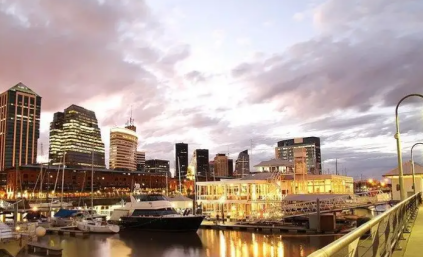
Buenos Aires In-Depth Tour: The Ultimate Travel Guide
The Historical Allure: Why Buenos Aires is the Paris of South America
Buenos Aires is a city that defies simple categorization. Often dubbed the “Paris of South America,” Argentina’s sprawling capital is a mesmerizing collision of European grandeur and Latin American passion. To truly understand Buenos Aires, one must look back to the late 19th and early 20th centuries. During this golden era, Argentina was one of the wealthiest nations on earth, fueled by a booming agricultural export economy.
The city’s elite, flush with newfound wealth, sought to model their capital after the great European metropolises. They imported French and Italian architects, resulting in the construction of sweeping boulevards, opulent palaces, and Belle Époque masterpieces. The iconic Avenida de Mayo and the breathtaking Teatro Colón stand as enduring testaments to this ambition. However, Buenos Aires is not merely a European replica; it is a city with a distinctly “Porteño” soul—a term referring to the “people of the port,” denoting the locals whose diverse immigrant backgrounds birthed a unique, resilient, and deeply artistic culture.

Iconic Neighborhoods: A Deep Dive into the City’s Districts
Buenos Aires is a patchwork of distinct neighborhoods, locally known as “barrios,” each functioning as a micro-city with its own rhythm, aesthetic, and demographic. An in-depth tour requires exploring these contrasting districts.
Recoleta: The Bastion of Aristocratic Elegance
Recoleta is the epitome of the city’s Parisian aspirations. Characterized by French-style townhouses, high-end boutiques, and manicured parks, it exudes old-world wealth. The crown jewel here is the Recoleta Cemetery, a labyrinth of ornate mausoleums where Argentina’s most prominent figures, including Eva Perón (Evita), are laid to rest. The architecture here is a masterclass in Neoclassical and Art Nouveau design.
Palermo: The Trendy, Expansive Playground
As the largest barrio in the city, Palermo is subdivided into distinct zones like Palermo Soho and Palermo Hollywood. This is the heartbeat of contemporary Buenos Aires. Soho is famous for its cobblestone streets, indie fashion boutiques, and vibrant street art, while Hollywood is the epicenter of the city’s culinary and nightlife scene. The Bosques de Palermo (Palermo Woods) offer a lush, green escape reminiscent of Central Park.
San Telmo: The Bohemian and Historical Core
San Telmo is the oldest neighborhood in Buenos Aires, characterized by crumbling colonial mansions, antique shops, and narrow cobblestone streets. Every Sunday, the Plaza Dorrego transforms into a massive open-air antiques market. It is the raw, authentic soul of the city, where impromptu tango performances spill out onto the streets and the echoes of the past are palpable.
La Boca: The Colorful Working-Class Port
Famous for the Caminito, a vibrant street museum of brightly painted corrugated iron houses, La Boca is a visual feast. Originally settled by Italian immigrants (mostly from Genoa), this neighborhood is also the spiritual home of Argentine football, housing the legendary La Bombonera stadium. While touristy, its historical significance as the birthplace of tango makes it unmissable.
| Neighborhood (Barrio) | Core Vibe & Atmosphere | Must-See Landmark | Ideal For |
|---|---|---|---|
| Recoleta | Elegant, historic, aristocratic | Recoleta Cemetery | Architecture lovers, luxury travelers |
| Palermo | Trendy, vibrant, youthful | Plaza Serrano | Foodies, nightlife, boutique shopping |
| San Telmo | Bohemian, rustic, traditional | Plaza Dorrego Sunday Market | Antique hunters, tango enthusiasts |
| La Boca | Colorful, raw, working-class | The Caminito & La Bombonera | Photographers, football fans |

The Cultural Pulse: Tango, Art, and Late-Night Rhythms
You cannot experience Buenos Aires without surrendering to its cultural rhythms. The city operates on a delayed schedule; dinners rarely start before 9:00 PM, and the nightlife stretches well past dawn.
The Soul of Tango
Tango is more than a dance; it is the poetic expression of the Porteño condition—themes of longing, heartbreak, and passion. Originating in the brothels and working-class ports of the late 19th century, it eventually captivated Parisian high society before returning to Argentina as a respected art form. Visitors can experience tango in two ways: polished, spectacular stage shows (ideal for first-timers) or authentic “Milongas.” A Milonga is a traditional dance hall where locals gather to dance socially. Navigating a Milonga requires understanding the “cabeceo,” a subtle nod used to invite a partner to dance without the risk of public rejection.
A City of Books and Theaters
Buenos Aires boasts more bookstores per capita than any other city in the world. The El Ateneo Grand Splendid, a former 1920s theater converted into a bookstore, is a breathtaking sanctuary for bibliophiles. The city’s theater district along Avenida Corrientes rivals Broadway and London’s West End, keeping the cultural scene vibrant and accessible.

Gastronomy Guide: Mastering the Argentine Asado and Cafe Culture
Argentine cuisine is a hearty, meat-centric affair heavily influenced by Italian and Spanish immigration. The culinary landscape of Buenos Aires is a journey of indulgence.
The Ritual of the Asado
The “Asado” (barbecue) is a sacred weekend ritual. It is not just about eating; it is an hours-long social event. When dining at a traditional “Parrilla” (steakhouse), understanding the cuts is essential. “Ojo de Bife” (ribeye) offers incredible marbling and flavor, “Bife de Lomo” (tenderloin) is prized for its tenderness, and “Entraña” (skirt steak) is a local favorite for its rich, beefy taste. These are typically accompanied by chimichurri—a vibrant sauce of parsley, garlic, oregano, and vinegar—and a robust glass of Malbec wine from the Mendoza region.
Historic Cafe Culture
Buenos Aires’ cafe culture is protected by law. The “Bares Notables” are a network of historically significant cafes that have hosted the city’s greatest writers, musicians, and politicians. Café Tortoni, established in 1858, is the most famous, offering a step back in time with its stained glass, marble tables, and waiters in traditional attire. Stop in for a “cortado” (espresso with a dash of milk) and “medialunas” (sweet, croissant-like pastries).

Practical Travel Intelligence: Navigating Currency and Safety
Traveling in Buenos Aires requires a bit of insider knowledge, particularly regarding the economy and urban navigation. Understanding these mechanics will save you money and ensure a smooth trip.
Decoding the “Dólar Blue”
Argentina’s complex economic landscape has given rise to multiple exchange rates. The official exchange rate is heavily regulated, but the “Dólar Blue” (the unofficial, parallel market rate) often offers significantly more Argentine Pesos for your US Dollars or Euros. Tourists can access rates close to the Dólar Blue by bringing crisp, new $100 USD bills to exchange at unofficial exchange houses (“cuevas”) or by using foreign Visa and Mastercard credit cards, which now process transactions at the favorable MEP (Mercado Electrónico de Pagos) rate. Always check the current economic policies before your trip, as they fluctuate rapidly.
Safety and Transportation
While Buenos Aires is generally safe for tourists, petty crime like pickpocketing and phone snatching is common. Always stay aware of your surroundings, avoid using your phone near open bus windows, and do not flash expensive jewelry. For transportation, purchase a SUBE card, which is required to ride the Subte (subway) and city buses. Uber and Cabify are also widely used and offer a safe, reliable way to navigate the city at night.

Pro Tips and Expert Advice for the Ultimate Trip
To elevate your Buenos Aires experience from a standard vacation to a true in-depth exploration, follow these expert recommendations:
- Embrace the Late Schedule: Do not attempt to eat dinner at 7:00 PM. Have a late afternoon “merienda” (tea time) to tide you over, and book dinner reservations for 9:30 PM or later.
- Learn Basic Rioplatense Spanish: The local dialect uses “vos” instead of “tú” and pronounces “ll” and “y” as a “sh” sound. Knowing a few local slang words (Lunfardo), like “Che” (hey/friend), will win you immense favor with the locals.
- Carry Small Bills: Exact change is highly valued in Buenos Aires. Kiosks and taxi drivers rarely have change for large denomination peso notes, so break them whenever you are at a larger supermarket or restaurant.
- Explore Beyond the Center: Take a day trip to the Tigre Delta to navigate the serene waterways, or visit a traditional “Estancia” (ranch) in the Pampas countryside to experience gaucho (cowboy) culture.

Frequently Asked Questions (FAQ)
- Is Buenos Aires safe for tourists?
- Yes, Buenos Aires is generally safe for tourists, especially in neighborhoods like Recoleta, Palermo, and Puerto Madero. However, petty theft, such as phone snatching and pickpocketing, is common. Exercise standard urban caution, keep valuables secure, and avoid poorly lit areas at night, particularly in parts of La Boca and San Telmo.
- What is the best time of year to visit Buenos Aires?
- The best times to visit are during the spring (September to November) and fall (March to May). During these seasons, the weather is mild and pleasant, and the city’s parks are in full bloom or displaying beautiful autumn foliage. Summers (December to February) can be incredibly hot and humid.
- How many days do I need for an in-depth tour of Buenos Aires?
- To truly experience the depth of Buenos Aires without rushing, plan for a minimum of 5 to 7 days. This allows enough time to explore the major neighborhoods, attend a tango show, enjoy leisurely asados, and perhaps take a day trip to Tigre or Colonia del Sacramento in neighboring Uruguay.
- Do I need to know Spanish to get around?
- While you can survive with English in major tourist areas and high-end hotels, English is not as widely spoken as in European capitals. Learning basic Spanish phrases is highly recommended and will significantly enhance your interactions with locals, taxi drivers, and restaurant staff.
- What is the best way to pay for things in Buenos Aires?
- Due to the favorable MEP exchange rate, using foreign Visa or Mastercard credit cards is now highly efficient and safe for tourists. However, it is still crucial to carry some Argentine Pesos in cash for small purchases, taxis, and tipping. If bringing foreign currency to exchange, US Dollars in crisp, new $100 bills are the most universally accepted.