A Journey Through Time: An In-Depth Guide to the World’s Most Iconic Landmarks
There is an intrinsic human desire to connect with the past, to walk in the footsteps of ancestors and witness the enduring legacy of civilizations. Global landmarks are more than just tourist attractions; they are colossal storytellers, physical embodiments of history, art, and cultural evolution. From the sun-scorched stones of ancient Egypt to the soaring steel of modern metropolises, these sites offer a profound journey through time. This guide explores the multifaceted narratives behind some of the world’s most significant cultural and historical destinations, delving into their architecture, symbolism, and the indelible mark they have left on humanity.
Echoes of Pharaohs: The Monumental Grandeur of Luxor Temple
On the east bank of the Nile River lies Luxor, often called the world’s greatest open-air museum. At its heart is the Luxor Temple, a sprawling complex that stands as a testament to the power and devotion of the New Kingdom pharaohs. Unlike other temples dedicated to a single deity, Luxor Temple was primarily dedicated to the rejuvenation of kingship. It was believed that many of Egypt’s pharaohs were crowned here, either in reality or conceptually. The temple’s construction spanned centuries, with significant contributions from pharaohs like Amenhotep III, who built the inner sections, and Ramses II, who later expanded the complex, adding the grand entrance pylon decorated with reliefs of his military victories.
The Avenue of Sphinxes: A Processional Masterpiece
One of the most breathtaking features connecting Luxor Temple to the nearby Karnak Temple is the Avenue of Sphinxes. This sacred road, stretching for nearly three kilometers, was once lined with hundreds of human-headed sphinx statues. For centuries, it was buried under the modern city of Luxor, but extensive restoration work has brought this magnificent processional way back to life. Walking this path, one can almost hear the echoes of ancient festivals, where statues of the gods were carried in grand processions between the two temple complexes, a vital part of the Opet Festival, which celebrated the fertility of the god Amun and the divine nature of the pharaoh.
Architectural Storytelling in Stone
Every wall, pylon, and column in Luxor Temple is a canvas covered in intricate hieroglyphs and bas-reliefs. These carvings are not merely decorative; they are historical documents, religious texts, and propaganda. The entrance pylon, for example, vividly depicts Ramses II’s claimed victory at the Battle of Kadesh. Inside, the colonnades feature towering papyrus-bundle columns that create a forest of stone, designed to inspire awe and reverence. The temple is a living textbook, offering direct insight into the religious beliefs, political power, and daily life of ancient Egyptians.

Timeless European Majesty: Rhine Castles and Gothic Cathedrals
Europe’s historical landscape is richly decorated with architectural marvels that speak of faith, power, and artistic ambition. From the romantic castles dotting the Rhine River to the heaven-reaching spires of its Gothic cathedrals, the continent offers a profound connection to its medieval and Renaissance past. These structures are not silent relics; they are keepers of national identity and centuries of human stories.
A Thousand Years Along the Rhine
A journey along the Rhine River is a voyage through a fairytale landscape. For centuries, this vital waterway was a major trade route, and its strategic importance led to the construction of over 40 castles and fortresses on the hillsides overlooking its banks. Each castle has its own legend, from the treacherous Lorelei rock to the rival “Cat” and “Mouse” castles. These structures, with their fortified walls, towering keeps, and romantic ruins, whisper tales of medieval knights, powerful prince-bishops, and the shifting tides of European power. Strolling through the cobblestone streets of the quaint towns below, like Bacharach or St. Goar, you are immersed in a world that has inspired poets, painters, and composers for generations.
The Architectural Splendor of York Minster
In Northern England, York Minster stands as one of the world’s most magnificent Gothic cathedrals. The sheer scale of the building is breathtaking, but its true genius lies in the details. As the seat of the Archbishop of York, it is the mother church for the northern province of the Church of England. Its construction took over 250 years, resulting in a masterpiece of medieval art and engineering. The Minster is particularly famous for its vast expanses of medieval stained glass, especially the Great East Window, which is the largest single expanse of medieval stained glass in the world, depicting scenes from the Book of Revelation. Feeling the weight of history within its stone walls, from Roman foundations to Viking influences, is an unforgettable experience.

America’s Symbolic Heart: The National Mall and The Statue of Liberty
The United States, a comparatively young nation, has nonetheless created powerful symbols and monuments that articulate its founding ideals of liberty, democracy, and unity. From the political core in Washington D.C. to the welcoming beacon in New York Harbor, these landmarks serve as a constant reminder of the nation’s history and aspirations.
The National Mall: A Tour of Political and Cultural Landmarks
The National Mall in Washington D.C. is more than just a park; it is America’s civic stage. This grand esplanade is flanked by some of the nation’s most important institutions and memorials. At one end stands the U.S. Capitol Building, the seat of legislative power, and at the other, the poignant Lincoln Memorial, honoring the president who preserved the union. In between, the towering Washington Monument pierces the sky. This space has been the backdrop for pivotal moments in American history, from Martin Luther King Jr.’s “I Have a Dream” speech to presidential inaugurations. It is a living monument to American democracy, a place for protest, celebration, and reflection.
The Statue of Liberty: A Lighthouse of Hope
Standing proudly in New York Harbor, the Statue of Liberty is arguably the most recognizable symbol of the United States. A gift from the people of France in 1886, “Liberty Enlightening the World” was designed by Frédéric Auguste Bartholdi, with its internal structure engineered by Gustave Eiffel. For millions of immigrants who sailed past her on their way to Ellis Island, she was the first sign of a new life and the promise of the American Dream. Her torch represents enlightenment, and the tablet in her arm is inscribed with the date of the American Declaration of Independence. She is not just a statue but a powerful emblem of freedom, hope, and international friendship.

The Rhythmic Soul of New Orleans: A Creole Cultural Immersion
Some destinations are defined not just by monuments but by a living, breathing culture that permeates every street corner. New Orleans, Louisiana, is one such place. Its unique identity is a rich gumbo of French, Spanish, African, and Caribbean influences, creating an atmosphere that is utterly distinct. This is a city experienced through all the senses, from the sounds of jazz to the taste of Creole cuisine.
Jazz, Food, and Century-Old Architecture
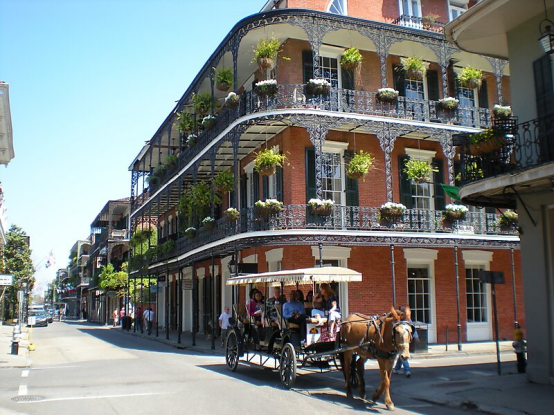
The heart of New Orleans is the French Quarter, with its iconic cast-iron balconies, hidden courtyards, and vibrant street life. The air is thick with the sounds of live music spilling out of clubs on Bourbon Street and the melodies of street performers in Jackson Square. This is the birthplace of jazz, an art form born from a blend of blues, ragtime, and African rhythms. The city’s cultural richness is equally present in its food. Creole cuisine is a sophisticated blend of European culinary traditions with local ingredients and spices, resulting in classic dishes like gumbo, jambalaya, and étouffée. To experience New Orleans is to immerse yourself in a city that celebrates its history and culture with unparalleled passion and joy.

A Tale of Two Worlds: The UAE’s Fusion of Desert and Futurism
In a stunning display of rapid transformation, the United Arab Emirates (UAE) presents a fascinating duality. It is a nation deeply rooted in the ancient traditions of the desert while simultaneously racing towards a hyper-modern future. This contrast between serene desert landscapes and gleaming skyscrapers creates a unique cultural experience that captures the nation’s “dual soul.”
Between Desert Sands and Soaring Skyscrapers
The soul of the UAE was forged in the vast, arid desert. The traditions of the Bedouin people—their hospitality, poetry, and resilience—still form the bedrock of Emirati culture. A journey into the desert offers a glimpse into this past, with camel treks, traditional camps, and starry nights that feel a world away from the urban hustle. Yet, this ancient landscape is juxtaposed with some of the world’s most ambitious and futuristic architecture. Cities like Dubai and Abu Dhabi are home to iconic structures like the Burj Khalifa, the world’s tallest building, and the Sheikh Zayed Grand Mosque, a masterpiece of modern Islamic architecture. This blend of old and new is not a conflict but a dynamic fusion, showcasing a nation that honors its heritage while boldly embracing the future.
Frequently Asked Questions (FAQ)
- Q1: What is the historical significance of Luxor Temple?
- Luxor Temple is historically significant as a center for the rejuvenation of kingship in Ancient Egypt. Unlike temples for a specific god, it was where many pharaohs were crowned. Its construction by pharaohs like Amenhotep III and Ramses II over centuries makes it a layered architectural record of the New Kingdom’s power and religious beliefs, particularly the Opet Festival.
- Q2: What makes the architecture of York Minster so special?
- York Minster is a prime example of Gothic architecture, renowned for its immense scale and artistic detail. Its most special feature is its collection of medieval stained glass, including the Great East Window, the largest of its kind in the world. The cathedral’s 250-year construction period showcases the evolution of Gothic engineering and artistry.
- Q3: How does the National Mall represent American democracy?
- The National Mall serves as a physical representation of American democracy by being a central, open, public space flanked by the seats of power (U.S. Capitol), iconic memorials to foundational leaders (Lincoln Memorial, Washington Monument), and cultural institutions. It has historically been the nation’s foremost stage for civic engagement, including major protests, speeches, and inaugurations.
- Q4: What are the key elements of New Orleans’ Creole culture?
- The key elements of New Orleans’ Creole culture are its music, food, and architecture, all born from a unique blend of French, Spanish, African, and Caribbean influences. This includes being the birthplace of jazz music, the development of sophisticated Creole cuisine with dishes like gumbo, and the distinctive architecture of the French Quarter with its iron balconies and courtyards.
- Q5: What is meant by the “dual soul” of the UAE?
- The “dual soul” of the UAE refers to the dynamic contrast and coexistence of its ancient Bedouin heritage and its ultra-modern, futuristic development. It’s a society that deeply values its desert traditions, hospitality, and history while simultaneously leading the world in ambitious architectural projects, technology, and global commerce, creating a unique fusion of past and future.